Contents:
Introduction to Knee Cartilage
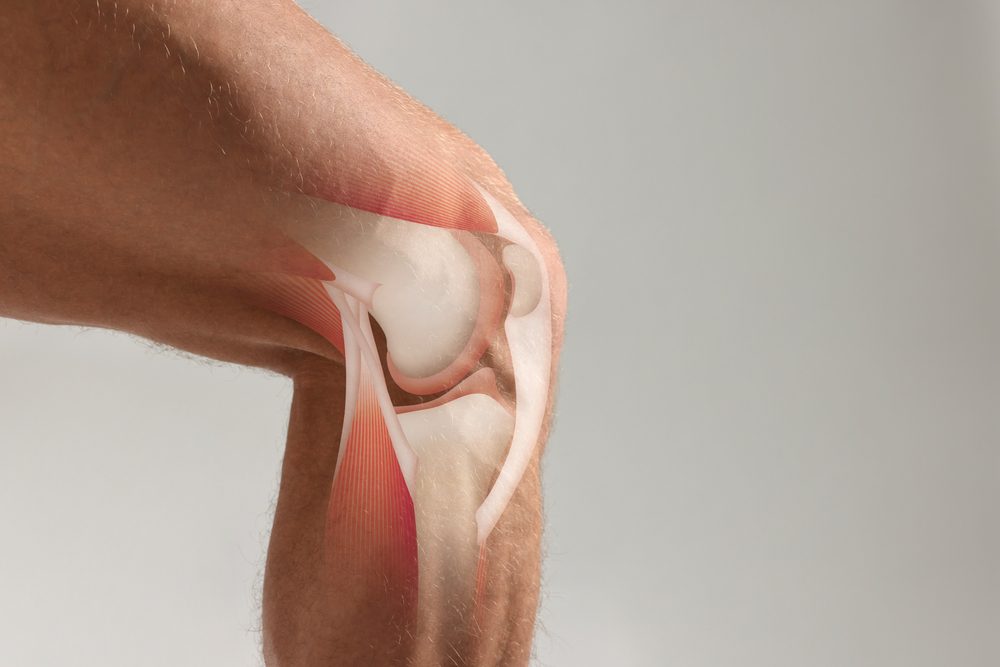
Knee cartilage is an essential part of the knee joint, serving as a shock absorber that cushions the bones and allows for smooth, pain-free movement. Healthy knee cartilage helps reduce friction and supports the knee during physical activities. When knee cartilage damage occurs—whether from injury, overuse, or age-related wear—it can lead to pain and restricted movement. Fortunately, knee cartilage repair is possible through a range of non-surgical treatments. Physical therapy, platelet-rich plasma (PRP) therapy, and stem cell therapy are among the most effective options for restoring cartilage health and reducing pain. Maintaining a healthy weight and participating in low-impact exercises, such as swimming or cycling, can also help reduce pressure on the knee joint and support long-term joint health.
Causes and Symptoms of Cartilage Damage
Cartilage damage in the knee can be caused by a variety of factors, including acute injuries, repetitive strain, and degenerative conditions like osteoarthritis. Common symptoms of knee cartilage injuries include persistent pain, swelling, and a noticeable decrease in joint mobility. In some cases, individuals may experience significant swelling and chronic pain that interferes with daily activities. Diagnosing cartilage damage typically involves a combination of physical examinations and imaging tests, such as MRI scans, to assess the extent of the injury. Early detection is key to a successful recovery, as it allows for timely intervention with non-surgical treatments. Options like hyaluronic acid injections and PRP therapy can help reduce pain and inflammation, while physical therapy is crucial for improving joint function and restoring mobility.
Introduction to Knee Cartilage Repair
Knee cartilage plays a vital role in joint function, providing a smooth surface for movement and acting as a shock absorber. Hyaline cartilage is the type of cartilage that covers the joint surfaces and is essential for smooth, resilient movement.
Damage to this cartilage can lead to knee pain and degenerative conditions such as osteoarthritis. While surgical options are available, many patients seek non-surgical treatments to repair knee cartilage and alleviate pain. For more severe cases when conservative measures are insufficient, advanced treatments such as PRP and stem cell therapy are available.
Understanding these options is crucial for those looking to improve joint health and maintain an active lifestyle, as non-surgical treatments often work by stimulating the body’s natural healing processes to promote recovery.
Non-Surgical Treatments for Knee Cartilage Repair
Several non-surgical treatments are available to promote knee cartilage repair and reduce pain. Physical therapy is a cornerstone of non-surgical management, focusing on strengthening the muscles around the knee to support joint function. Non-surgical treatments are often effective for minor injuries, with recovery sometimes taking just a few weeks. Low-impact exercises, such as cycling and swimming, can help maintain mobility and reduce stress on the knee joint. Maintaining regular physical activity is important for joint health, but should be tailored to avoid excessive stress on the knees. Additionally, weight management is essential to reduce the load on the knees and prevent further cartilage damage. Dietary supplements, such as glucosamine and chondroitin, may support cartilage repair and joint health. Joint injections, including corticosteroid injections, are additional non-surgical options for managing pain and inflammation in the knee.
Hyaluronic Acid Injections for Knee Pain
Hyaluronic acid injections are a popular non-surgical treatment for knee pain resulting from cartilage damage. Hyaluronic acid is a natural substance found in synovial fluid, which lubricates and cushions the knee joint. By injecting hyaluronic acid directly into the knee, this therapy helps reduce pain and inflammation, making it easier to move the joint and perform daily activities. The treatment is generally safe and can provide significant pain relief for up to six months, with the option for repeat injections if needed. Hyaluronic acid injections can be used alongside other treatments, such as physical therapy and anti-inflammatory medications, to further enhance pain relief and joint mobility. This approach offers a practical solution for managing knee pain and improving quality of life without surgery.
Knee Braces and Supports for Joint Stability
Knee braces and supports are valuable tools for enhancing knee joint stability and reducing pain, especially for those with knee osteoarthritis or recovering from knee injuries. These devices help reduce pressure on the knee, support proper alignment, and improve joint mobility, making it easier to stay active. There are several types of knee braces available, including sleeves, wraps, and hinged braces, each designed to address specific needs. Consulting with a healthcare provider or orthopedic surgeon can help you choose the most appropriate brace for your condition. Knee braces can also be used in combination with other non-surgical treatments, such as physical therapy and platelet-rich plasma therapy, to promote cartilage regeneration and support overall joint health.
Regenerative Therapies for Knee Pain
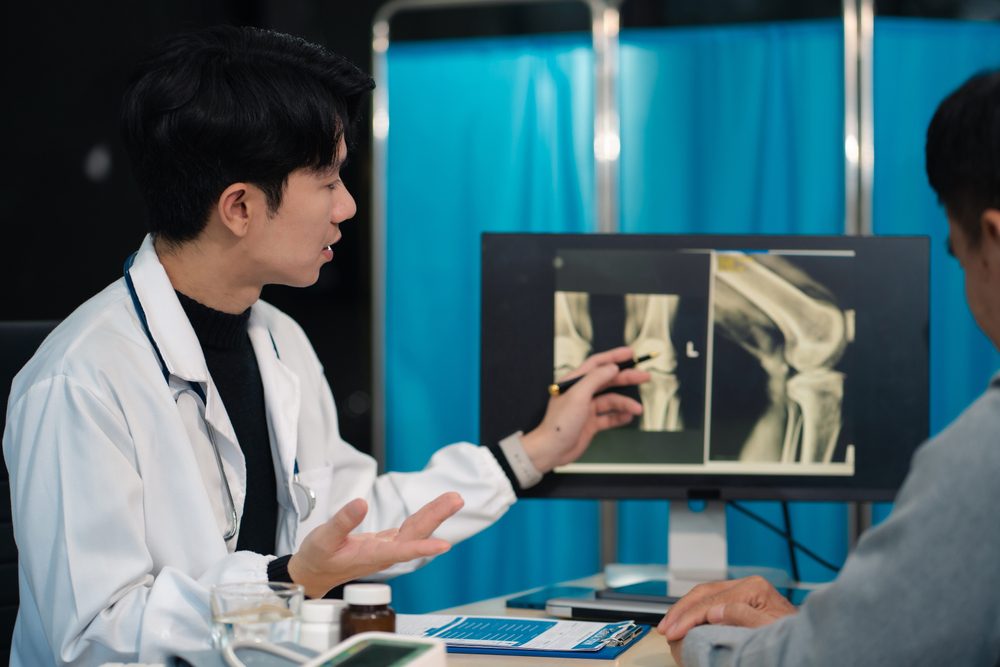
Regenerative therapies, such as platelet-rich plasma (PRP) injections and stem cell therapy, offer promising results in promoting cartilage repair and reducing inflammation. These treatments harness the body’s natural healing processes to stimulate tissue regeneration and improve joint function.
PRP injections involve concentrating platelets from the patient’s blood and injecting them into the affected area to promote healing. The platelets contain growth factors, which help reduce inflammation and promote tissue repair.
Stem cell therapy uses mesenchymal stem cells to repair damaged cartilage and reduce pain. These treatments aim to regenerate cartilage by introducing new cartilage cells into the damaged area.
Autologous chondrocyte implantation is another specialized technique for cartilage repair. This process involves harvesting cartilage cells from the patient, cultivating them in a laboratory for four to six weeks, and then reimplanting the cells into the knee to restore damaged cartilage.
Treatments for Knee Pain
Prolotherapy
In recent years, Prolotherapy has built its reputation within the medical community for its clinically proven ability to treat knee pain.
Published research has proven its pain-relieving, anti-inflammatory, and regenerative benefits.
Prolotherapy involves injecting a natural regenerative solution with tiny needles. This has been shown to stimulate the production of collagen cells, the small cells needed to help with knee pain.
As prolotherapy is helping to treat the root cause of knee pain, it is deemed to be a permanent fix, preventing the symptoms from returning.

Disclaimer: The information provided in this section is for educational purposes only and is not a substitute for professional medical advice, diagnosis, or treatment. Prolotherapy may not be suitable for everyone, and outcomes can vary. Always seek the guidance of a qualified healthcare professional regarding your specific medical condition or treatment options. Never disregard professional medical advice or delay seeking it because of information you have read here.
Lifestyle Adaptations for Managing Knee Pain
Adopting healthy lifestyle habits can make a significant difference in managing knee pain and supporting cartilage health. Maintaining a healthy weight helps reduce pressure on the knee joint, while engaging in low-impact exercises like swimming, cycling, or walking can improve joint mobility and function without causing further damage. Incorporating anti-inflammatory foods—such as fatty fish, leafy greens, and turmeric—into your diet can help reduce inflammation and relieve pain. It’s also important to avoid high-impact activities that may worsen cartilage damage and to take regular breaks to rest and stretch during physical activities. Working with a healthcare provider or physical therapist can help you develop a personalized plan to manage knee pain, reduce inflammation, and promote long-term joint health. By combining these lifestyle adaptations with non-surgical treatments, you can achieve significant pain relief and improve your overall quality of life.
Case Studies
Several studies have demonstrated the effectiveness of non-surgical treatments in managing knee pain and promoting cartilage repair. A study published in the Journal of Orthopedic Research showed significant improvements in knee function and pain reduction in patients undergoing PRP therapy. Another study highlighted the benefits of stem cell therapy in enhancing cartilage health and reducing inflammation.
FAQs
Can knee cartilage repair itself without surgery?
While knee cartilage has limited natural regenerative capacity, non-surgical treatments can promote repair and improve joint function.
What are the best non-surgical treatments for knee pain?
Treatments such as physical therapy, weight management, and regenerative therapies like PRP and stem cell therapy are effective in managing knee pain.
Is prolotherapy effective for knee pain?
Yes, prolotherapy is considered effective for knee pain, offering pain relief and promoting tissue regeneration.
Contact ProHealth Clinic Today for Your FREE 15-Minute Discovery Call
Don’t let knee pain control your life any longer. Join the thousands of patients who have found lasting relief through prolotherapy at ProHealth Clinic.
Get in Touch
Phone: +441234380345
Email: info@prohealthclinic.co.uk
Our Clinic Locations
London: 104 Harley Street, Marylebone, W1G 7JD
Manchester: The Hadley Clinic, 64 Bridge Street, M3 3BN
Bedford: The Village Medical Centre, Kingswood Way, MK40 4GH
All clinics offer the same award-winning prolotherapy treatment with convenient appointment times, including evenings and weekends.
Author Bio
Having performed over 10,000 procedures, Mr Eaton is one of the UK’s leading practitioners in the field of treating knee pain, with patients travelling to see him from across the UK, Europe, and the Middle East.
With over 12 years of clinical experience, Oliver is dedicated to helping patients understand their symptoms associated with knee pain and providing effective treatment options to alleviate them. He qualified in Prolozone Therapy and Prolotherapy in America with the American Academy of Ozonotherapy.
He continued on to complete further qualifications at the Royal Society of Medicine, Charing Cross Hospital in London, Keele University’s Anatomy & Surgical Training Centre, and the medical department of Heidelberg University in Germany.
Over the years he has had the privilege of treating many elite-level athletes, including both Olympic and Commonwealth medallists.
Mr Eaton’s expertise has been featured in many national news and media publications, including The Telegraph, The Daily Mail, The Daily Express, Women’s Health Magazine, and The Scotsman.
References
- Smith, J. et al. (2020). “Advancements in Non-Surgical Knee Cartilage Repair.” Journal of Orthopedic Research.
- Johnson, L. (2019). “Prolotherapy: A Comprehensive Review.” International Journal of Pain Management.
Disclaimer: This article is for informational purposes only and does not substitute for professional medical advice. Always consult your healthcare provider before making treatment decisions.