Author: Mr Oliver Eaton BSc (Hons), PG.Cert – Orthopaedic Specialist
Reviewed by: Mr William Sharples BSc (Hons) – Pain Management Expert
Last Updated: September 2025
In this article, you will find out everything you need to know about neck pain and the most effective ways to treat it, including an advanced treatment called Prolotherapy.

If you’re dealing with neck pain, you want solutions, not fluff. Our no-nonsense guide delves into neck pain treatment that works, providing actionable advice for both quick relief and long-term management. Whether you’re experiencing minor discomfort or chronic pain, read on for strategies to reclaim your comfort.
Table of Contents
- Key Takeaways
- Understanding Neck Pain
- First-Line Neck Pain Relief Strategies
- Advanced Treatments for Persistent Neck Pain
- Alternative Approaches to Easing Neck Tension
- Exercises to Prevent Neck Pain Recurrence
- When to Consult a Medical Professional
- Lifestyle Adjustments for Long-Term Neck Health
- Summary
- Frequently Asked Questions
Key Takeaways
- Neck pain can be caused by muscle strain, nerve compression, poor posture, age, and repetitive habits.
- Initial relief may include over-the-counter painkillers, heat/cold therapy, while persistent pain may need physical therapy, injections, or surgery.
- Preventive measures include neck exercises, ergonomic adjustments, stress management, and professional guidance when necessary.
Understanding Neck Pain
Neck pain is a frequent issue that can arise from multiple factors:
- Muscle strain (most common cause)
- Nerve compression
- Daily activities causing stress on the cervical spine
- Lifestyle habits
- Aging
- Repetitive strain
Anatomy of Discomfort
The neck contains muscles, nerves, vertebrae, and discs. Poor posture, stress, or injuries can lead to stiffness and discomfort. Conditions like spondylosis, herniated discs, or crepitus disrupt the harmony of the cervical spine.
Recognizing Symptoms
Neck pain may present as:
- Stiffness or limited range of motion
- Sharp or persistent pain
- Tingling or numbness in arms
- Head reluctance to turn
Severe or persistent symptoms may indicate underlying conditions requiring professional care.
First-Line Neck Pain Relief Strategies
Over-the-Counter Painkillers
NSAIDs (ibuprofen, naproxen) and acetaminophen can reduce inflammation and discomfort in the early stages of neck pain. Use them as short-term solutions, not long-term remedies.
Heat and Cold Therapy
– Heat: Relaxes tight muscles and improves blood flow.
– Cold: Reduces swelling and inflammation.
Alternate both methods for maximum relief.
Home Therapies
- Rest: Allow neck muscles to recover.
- Ice: Apply ice packs to reduce inflammation.
- Immobilization: Use a neck collar if advised by a doctor.
- Massage: Gently massage neck muscles to release tension.
- Posture Correction: Maintain proper ergonomics at work and home.
Advanced Treatments for Persistent Neck Pain
Physical Therapy
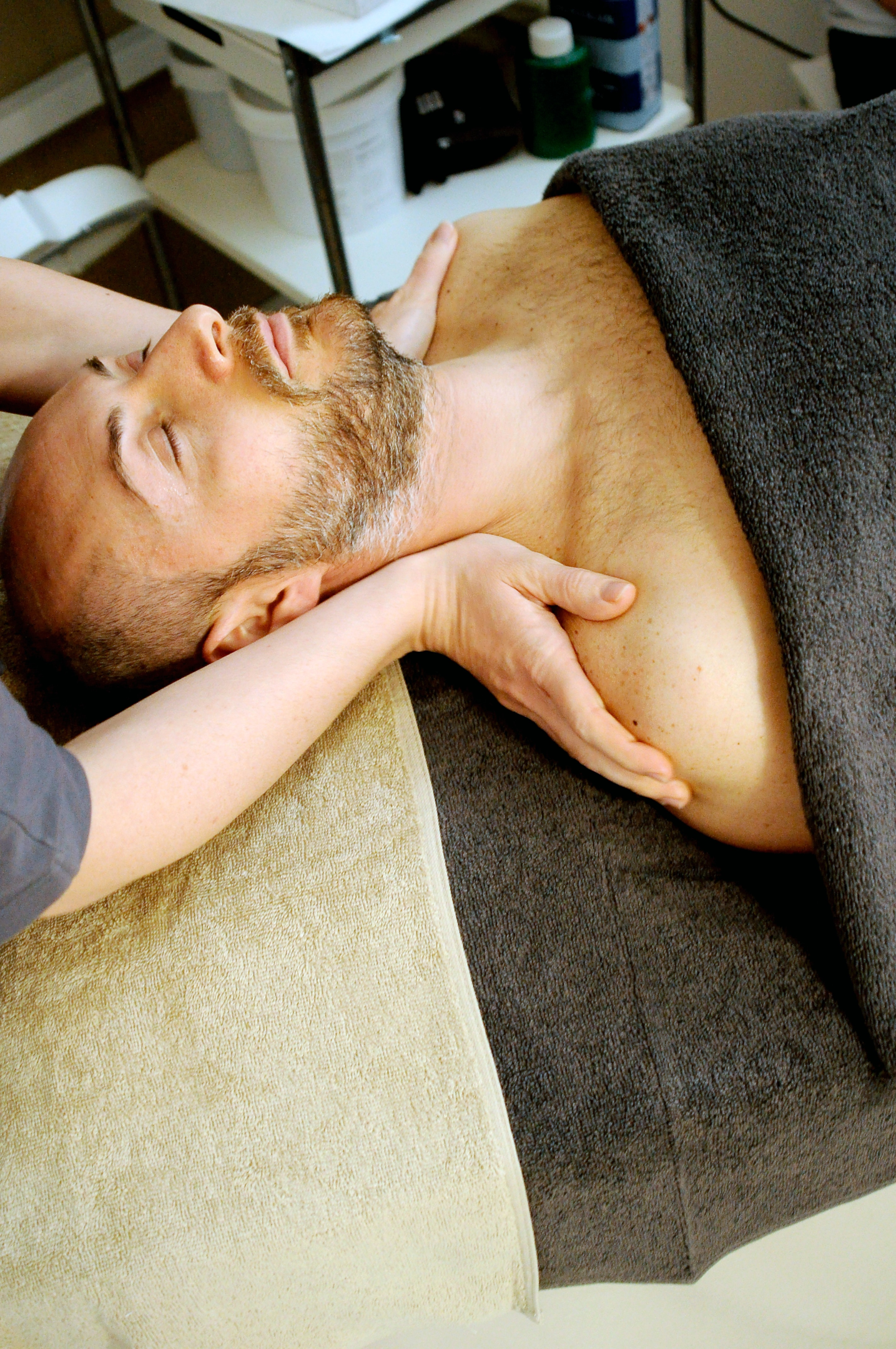
Personalized programs strengthen and stretch neck muscles, improve mobility, and relieve chronic pain. Manual therapy may help realign discs and improve blood circulation.
Therapeutic Injections
Steroid injections or nerve blocks reduce inflammation and pain in persistent cases.
Surgery
Considered when conservative treatments fail. Options include:
- Cervical decompression for nerve impingement
- Osteophyte removal for osteoarthritis
- Spinal tumor removal if necessary
Alternative Approaches to Easing Neck Tension
- Acupuncture
- Massage
- The Alexander Technique
- Yoga
- Pilates
Acupuncture
Acupuncture uses fine needles to stimulate the body’s energy pathways, relieving pain and improving blood flow. TENS (Transcutaneous Electrical Nerve Stimulation) also provides relief for some patients.
Prolotherapy
Prolotherapy is a regenerative injection therapy clinically proven to treat neck pain. Research supports its pain-relieving, anti-inflammatory, and regenerative benefits. It treats the root cause of neck pain, offering a potential long-term solution.

Disclaimer: The information provided in this section is for educational purposes only and is not a substitute for professional medical advice, diagnosis, or treatment. Prolotherapy may not be suitable for everyone, and outcomes can vary. Always seek the guidance of a qualified healthcare professional regarding your specific medical condition or treatment options. Never disregard professional medical advice or delay seeking it because of information you have read here.
Massage Therapy
Massage reduces muscle tension, improves blood circulation, and provides temporary relief from discomfort.
Exercises to Prevent Neck Pain Recurrence
Shoulder Blade Squeezes
Strengthens posture-supporting muscles, preventing strain and stiffness.
Gentle Stretching Routines
Simple daily stretches maintain flexibility and reduce the risk of stiffness and pain recurrence.
When to Consult a Medical Professional
Seeking Expert Diagnosis
A thorough physical exam, history taking, and imaging (X-ray, MRI, CT) help identify the root cause of neck pain for tailored treatment.
Understanding Treatment Options
Based on diagnosis, options include medication, physical therapy, injections, alternative therapies, or surgery.
Lifestyle Adjustments for Long-Term Neck Health
Posture and Ergonomics
Maintain proper posture at work, with ergonomic chairs and screens positioned at eye level.
Stress Management Techniques
Mindfulness meditation, yoga, and relaxation techniques reduce muscle tension and protect against neck pain.
Summary
From gentle stretches to advanced medical interventions, neck pain can be effectively managed with a combination of home care, therapy, and lifestyle adjustments. Early intervention and preventive measures are key to long-term relief and mobility.
Author Bio
Having performed over 10,000 procedures, Mr Oliver Eaton is one of the UK’s leading practitioners in the field of treating Neck Pain, with patients travelling to see him from across the UK, Europe, and the Middle East. With over 12 years of clinical experience, Oliver is dedicated to helping patients understand their symptoms associated with tibialis anterior tendonitis and providing effective treatment options to alleviate them.
He qualified in Prolozone Therapy and Prolotherapy in America with the American Academy of Ozonotherapy. He continued on to complete further qualifications at the Royal Society of Medicine, Charing Cross Hospital in London, Keele University’s Anatomy & Surgical Training Centre, and the medical department of Heidelberg University in Germany. Over the years he has had the privilege of treating many elite-level athletes, including both Olympic and Commonwealth medallists.
Mr Eaton’s expertise has been featured in many national news and media publications, including The Telegraph, The Daily Mail, The Daily Express, Women’s Health Magazine, and The Scotsman.
Linkedin profile: Oliver Eaton
Frequently Asked Questions
How do you get rid of a stiff neck?
Apply heat or ice, take over-the-counter pain relievers, massage gently, and use proper pillows. Soft neck collars and light movement can help.
How do you relieve neck pain?
Use painkillers (paracetamol, ibuprofen), low firm pillows, heat/cold packs, and neck stretching exercises to ease discomfort.
What are the most common causes of neck pain?
Muscle strain, nerve compression, poor posture, and overuse are the most common causes.
Can stress management techniques help with neck pain?
Yes, mindfulness, meditation, and yoga can reduce muscle tension and improve overall neck health.
Are there exercises to prevent future neck pain?
Yes, shoulder blade squeezes and gentle stretching exercises strengthen muscles and maintain flexibility.
Disclaimer: This article is for informational purposes only and does not substitute for professional medical advice. Always consult your healthcare provider before making treatment decisions.