Author: Mr Oliver Eaton BSc (Hons), PG.Cert – Orthopaedic Specialist
Reviewed by: Mr William Sharples BSc (Hons) – Pain Management Expert
Last Updated: September 2025
It is a treatment that has built a reputation for treating the root cause of many shoulder injuries. In many cases, the area of the shoulder that is in pain isn’t necessarily the source of the problem. Prolotherapy doctors are trained in not only treating the area of pain, but also treating the underlying source as well.
Table of Contents
- Introduction
- Anatomy of the Shoulder
- What Our Treatment Offers
- Shoulder Symptoms
- Types of Shoulder Conditions
- Common Causes
- Treatments: Prolotherapy
- Prolotherapy Research
- Frequently Asked Questions
- Contact ProHealth Clinic
- Author Bio
Prolotherapy has built a reputation for treating the root cause of many shoulder injuries. In many cases, the area of the shoulder that is in pain isn’t necessarily the source of the problem. Prolotherapy doctors are trained in not only treating the area of pain, but also the underlying source as well.
The shoulder is a complex joint with many different structures that all have their own individual roles. To understand how prolotherapy works, it is important to understand as much as possible about the function of the shoulder and what causes it problems. This article covers:
- Anatomy of the shoulder
- Shoulder symptoms
- Types of shoulder injuries
- Causes of shoulder injuries and how our treatment can help
- Prolotherapy shoulder research
To watch more video reviews, head over to our review page.
Anatomy Of the Shoulder
The shoulder is a ‘ball and socket’ joint and is made up of three bones. The shoulder joint is formed by the upper arm bone (humerus), the shoulder blade (scapula), and the collarbone (clavicle). This type of joint allows movement in all directions. The top of the arm bone (humerus) fits into the socket of the shoulder blade, allowing for a wide range of motion. The shoulder joint contains fluid filled sacs called bursae, which help reduce friction between tissues. There are eight muscles associated with the shoulder, four of which make up the ‘rotator cuff’. There are four main ligaments in the joint.

What Our Treatment Can Offer That Other Treatments Can’t
Some shoulder injuries struggle to heal with other treatments, primarily due to instability in the ligaments. Stable ligaments prevent a joint from over-working and help to create an environment for an injury to heal properly.
For example, if you’ve got a tear in one of your rotator cuff tendons then you want to make sure it is able to rest and repair. If the ligaments next to it are loose and unstable, then it means the injured tendon is having to over-work at the same time as attempting to heal.
These injections have been shown to be one of the most effective ways of strengthening and stabilising ligaments, helping to create an optimal environment for a shoulder injury to heal effectively.
It is also common for ligaments in more distant areas to be the source of the problem. Many movements require the shoulder to work together with other neighbouring structures. These structures include the AC (acromioclavicular) joint, SC (sternoclavicular) joint, neck, thoracic spine (upper back), elbow, and even the knees, which are another common site for joint pain or instability.
Joint instability in these areas can affect not just the shoulder, but other parts of the body as well, highlighting how interconnected our body systems are. Instability in one of these structures can prevent a shoulder injury from healing. For example, instability in the neck ligaments from a previous whiplash injury could be causing your shoulder to over-work and cause problems. In this case, both the neck and the shoulder need to be treated at the same time.

Shoulder Symptoms
- Pain – this can be dull or sharp and be located internally in the joint or more superficial. Many people experience pain during certain movements or even at rest. It is common to experience associated referred pain down the arm.
- Instability – the joint can feel unstable during certain movements or is easily dislocated.
- Weakness – occurring predominantly in the muscles that attach into the joint.
- Stiffness – originating either in the muscles or inside the joint itself.
- Tightness – some individuals may feel tightness in the shoulder, which can indicate muscle tension or restricted movement.
Types of Shoulder Conditions and How the Injections Help
Identifying the specific shoulder condition is crucial for effective treatment, as it helps guide the most appropriate management plan.
Frozen shoulder (adhesive capsulitis):
A condition that occurs when small adhesions build up between the joint surfaces. This leads to stiffness and pain. Our treatment can help to reduce pain and inflammation. When combined with physical therapy it is also possible to improve mobility in the joint.
Osteoarthritis:
A diagnosed condition that involves the breakdown of cartilage within the joint. As a result, the bone surfaces start rubbing against each other, causing pain and stiffness.
Osteoarthritis also causes the joint to become unstable, so the supporting muscles have to work harder and can often end up in pain.
Our treatments can help in three ways. Firstly, it can help to stimulate cartilage growth. Secondly, it reduces pain and inflammation. Thirdly, it helps to strengthen the ligaments and tendons in the joint to improve stability.
Rotator cuff tendon tear:
A tear located in the tendon of any of the four muscles that make up the ‘rotator cuff’. These include the supraspinatus, infraspinatus, teres minor and sub-scapularis muscles. The supraspinatus is the most commonly affected muscle due to its vulnerability of getting trapped during certain movements.
A physical exam and imaging tests are often used to assess the affected shoulder and determine the extent of the injury. Most problems with the rotator cuff are due to tears or inflammation.
Our treatment can help to both reduce inflammation and stimulate the healing compounds needed to repair the tear. It is important to note that the treatment can only help to repair partial tears, not full tears. Surgery may be required to repair severe tendon damage or full tears.

Labral Tear:
A tear of the labrum in the shoulder. The labrum is a piece of soft cartilage that cups the ball in the socket. Depending on the character of the tear, our treatment can help to repair it in the same way that it repairs a rotator cuff tear.
Bursitis:
This occurs when one of the bursa in the shoulder joint becomes inflamed. The most commonly affected bursa is the ‘sub-acromial’ bursa, due to its susceptibility to getting compressed during certain movements and with bad posture.
Our treatment can be very effective at reducing inflammation in a bursa. For long-lasting results, it is important that the injections are combined with physical therapy to address any underlying postural problems.
Dislocations:
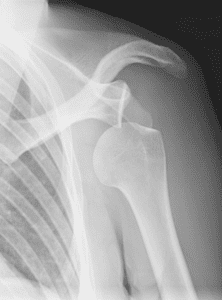
Occurs when the ball (head of the humerus bone) comes out of the socket of the scapula bone. This form of trauma can cause damage and instability in the ligaments and tendons of the joint.
Common Causes
Bad posture:
Regarded as the most common cause of shoulder pain, bad posture can be a direct cause of injury. It can also be an indirect cause through changing the angle that the shoulder operates, leaving it more vulnerable to experiencing an injury during certain movements.
The most common position of bad posture occurs when your shoulders are hunched over with a bad desk set-up. When an individual comes into our clinic with a shoulder problem, we always assess their posture. If a postural issue has been identified, then we prescribe specific exercises for that individual to perform in between each appointment of injections. This combined approach helps to enhance the results. It’s important not to stop moving entirely, as maintaining gentle activity helps prevent stiffness and supports recovery.

Trauma:
Sporting incidents, car accidents and falls are the most common traumatic causes. Trauma can often cause sudden pain and make it difficult to move your arm. The trauma can often lead to long term instability in the shoulder which prolotherapy can help to address, alongside repair the damaged tissue.
Misalignment:
As mentioned earlier on in the article, problems in other structures can have an influence on the shoulder. The biggest of those problems are misalignments, especially the thoracic spine.
The position of the thoracic spine will dictate the position of the shoulder. This causes many structures in the shoulder to over-work and eventually cause injury. Compensating for pain in one shoulder can also lead to overuse or strain on the opposite side, increasing the risk of further problems.
During each consultation and examination at our clinic, we assess for misalignments in the structures around the shoulder. If one is identified, then we include gentle massage and stretching techniques alongside the injections. This combined approach ensures that we can get rid of the root cause of the shoulder injury and prevent it from returning.
Previous injuries:
Past problems can cause either misalignments or instability in the shoulder joint. A previous injury may appear to have healed in terms of the pain having reduced, but it can often leave mild weakness in the injured area that over time can leave an individual susceptible to reinjury.
Diagnosing Shoulder Pain
When you visit a healthcare professional for shoulder pain, the first step is a thorough evaluation. Your doctor will ask about your symptoms—such as where you feel pain, how intense it is, and how long it’s been bothering you. They’ll also want to know about any previous injuries or medical conditions that could be affecting your shoulder joint. During the physical examination, your doctor will check your shoulder’s range of motion, strength, and stability, looking for signs of joint pain or weakness. To get a clearer picture, imaging tests like X-rays, MRI, or CT scans may be recommended. These tests help identify issues such as rotator cuff injuries, arthritis, or other structural problems. In some cases, blood tests may be used to rule out underlying medical conditions that could be causing your symptoms. Accurate diagnosis is essential for developing an effective treatment plan to relieve pain and restore shoulder function.
Heart Attack Warning: When Shoulder Pain Signals an Emergency
While shoulder pain is often related to injuries or joint problems, it can sometimes be a warning sign of a heart attack—especially if it comes on suddenly and is severe. If you experience shoulder pain along with symptoms like chest pain, shortness of breath, dizziness, or pain radiating to your left arm, neck, or jaw, seek immediate medical attention. These symptoms may indicate a heart attack, a life-threatening emergency that requires prompt treatment. Don’t wait—call emergency services or go to the emergency room right away if you suspect your shoulder pain could be related to your heart. Quick action can save your life and prevent serious complications.
Treatments
Prolotherapy
In recent years, Prolotherapy has built its reputation within the medical community for its clinically proven ability to treat shoulder pain.[1]
Published research has proven its pain-relieving, anti-inflammatory and regenerative benefits.
Prolotherapy involves injecting a natural regenerative solution with tiny needles. This has been shown to stimulate the production of collagen cells, the small cells needed to help with shoulder pain.
As prolotherapy is helping to treat the root cause of shoulder pain, it is deemed to be a permanent fix, preventing the symptoms from returning.

After prolotherapy, patients should gradually increase the intensity and duration of shoulder exercises as recommended by their healthcare provider.
Disclaimer: The information provided in this section is for educational purposes only and is not a substitute for professional medical advice, diagnosis, or treatment. Prolotherapy may not be suitable for everyone, and outcomes can vary. Always seek the guidance of a qualified healthcare professional regarding your specific medical condition or treatment options. Never disregard professional medical advice or delay seeking it because of information you have read here.
Home Remedies for Shoulder Pain
If you’re dealing with mild shoulder pain, there are several home remedies that can help ease discomfort and support recovery. Resting your shoulder and avoiding activities that worsen the pain is a good starting point. Applying an ice pack to the affected area for 15-20 minutes at a time can help reduce inflammation and relieve pain, especially after an injury. Heat therapy, such as a warm shower or heating pad, can relax tight muscles and improve blood flow. Gentle shoulder exercises and stretches, like shoulder rolls or arm circles, can help maintain mobility and reduce stiffness. Over-the-counter pain relievers, such as acetaminophen or nonsteroidal anti-inflammatory drugs (NSAIDs), can also be used to manage pain and swelling. Remember, if your pain persists for more than a few weeks or gets worse, it’s important to consult a healthcare professional for further evaluation and treatment.
Lifestyle Changes to Support Shoulder Health
Taking care of your shoulders goes beyond treating pain—it’s about preventing future problems and keeping your joints healthy for the long term. Simple lifestyle changes can make a big difference. Practice good posture, especially if you spend long hours at a desk, to reduce strain on your shoulder muscles and joints. Avoid heavy lifting or repetitive overhead movements that can lead to injury. Incorporate regular exercise into your routine, focusing on activities that strengthen the shoulder muscles and improve flexibility, such as swimming, yoga, or resistance training. Take breaks to stretch and move throughout the day, especially if you’re doing tasks that involve your arms or shoulders. Managing stress and getting enough sleep can also help reduce muscle tension and support overall health. By making these adjustments, you can help reduce pain, prevent injuries, and keep your shoulders strong and mobile for years to come.
Prolotherapy Research on Shoulder Pain
- Prolotherapy for chronic shoulder pain: A review of clinical studies
- Dextrose prolotherapy for rotator cuff tendinopathy: A randomized controlled trial
Interested in how much prolotherapy costs? Head over to our prices page.
For more in-depth information about how our treatment works, head over to our post titled ‘what is prolotherapy?’
Frequently Asked Questions
How does Prolotherapy work for shoulder pain?
Prolotherapy stimulates the body’s natural healing response by injecting a regenerative solution into weakened ligaments and tendons, promoting collagen production and tissue repair.
Is Prolotherapy safe?
Yes, Prolotherapy is considered safe when performed by a qualified practitioner. Side effects are rare and typically mild, such as temporary soreness or swelling.
How many treatments will I need?
Most patients require 3-6 sessions, spaced a few weeks apart. The exact number depends on the severity and duration of your shoulder pain.
What is the difference between Prolotherapy and Prolozone Therapy?
Prolotherapy uses a regenerative solution to stimulate healing, while Prolozone Therapy adds medical ozone to further reduce inflammation and accelerate recovery.
Can Prolotherapy help with rotator cuff injuries?
Yes, research shows Prolotherapy can reduce pain, improve function, and may even promote tissue repair in partial rotator cuff tears and other shoulder conditions.[1]
Contact ProHealth Clinic Today for Your FREE 15-Minute Discovery Call
Don’t let shoulder pain control your life any longer. Join the thousands of patients who have found lasting relief through prolotherapy at ProHealth Clinic.
Get in Touch
Phone: +44 1234 380345
Email: info@prohealthclinic.co.uk
Our Clinic Locations
London: 104 Harley Street, Marylebone, W1G 7JD
Manchester: The Hadley Clinic, 64 Bridge Street, M3 3BN
Bedford: The Village Medical Centre, Kingswood Way, MK40 4GH
All clinics offer the same award-winning prolotherapy treatment with convenient appointment times, including evenings and weekends.
Author Bio
Having performed over 10,000 procedures, Mr Oliver Eaton is one of the UK’s leading practitioners in the field of treating shoulder pain, with patients travelling to see him from across the UK, Europe, and the Middle East.
With over 12 years of clinical experience, Oliver is dedicated to helping patients understand their symptoms associated with shoulder pain and providing effective treatment options to alleviate them.
He qualified in Prolozone Therapy and Prolotherapy in America with the American Academy of Ozonotherapy. He continued on to complete further qualifications at the Royal Society of Medicine, Charing Cross Hospital in London, Keele University’s Anatomy & Surgical Training Centre, and the medical department of Heidelberg University in Germany.
Mr Eaton’s expertise has been featured in many national news and media publications, including The Telegraph, The Daily Mail, The Daily Express, Women’s Health Magazine, and The Scotsman.
Over the years he has had the privilege of treating many elite-level athletes, including both Olympic and Commonwealth medallists.
LinkedIn profile
References
- Rabago D, Nourani B. Prolotherapy for shoulder pain: a descriptive review. Curr Rheumatol Rep. 2017;19(6):34. Read study.
- Seven M, et al. Dextrose prolotherapy for rotator cuff tendinopathy: a randomized controlled trial. Eur J Integr Med. 2017;13:64-71. Read study.
Disclaimer: This article is for informational purposes only and does not substitute for professional medical advice. Always consult your healthcare provider before making treatment decisions.