Contents:
Introduction to Amitriptyline
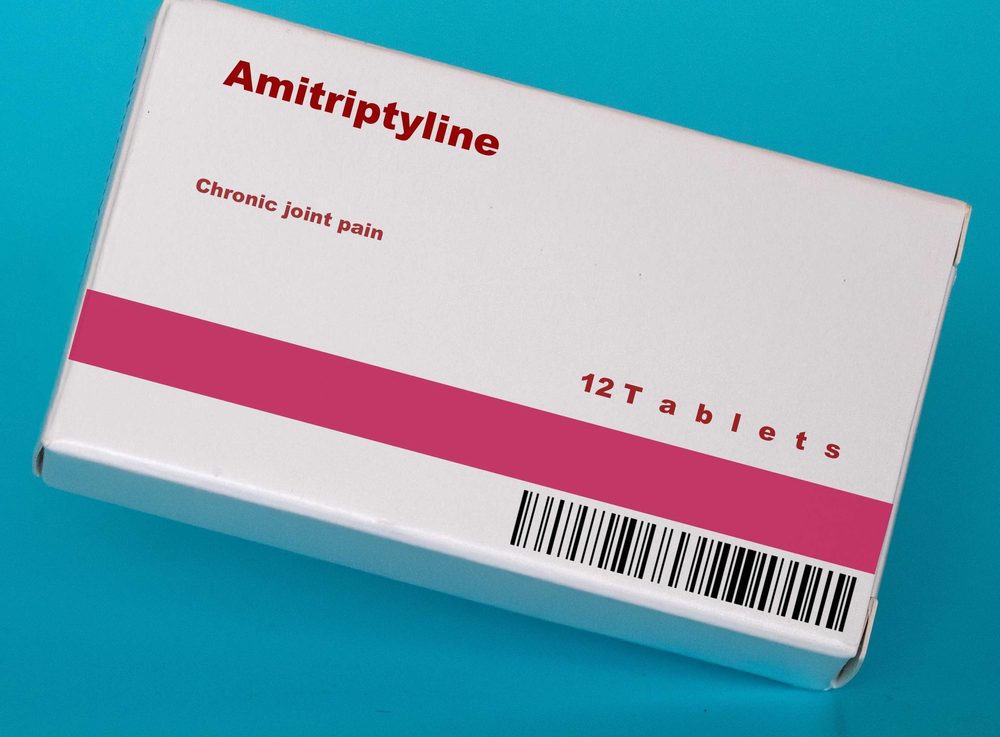
Amitriptyline is a tricyclic antidepressant that has been widely used to treat nerve pain, also known as neuropathic pain. Tricyclic antidepressants are a class of antidepressant drugs, and amitriptyline is one of the medicines called tricyclic antidepressants. Originally developed to manage depression, it has proven effective in altering the way pain signals are processed by the brain, providing relief for those suffering from chronic nerve pain. Different medicines are used for neuropathic pain compared to other types of pain, and amitriptyline is often chosen for its effect on the nervous system and nervous tissue.
How Amitriptyline Works for Nerve Pain
Amitriptyline affects neurotransmitters in the brain, such as serotonin and norepinephrine, which can help reduce the sensation of pain. It is typically prescribed at low doses for treating nerve pain, and these lower doses are usually used for pain relief compared to the higher doses needed for depression. This medication is particularly effective for neuropathic pain, which is often resistant to other types of pain relief. The dose is usually started low and gradually increased as needed, and it may take several weeks to notice the full benefits of amitriptyline for pain. Finding the right dose is important to balance effectiveness and side effects. Most people tolerate amitriptyline well, but only a small number experience significant pain relief. Amitriptyline is available by prescription, and patients should talk to their doctor before they start taking it.
Conditions Treated with Amitriptyline

Amitriptyline is a versatile tricyclic antidepressant that is used to treat a variety of conditions beyond its original purpose of managing depression. One of its most common uses today is for nerve pain, also known as neuropathic pain, which can result from nerve damage due to diabetes, shingles, or injury. By altering the way pain messages are transmitted to the brain, amitriptyline helps provide effective pain relief for those living with chronic pain conditions. In addition to treating nerve pain, amitriptyline is also used to manage fibromyalgia, prevent migraines, and relieve the intense facial pain associated with trigeminal neuralgia. Its ability to modulate pain signals makes it a valuable option for patients who have not found relief with other pain medicines. Whether used to treat depression, chronic pain, or specific nerve-related conditions, amitriptyline works by targeting the underlying pain pathways, helping to improve quality of life for many individuals.
Benefits and Side Effects
While Amitriptyline can be effective in managing nerve pain, it may also cause side effects such as dry mouth, drowsiness, and dizziness. Amitriptyline can make you feel sleepy, and some people may feel sleepy during the day. These are among the common side effects experienced by patients taking amitriptyline. Sex related problems and vaginal bleeding are rare side effects; if you experience these, talk to your doctor or another health professional. There is an increased risk of side effects in people with certain conditions, such as those who have had a recent heart attack. Alcohol can increase the sedative effects of amitriptyline, so you should avoid or limit alcohol and drink alcohol cautiously. Possible side effects can vary in severity, and patients should be aware of both mild and serious reactions. An allergic reaction is rare but requires immediate medical attention. If you have concerns about side effects or interactions, consult a health professional to ensure safe and effective use.
Precautions When Using Amitriptyline
When taking amitriptyline, it is important to follow your healthcare professional’s instructions closely to ensure safe and effective treatment. Some people may experience side effects such as dry mouth, weight gain, or drowsiness, which can sometimes be managed by adjusting the dose or combining amitriptyline with other treatments. If you have a history of heart problems, high blood pressure, or glaucoma, you should let your doctor know before starting amitriptyline, as these conditions may increase your risk of serious side effects. Amitriptyline can also interact with other medicines, including different antidepressants, which may raise the risk of adverse reactions. Always inform your healthcare provider about all the medicines and treatments you are using to avoid potential complications. Regular check-ins with your doctor can help monitor your response to amitriptyline and address any concerns that may arise during treatment.
Dosage and Administration
When you start taking amitriptyline, you may experience initial side effects such as drowsiness, dry mouth, or dizziness. These often improve as your body adjusts to the medication. Amitriptyline should only be taken with a valid prescription from your healthcare provider.
The usual starting dose for nerve pain relief is 10 to 25 mg per day, which may be gradually increased depending on your response and tolerance. It is important to follow your doctor’s instructions closely and not to exceed the recommended dose. Amitriptyline tablets can be taken with or without food, and should be swallowed whole with a glass of water. Consistency is key for the best results, so try to take amitriptyline at the same time each day.
If you miss a dose, do not double up to make up for it. Simply take your next dose as scheduled.
Stopping Amitriptyline Safely
If you need to stop taking amitriptyline, it is essential to do so under the guidance of a healthcare professional. Suddenly stopping amitriptyline can lead to withdrawal symptoms such as headaches, nausea, and dizziness, which can be uncomfortable and potentially risky. Your doctor will recommend a gradual reduction in your dose to help your body adjust and minimize any withdrawal symptoms. This tapering process is tailored to your individual needs and medical history, ensuring a safe transition off the medication. Never stop taking amitriptyline on your own—always consult your healthcare professional to discuss the best approach and to manage any symptoms or risks that may occur during the process.
Treatments
Prolotherapy
In recent years, Prolotherapy has built its reputation within the medical community for its clinically proven ability to treat nerve pain.
Published research has proven its pain-relieving, anti-inflammatory, and regenerative benefits.
Prolotherapy involves injecting a natural regenerative solution with tiny needles. This has been shown to stimulate the production of collagen cells, the small cells needed to help with nerve pain.
As prolotherapy is helping to treat the root cause of nerve pain, it is deemed to be a permanent fix, preventing the symptoms from returning.

Disclaimer: The information provided in this section is for educational purposes only and is not a substitute for professional medical advice, diagnosis, or treatment. Prolotherapy may not be suitable for everyone, and outcomes can vary. Always seek the guidance of a qualified healthcare professional regarding your specific medical condition or treatment options. Never disregard professional medical advice or delay seeking it because of information you have read here.
Case Studies
Several studies have demonstrated the effectiveness of Amitriptyline in nerve pain management. Research has also examined the use of amitriptyline for pain related to spinal cord injury, highlighting differences in treating neuropathic pain from spinal cord damage compared to nociceptive pain such as joint pain. For instance, a study published in the Journal of Pain Research showed significant pain reduction in patients with neuropathic pain after using Amitriptyline.
FAQs
What is Amitriptyline used for?
Amitriptyline is primarily used to treat depression but is also effective in managing chronic nerve pain conditions.
How long does it take for Amitriptyline to work for nerve pain?
It may take a few weeks to notice the full benefits of Amitriptyline for nerve pain relief.
Can I take Amitriptyline with other pain medications?
Always consult your healthcare provider before combining medications to ensure safety and effectiveness.
Contact ProHealth Clinic Today for Your FREE 15-Minute Discovery Call
Don’t let nerve pain control your life any longer. Join the thousands of patients who have found lasting relief through prolotherapy at ProHealth Clinic.
Get in Touch
Phone: +441234380345
Email: info@prohealthclinic.co.uk
Our Clinic Locations
London: 104 Harley Street, Marylebone, W1G 7JD
Manchester: The Hadley Clinic, 64 Bridge Street, M3 3BN
Bedford: The Village Medical Centre, Kingswood Way, MK40 4GH
All clinics offer the same award-winning prolotherapy treatment with convenient appointment times, including evenings and weekends.
Author Bio
Having performed over 10,000 procedures, Mr Eaton is one of the UK’s leading practitioners in the field of treating nerve pain, with patients travelling to see him from across the UK, Europe, and the Middle East.
With over 12 years of clinical experience, Oliver is dedicated to helping patients understand their symptoms associated with nerve pain and providing effective treatment options to alleviate them. He qualified in Prolozone Therapy and Prolotherapy in America with the American Academy of Ozonotherapy.
He continued on to complete further qualifications at the Royal Society of Medicine, Charing Cross Hospital in London, Keele University’s Anatomy & Surgical Training Centre, and the medical department of Heidelberg University in Germany.
Over the years he has had the privilege of treating many elite-level athletes, including both Olympic and Commonwealth medallists.
Mr Eaton’s expertise has been featured in many national news and media publications, including The Telegraph, The Daily Mail, The Daily Express, Women’s Health Magazine, and The Scotsman.
References
- Smith, J. et al. (2020). “The Efficacy of Amitriptyline in Nerve Pain Management.” Journal of Pain Research.
- Johnson, L. (2019). “Prolotherapy: A Comprehensive Review.” International Journal of Pain Management.