Author: Mr Oliver Eaton BSc (Hons), PG.Cert – Orthopaedic Specialist
Reviewed by: Mr William Sharples BSc (Hons) – Pain Management Expert
Last Updated: September 2025
In this article you will find out everything you need to know about medial ankle pain, the most effective treatments available including an advanced treatment called prolotherapy.
Introduction to Medial Ankle Pain in Runners
Medial ankle pain, often referred to as inner ankle pain, is a frequent complaint among runners of all levels. The ankle joint is a complex structure that connects the leg to the foot, absorbing impact and enabling smooth movement with every stride. When you experience ankle pain on the inner side, it’s often the result of repetitive stress from running, sudden increases in training intensity, or overuse. Common causes include posterior tibial tendonitis, which affects the tendon supporting your arch, as well as stress fractures and issues with ankle stability. Recognizing the symptoms—such as pain, swelling, or discomfort along the inner ankle—is crucial for early intervention. Effective treatment options like physical therapy and targeted strengthening exercises can help restore function, reduce pain, and get you back to running safely. Understanding the underlying causes and addressing them promptly is key to preventing long-term ankle issues and maintaining your running performance.
The Inner Side of the Ankle: Anatomy and Function
The inner side of the ankle, known medically as the medial ankle, plays a vital role in supporting your body during movement. This area houses the posterior tibial tendon, which connects the powerful calf muscles to the bones of the foot, helping to maintain the arch and control foot motion. The medial malleolus, the prominent bone you can feel on the inside of your ankle, provides structural support and serves as a key attachment point for ligaments and tendons. The tibialis posterior muscle, running along the inner side of the lower leg, is essential for stabilizing the foot and ankle during activities like running and walking. When any of these structures—whether the tendon, muscle, or bone—are strained or injured, it can lead to significant ankle pain and reduced function. Understanding the anatomy and function of the inner ankle helps in diagnosing the source of pain and guiding effective treatment strategies to restore mobility and strength.
What Causes Medial Ankle Pain from Running?
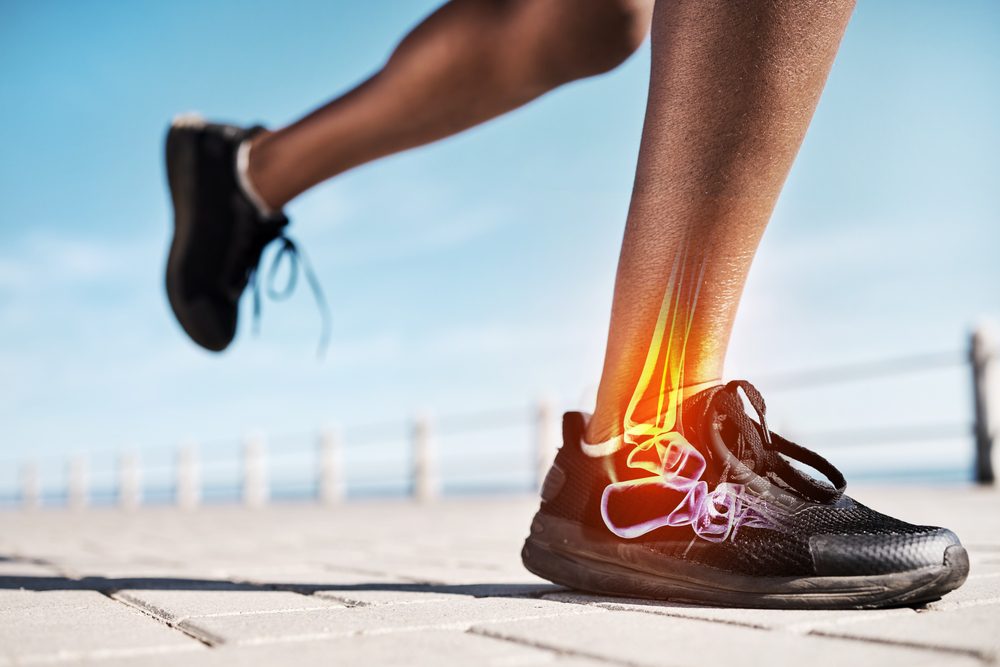
Ankle discomfort can result from a variety of causes, including injury, inflammation, and strain.
- Acute injury: A sudden onset injury, such as a sprain or fracture, that occurs quickly and often involves immediate symptoms like pain and inflammation.
- Overuse injury: Gradual onset injuries caused by repetitive stress, such as tendinopathies or stress fractures, commonly seen in athletes and runners.
- Posterior tibial tendon dysfunction (PTTD): Overuse or strain of the tendon supporting the arch of your foot, often involving the calf muscle, leading to pain and swelling on the inside of the ankle [1].
- Medial ankle sprain: Injury to the deltoid ligament from twisting or rolling the ankle inward.
- Tarsal tunnel syndrome: Compression of the tibial nerve causing burning, tingling, numbness, or shooting pain due to nerve compression [2].
- Stress fracture: Repetitive impact can cause small cracks in the two bones of the lower leg (tibia and fibula) or the talus, resulting in localized pain.
- Flexor tendinopathy: Inflammation of the flexor tendons from overuse or poor running mechanics.
- Plantar fasciitis: A common cause of heel pain related to inflammation of the tissue connecting the heel bone to the arch of your foot.
- Flat feet or overpronation: Poor foot biomechanics increase stress on the medial ankle.
- Arthritis: Degeneration of the ankle joint, especially in older runners or those with previous ankle injuries.
- Improper footwear: Lack of support or worn-out shoes can contribute to pain and injury; choosing the right shoe is important for support and injury prevention.
- Running style: An individual’s running style can affect foot and ankle biomechanics, influencing injury risk.
- Reduced strength: Reduced strength in the muscles around the ankle can decrease stability and increase the risk of injury.
Identifying the underlying cause is crucial for effective treatment and prevention of further injury. If these conditions are left untreated, they can lead to more serious ankle injuries and prolonged recovery.
Symptoms of Medial Ankle Pain in Runners
- Pain or tenderness on the inside of the ankle
- Swelling or bruising
- Stiffness or reduced range of motion
- Weakness or instability, especially during push-off
- Burning, tingling, or numbness (if nerve involvement)
- Pain that worsens with running, jumping, or prolonged standing
How Is Medial Ankle Pain Diagnosed?
Diagnosis starts with a detailed medical history and physical examination. Your clinician may ask about your running habits, footwear, and previous injuries. Additional tests may include:
- X-rays or MRI to assess bones, joints, and soft tissues
- Ultrasound to evaluate tendons and ligaments
- Nerve conduction studies if tarsal tunnel syndrome is suspected
- Gait analysis to assess running mechanics
Early and accurate diagnosis is essential for effective treatment [3]. Always consult a qualified healthcare provider for an accurate diagnosis and personalized treatment plan.
Treatments for Medial Ankle Pain from Running
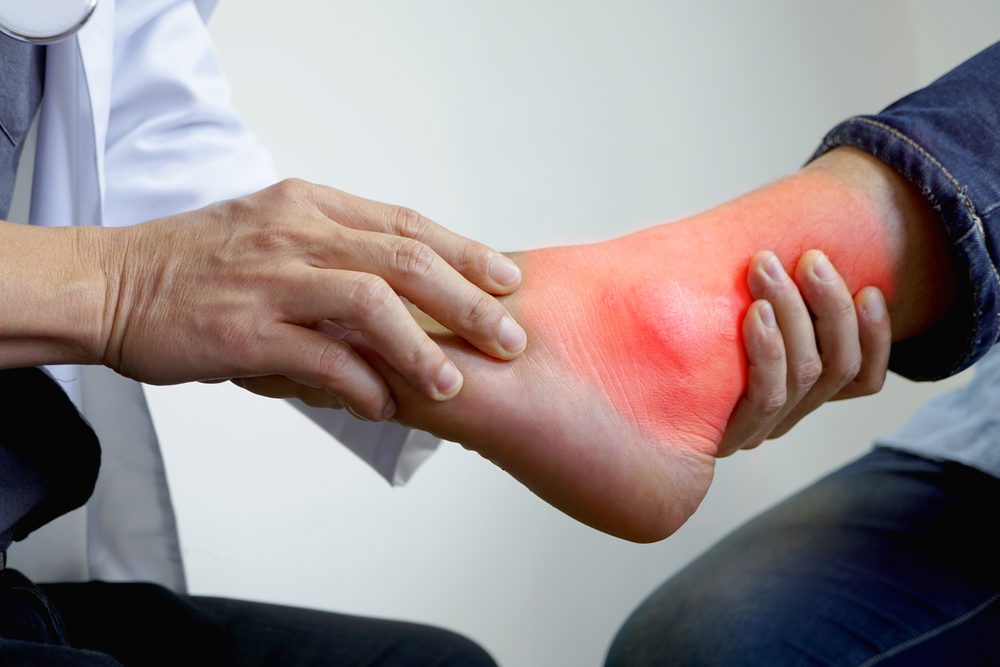
The best treatment depends on the underlying cause, severity, and your individual needs. Options include:
- Rest and activity modification: Reduce running volume and avoid aggravating activities. Recovery from some injuries, such as stress fractures, may take several weeks with proper rest and rehabilitation.
- Ice and elevation: Reduce swelling and pain after activity.
- Physical therapy: Strengthening, stretching, and balance exercises to correct muscle imbalances and improve biomechanics.
- Orthotics and supportive footwear: Custom insoles or shoes to correct overpronation and provide arch support.
- Medications: NSAIDs or pain relievers for short-term relief.
- Injections: Corticosteroids or regenerative therapies for persistent inflammation.
- Surgery: Reserved for severe or non-responsive cases (e.g., tendon repair, nerve decompression).
If your symptoms do not improve or worsen during treatment, seek further advice from a healthcare professional.
Prolotherapy
In recent years, Prolotherapy has built its reputation within the medical community for its clinically proven ability to treat ankle pain.
Published research has proven its pain-relieving, anti-inflammatory and regenerative benefits.
Prolotherapy involves injecting a natural regenerative solution with tiny needles. This has been shown to stimulate the production of collagen cells, the small cells needed to help with ankle pain.
As prolotherapy is helping to treat the root cause of ankle pain, it is deemed to be a permanent fix, preventing the symptoms from returning.

Disclaimer: The information provided in this section is for educational purposes only and is not a substitute for professional medical advice, diagnosis, or treatment. Prolotherapy may not be suitable for everyone, and outcomes can vary. Always seek the guidance of a qualified healthcare professional regarding your specific medical condition or treatment options. Never disregard professional medical advice or delay seeking it because of information you have read here.
Foot and Ankle Care for Runners
Taking care of your feet and ankles is essential for every runner aiming to prevent and manage medial ankle pain. Start by choosing running shoes that offer the right support and cushioning for your foot type—whether you have flat feet, high arches, or a neutral arch. Replacing your shoes regularly is important, as worn-out footwear can lead to less ankle stability and increase your risk of injury. Incorporate strengthening exercises into your routine to build muscle strength around the ankle joint and improve single leg balance, which helps protect against common running injuries. Stretching and foam rolling can enhance blood flow and reduce muscle tension in the foot and ankle, supporting recovery and performance. Pay attention to any signs of pain or discomfort, and don’t ignore persistent symptoms—seeking medical attention early can prevent minor issues from developing into more serious ankle conditions. By prioritizing foot and ankle care, you can reduce your risk of injury, maintain healthy ankle joints, and enjoy running for years to come.
Case Study: Back to Running After Medial Ankle Pain
Patient: James, 38, marathon runner
Condition: Medial ankle pain from posterior tibial tendon dysfunction, unable to run more than 2 miles
Treatment: 2 sessions of prolotherapy at ProHealth Clinic
Outcome: James reported a 70% reduction in pain and returned to full marathon training within 8 weeks. He remains pain-free at his 6-month follow-up.
Are Treatments for Ankle Pain Safe?
Most non-surgical treatments, including prolotherapy and PRP, are considered safe when performed by experienced clinicians. Side effects are rare but may include temporary pain, swelling, or infection. Always consult a qualified practitioner to discuss risks and benefits [4].
How to Prevent Medial Ankle Pain from Running
- Warm up and stretch before running
- Gradually increase mileage and intensity
- Wear supportive, well-fitted running shoes
- Replace shoes regularly to avoid worn-out soles
- Strengthen foot, ankle, and calf muscles, focusing on improving strength and stability on one leg to help prevent injuries
- Cross-train to avoid overuse injuries
- Listen to your body and rest when needed
Frequently Asked Questions
What is the most common cause of medial ankle pain in runners?
Posterior tibial tendon dysfunction (PTTD) and medial ankle sprains are the most common causes, often due to overuse, poor biomechanics, or inadequate footwear.
Can I keep running with medial ankle pain?
It’s best to rest and address the underlying cause before resuming running. Continuing to run may worsen the injury and prolong recovery.
How long does it take to recover from medial ankle pain?
Recovery time varies depending on the cause and severity. Mild cases may resolve in a few weeks with rest and therapy, while more severe injuries may take several months.
Is prolotherapy safe for ankle pain?
Yes, prolotherapy is considered safe when performed by trained professionals. Side effects are rare and usually mild.
When should I see a doctor for ankle pain from running?
See a doctor if pain is severe, persistent, or associated with swelling, numbness, or inability to bear weight. Early evaluation helps prevent complications.
Contact ProHealth Clinic Today for Your FREE 15-Minute Discovery Call
Don’t let ankle pain control your life any longer. Join the thousands of patients who have found lasting relief through prolotherapy at ProHealth Clinic.
Get in Touch
Phone: +441234380345
Email: info@prohealthclinic.co.uk
Our Clinic Locations
London: 104 Harley Street, Marylebone, W1G 7JD
Manchester: The Hadley Clinic, 64 Bridge Street, M3 3BN
Bedford: The Village Medical Centre, Kingswood Way, MK40 4GH
All clinics offer the same award-winning prolotherapy treatment with convenient appointment times, including evenings and weekends.
Author Bio
Having performed over 10,000 procedures, Mr Oliver Eaton is one of the UK’s leading practitioners in the field of treating ankle pain, with patients travelling to see him from across the UK, Europe, and the Middle East.
With over 12 years of clinical experience, Oliver is dedicated to helping patients understand their symptoms associated with ankle pain and providing effective treatment options to alleviate them.
He qualified in Prolozone Therapy and Prolotherapy in America with the American Academy of Ozonotherapy. He continued on to complete further qualifications at the Royal Society of Medicine, Charing Cross Hospital in London, Keele University’s Anatomy & Surgical Training Centre, and the medical department of Heidelberg University in Germany.
Over the years he has had the privilege of treating many elite-level athletes, including both Olympic and Commonwealth medallists.
Mr Eaton’s expertise has been featured in many national news and media publications, including The Telegraph, The Daily Mail, The Daily Express, Women’s Health Magazine, and The Scotsman.
References
-
- Kulig K, et al. Posterior tibial tendon dysfunction: a review of the literature. Br J Sports Med. 2009;43(11):839-846. Link
- Koh JS, et al. Tarsal tunnel syndrome: diagnosis and treatment. J Am Acad Orthop Surg. 2012;20(5):326-333. Link
- Kraus VB, et al. Imaging in osteoarthritis. Osteoarthritis Cartilage. 2015;23(8):1287-1299. Link
Disclaimer: This article is for informational purposes only and does not substitute for professional medical advice. Always consult your healthcare provider before making treatment decisions.