Introduction to Itchy Skin
Itchy skin, medically known as pruritus, is a widespread concern that can affect anyone at any age. This irritating sensation often leads to an uncontrollable urge to scratch, which can sometimes make the problem worse. Itchy skin can be triggered by a variety of factors, including dry skin, allergic reactions, and chronic skin conditions such as atopic dermatitis or psoriasis. In some cases, itchy skin may be a sign of an underlying condition like liver disease or nerve damage, making it important to pay attention to additional symptoms that may develop. While itchy skin can affect any area of the body, the arms and forearms are particularly common sites. Recognizing the symptoms and understanding the potential causes of itchy skin is the first step toward finding the right treatment and achieving lasting relief.
What Causes Intense Itching on Arms?

- Dry skin (xerosis): Common in cold weather, with aging, or after hot showers.
- Allergic reactions: Soaps, detergents, or fabrics can trigger itching. An allergic reaction can cause symptoms such as swelling, redness, hives, and itching. Identifying and avoiding triggers is important for effective management.
- Skin conditions: Eczema, psoriasis, lichen planus, urticaria, and contact dermatitis [1] can all cause intense itching on the arms.
- Nerve-related causes: Brachioradial pruritus, which affects the skin over the brachioradialis muscle, is linked to nerve disorders and sometimes involves the spinal cord. Other causes include neuropathy or pinched nerves, all of which can cause severe itching [2]. Brachioradial pruritus is more common in middle age, especially in those with significant sun exposure.
- Systemic diseases: Diabetes, thyroid disorders, liver or kidney disease can present with itching [3]. Some people are more likely to develop itchy skin due to these underlying health conditions.
- Medications: Some drugs, including statins, opioids, and blood pressure medications, may cause itching as a side effect. Oral medication may be required for severe allergic reactions.
- Hormonal changes: Menopause or pregnancy can increase skin sensitivity.
- Psychological factors: Stress, anxiety, and depression can heighten itch perception.
- Insect bites: Mosquitoes, fleas, or bed bugs can cause localized itching.
- Sun exposure: Prolonged UV exposure can trigger nerve-related itching, especially in those with outdoor lifestyles.
Itchy forearms are a common symptom and can be caused by a variety of conditions, including allergic reactions, eczema, and nerve-related issues.
If itching persists for more than six weeks, it may be a sign of chronic pruritus and should be evaluated by a healthcare provider.
A severe allergic reaction with symptoms like swelling of the face or throat, difficulty breathing, or confusion requires immediate medical attention.
Identifying the underlying cause is crucial for effective treatment.
Risk Factors and Triggers
There are many possible causes and triggers that can lead to the development of itchy skin. Some of the most common risk factors include having dry skin, a history of atopic dermatitis, or living with chronic skin conditions like psoriasis or brachioradial pruritus. Environmental factors, such as exposure to poison ivy or wearing synthetic fabrics, can also irritate the skin and provoke itchiness. Age is another important factor—older adults are more likely to experience dry skin, which increases the risk of developing itchy skin. Climate and lifestyle choices, such as spending time in dry or cold environments, can further contribute to skin irritation. By understanding these risk factors and avoiding known triggers, individuals can take proactive steps to reduce their chances of experiencing itchy skin.
Symptoms of Itchy Arms
- Persistent or severe itching on one or both arms
- Pruritus symptoms such as redness, bumps, or rash (or sometimes no visible changes)
- Burning, tingling, burning sensation, or crawling sensations
- Scratching that leads to broken skin or sores
- Disturbed sleep or difficulty concentrating
Some conditions, such as brachioradial pruritus, can cause itching that extends from the forearm to the upper arm, and may also involve the neck and shoulders.
Itching may be described as deep, hard to relieve, and sometimes accompanied by abnormal sensations (paresthesia).
How Is Itchy Arms Diagnosed?
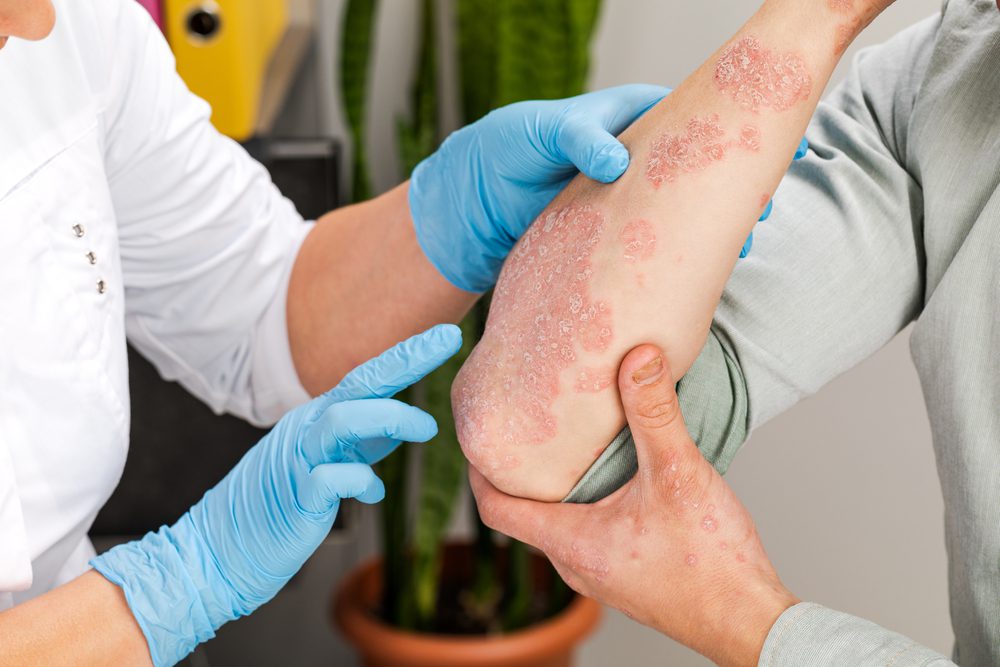
Diagnosis starts with a detailed medical history and physical examination. Your clinician may ask about your symptoms, triggers, and any underlying health conditions. Additional tests may include:
- Blood tests to check for diabetes, thyroid, liver, or kidney issues
- Skin scrapings or biopsies for suspected skin conditions
- Allergy testing
- Neurological assessment if nerve-related causes are suspected; clinicians may diagnose brachioradial pruritus through clinical evaluation, including patient history, physical examination, and supporting tests such as X-rays to assess spinal health
- Imaging (such as X-rays or MRI) if nerve compression is suspected
Early and accurate diagnosis is essential for effective treatment [4].
Nerve Damage and Its Effects
Nerve damage is a significant but often overlooked cause of itchy skin, especially in conditions like brachioradial pruritus. When the nerve fibers in the skin become damaged or irritated—often due to issues in the cervical spine or from pinched nerves—this can result in abnormal sensations such as persistent itching, burning, or tingling. These symptoms may be difficult to relieve with standard skin treatments, as the root cause lies deeper within the nervous system. Treatments for nerve-related itching can include oral medications that target nerve pain, as well as topical creams designed to calm irritated nerve fibers. In more severe cases, further interventions such as physical therapy or even surgery may be necessary to address the underlying nerve damage and provide lasting relief from itching.
Treatments for Itchy Arms
The best treatment depends on the underlying cause, severity, and your individual needs. The goal is to help you find relief from symptoms. Options include:
- Moisturisers: Apply fragrance-free creams or ointments to prevent dryness.
- Topical steroids: Reduce inflammation in eczema, psoriasis, or allergic reactions.
- Calcineurin inhibitors: These medications, used off-label for psoriasis, can be applied topically or systemically as an alternative or adjunctive therapy to help manage symptoms.
- Capsaicin cream: Blocks nerve endings responsible for transmitting the sensation of itching.
- Antihistamines: Oral or topical antihistamines can relieve allergic itching and help with sleep.
- Neuropathic medications: Gabapentin or pregabalin for nerve-related itching.
- Ice packs: Applying ice packs can provide relief, especially for nerve-related itching.
- Lukewarm baths: Gentle self-care to soothe itchy skin and reduce irritation.
- Addressing underlying conditions: Managing diabetes, thyroid, or liver disease can reduce symptoms.
- Behavioural strategies: Stress management, mindfulness, and keeping nails short to prevent skin damage.
With the right treatment, symptoms can often go away or be significantly reduced.
Prolotherapy
In recent years, Prolotherapy has built its reputation within the medical community for its clinically proven ability to treat itchy arms.
Published research has proven its pain-relieving, anti-inflammatory and regenerative benefits.
Prolotherapy involves injecting a natural regenerative solution with tiny needles. This has been shown to stimulate the production of collagen cells, the small cells needed to help with itchy arms.
As prolotherapy is helping to treat the root cause of itchy arms, it is deemed to be a permanent fix, preventing the symptoms from returning.

Disclaimer: The information provided in this section is for educational purposes only and is not a substitute for professional medical advice, diagnosis, or treatment. Prolotherapy may not be suitable for everyone, and outcomes can vary. Always seek the guidance of a qualified healthcare professional regarding your specific medical condition or treatment options. Never disregard professional medical advice or delay seeking it because of information you have read here.
Home Remedies and Self-Care
Managing itchy skin at home often starts with simple, effective self-care strategies. Regularly applying moisturizers can help soothe dry or irritated skin, while lukewarm baths can provide gentle relief without stripping the skin of its natural oils. It’s important to avoid harsh soaps and synthetic fabrics, which can worsen itching. Applying ice packs or cold compresses to the affected area can quickly reduce discomfort and inflammation. Practicing good skin care—such as keeping the skin clean, dry, and avoiding scratching—can prevent further irritation and break the itch scratch cycle. For additional relief, over-the-counter oral medications like antihistamines or topical creams containing hydrocortisone may be helpful. These home remedies can offer significant comfort and help manage symptoms between medical appointments.
Case Study: Lasting Relief from Itchy Arms
Patient: Mark, 48, office worker
Condition: Brachioradial pruritus (nerve-related itching), unresponsive to creams and antihistamines
Treatment: 2 sessions of prolotherapy at ProHealth Clinic
Outcome: Mark reported a 75% reduction in itching and improved sleep within 4 weeks. He remains symptom-free at his 6-month follow-up.
Are Treatments for Itchy Arms Safe?
Most non-surgical treatments, including prolotherapy, are considered safe when performed by experienced clinicians. Side effects are rare but may include temporary redness, swelling, or mild discomfort. Always consult a qualified practitioner to discuss risks and benefits [5].
How to Choose the Right Treatment for Itchy Arms
The best approach depends on your symptoms, underlying health, and treatment goals. A thorough assessment by a specialist is essential. At ProHealth Clinic, we create personalised treatment plans, often combining therapies for optimal results.
Preventing Itchy Skin from Coming Back
Long-term prevention of itchy skin involves a combination of consistent skin care, lifestyle adjustments, and, when necessary, medical treatment. Keeping the skin moisturized and avoiding known irritants are essential steps in reducing the risk of recurrence. Managing underlying health conditions, such as atopic dermatitis or psoriasis, with the help of a healthcare provider can also prevent flare-ups. In some cases, prescription topical medications or oral medications may be recommended to keep symptoms under control. Regular follow-up with your healthcare provider ensures that your treatment plan is working and allows for timely adjustments if needed. By staying proactive with your skin care routine and seeking medical advice when necessary, you can significantly lower the chances of itchy skin returning and enjoy healthier, more comfortable skin.
Frequently Asked Questions
What causes intense itching on the arms?
Common causes include dry skin, eczema, nerve irritation (brachioradial pruritus), allergies, systemic diseases, and medication side effects. In cases of eczema, scratching the affected skin can worsen the condition, leading to thickening, redness, and increased itchiness.
How can I stop my arms from itching?
Use a fragrance-free moisturiser, avoid hot showers, apply ice packs, and consider neuropathic medications if nerve-related. If itching persists, consult a healthcare provider.
Is itchy arms a sign of something serious?
While most causes are benign, persistent or severe itching—especially with other symptoms—may indicate an underlying condition and should be evaluated by a doctor.
Is prolotherapy safe for itchy arms?
Yes, prolotherapy is considered safe when performed by trained professionals. Side effects are rare and usually mild.
When should I see a doctor for itchy arms?
See a doctor if itching is severe, persistent, or associated with rash, swelling, or other symptoms. Medical evaluation is important to rule out underlying conditions.
Contact ProHealth Clinic Today for Your FREE 15-Minute Discovery Call
Don’t let itchy arms control your life any longer. Join the thousands of patients who have found lasting relief through prolotherapy at ProHealth Clinic.
Get in Touch
Phone: +441234380345
Email: info@prohealthclinic.co.uk
Our Clinic Locations
London: 104 Harley Street, Marylebone, W1G 7JD
Manchester: The Hadley Clinic, 64 Bridge Street, M3 3BN
Bedford: The Village Medical Centre, Kingswood Way, MK40 4GH
All clinics offer the same award-winning prolotherapy treatment with convenient appointment times, including evenings and weekends.
Author Bio
Having performed over 10,000 procedures, Mr Oliver Eaton is one of the UK’s leading practitioners in the field of treating itchy arms, with patients travelling to see him from across the UK, Europe, and the Middle East.
With over 12 years of clinical experience, Oliver is dedicated to helping patients understand their symptoms associated with itchy arms and providing effective treatment options to alleviate them.
He qualified in Prolozone Therapy and Prolotherapy in America with the American Academy of Ozonotherapy. He continued on to complete further qualifications at the Royal Society of Medicine, Charing Cross Hospital in London, Keele University’s Anatomy & Surgical Training Centre, and the medical department of Heidelberg University in Germany.
Over the years he has had the privilege of treating many elite-level athletes, including both Olympic and Commonwealth medallists.
Mr Eaton’s expertise has been featured in many national news and media publications, including The Telegraph, The Daily Mail, The Daily Express, Women’s Health Magazine, and The Scotsman.
References
- Ständer S, et al. Clinical classification of itch: a position paper of the International Forum for the Study of Itch. Acta Derm Venereol. 2007;87(4):291-294. Link
- Goodman RM, et al. Brachioradial pruritus: a common cause of chronic, localized itching. J Am Acad Dermatol. 2019;80(2):543-548. Link
- Weisshaar E, et al. Epidemiology of chronic pruritus: where do we stand? Front Med. 2021;8:644119. Link
- Ständer S, et al. Clinical classification of itch: a position paper of the International Forum for the Study of Itch. Acta Derm Venereol. 2007;87(4):291-294. Link
- Rabago D, et al. Prolotherapy in primary care practice. Prim Care. 2010;37(1):65-80. Link
Disclaimer: This article is for informational purposes only and does not substitute for professional medical advice. Always consult your healthcare provider before making treatment decisions.