Author: Mr Oliver Eaton BSc (Hons), PG.Cert – Orthopaedic Specialist
Reviewed by: Mr William Sharples BSc (Hons) – Pain Management Expert
Last Updated: September 2025
In this article, you will learn everything you need to know about arthritis in the knee and the most effective injections, including an advanced treatment called Prolotherapy.
Knee arthritis is a common and often debilitating condition affecting millions worldwide. If you’re struggling with knee pain, stiffness, or reduced mobility, arthritis pain is frequently a major symptom that leads people to seek relief. You may be considering knee injections as a non-surgical solution. This article explores the latest, evidence-based injection therapies for knee arthritis, including prolotherapy, PRP, and hyaluronic acid, to help you make an informed decision in consultation with healthcare providers.
Understanding Knee Arthritis

Knee arthritis, most commonly osteoarthritis, is a degenerative joint disease where the cartilage in the knee gradually wears away. This process often results in joint inflammation, which is a key contributor to pain, swelling, and stiffness, leading to reduced function. Risk factors include age, previous injury, obesity, and genetics. Losing weight is an important self-care measure that can help reduce joint stress and slow the progression of arthritis. Early intervention is key to slowing progression and maintaining quality of life, but in cases of advanced arthritis, symptoms can become more severe and may require more complex or aggressive treatments [1].
Why Consider Knee Injections?
While lifestyle changes, physical therapy, and oral medications can help, many patients find these measures insufficient. Joint injections are a general category of treatments for arthritis that involve delivering medication or regenerative solutions directly into the joint. Knee injections offer targeted relief by delivering medication or regenerative solutions directly into the joint, reducing pain and inflammation, and in some cases, promoting healing [2]. Injections may provide pain relief, improve joint function, or encourage tissue regeneration, but outcomes can vary depending on the type of injection and individual response. Injections provide targeted benefits for arthritis sufferers by addressing inflammation and discomfort at the source. These treatments are specifically designed to provide pain relief for those struggling with arthritis.
Preparation for Knee Injections
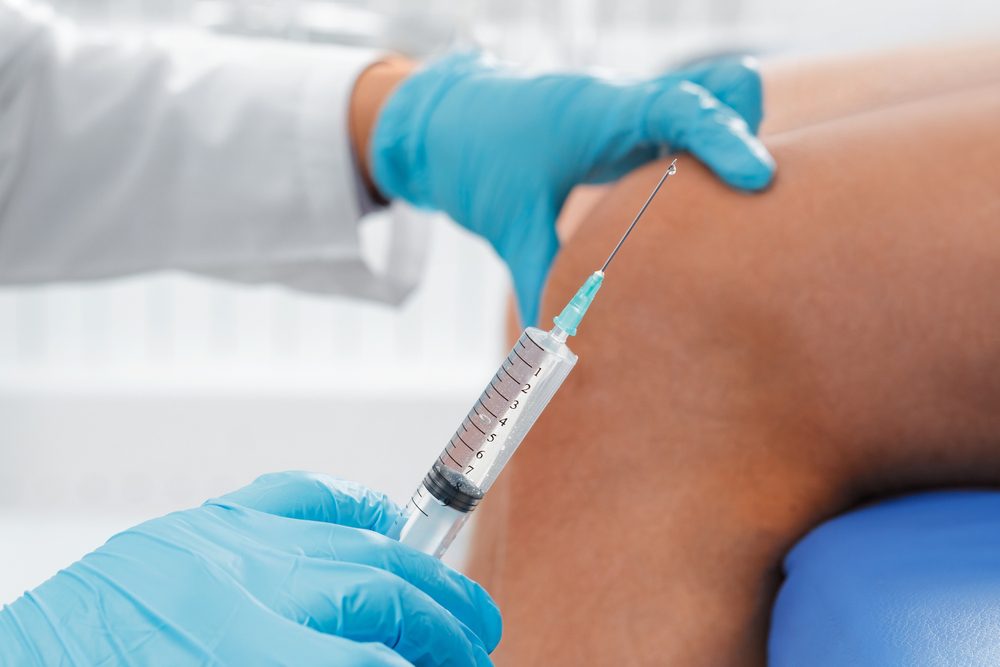
Proper preparation is a key step in ensuring that knee injections deliver the best possible results for managing knee pain and knee osteoarthritis. Before your scheduled treatment, it’s important to have a detailed conversation with your healthcare provider or orthopaedic surgeon. Be sure to share your full medical history, including any allergies, ongoing health conditions, or medications you are currently taking, as these factors can influence both the injection procedure and your overall safety.
Take the opportunity to ask your healthcare professional about the specific type of injection you will receive—whether it’s a corticosteroid injection, hyaluronic acid injection, or platelet rich plasma (PRP) injection. Understanding what to expect during and after the procedure, as well as the potential benefits and risks, will help you feel more confident and informed about your pain management strategies.
On the day of your knee injection, wear loose, comfortable clothing that allows easy access to the knee joint. Since you may experience some discomfort or mild swelling at the injection site, it’s wise to arrange for someone to drive you home, especially if a local anaesthetic is used. After the injection, avoid strenuous activities or heavy exercise for a few days to give the affected joint time to recover and to maximize pain relief.
To help reduce swelling and ease pain, apply an ice pack to the injection site for 15-20 minutes at a time, several times throughout the day. If you experience joint pain or mild discomfort, over-the-counter pain medications such as acetaminophen can be used, but always follow your healthcare provider’s recommendations. In some cases, you may be advised to temporarily stop taking certain medications, like blood thinners, to lower the risk of bleeding or blood clots—always follow your provider’s instructions closely.
By preparing carefully for your knee injections, you can help minimize potential side effects and support the effectiveness of your treatment. Whether you are receiving hyaluronic acid injections, corticosteroid injections, or PRP, these steps can contribute to significant relief from joint pain and improved function. Knee injections are often most effective when combined with other treatments, such as physical therapy, to help manage pain, reduce inflammation, and restore mobility in the knee joint.
Treatments: Types of Knee Injections for Arthritis
Corticosteroid Injections
Corticosteroids are powerful anti-inflammatory medications. Injected directly into the knee, these injections work by reducing inflammation and alleviating pain within the affected joint. They are particularly effective at relieving pain and swelling, with reducing inflammation being a primary mechanism of action. Corticosteroid injections are often used for severe pain when other treatments are insufficient. Sometimes, a single injection is administered for immediate relief, though it may also be part of a series. Relief is often noticed within two to six weeks after the injection. However, effects are usually temporary (weeks to a few months), and repeated use may weaken cartilage over time [3].
Hyaluronic Acid (Viscosupplementation)
Hyaluronic acid is a gel like substance that mimics the joint’s natural environment. It acts as a natural lubricant within the knee joint and serves as a shock absorber to cushion and protect the joint. Hyaluronic acid supplements the knee’s synovial fluid, which deteriorates in osteoarthritis. Injections aim to lubricate the knee, reduce pain, and improve mobility. Evidence suggests modest benefits, particularly in mild to moderate arthritis, with the potential for long lasting relief, with effects lasting up to six months [4].
Platelet-Rich Plasma (PRP) Injections
PRP uses your own blood, processed to concentrate platelets and growth factors, which are then injected into the knee. PRP injections promote healing of damaged tissues in the knee and can also help repair soft tissues surrounding the joint. Studies show PRP can reduce pain and improve function, with benefits often becoming noticeable after a few weeks and lasting up to a year in some patients. PRP is considered safe, with minimal side effects [5].
Prolotherapy
In recent years, Prolotherapy has built its reputation within the medical community for its clinically proven ability to treat knee arthritis.
Published research has proven its pain-relieving, anti-inflammatory and regenerative benefits.
Prolotherapy involves injecting a natural regenerative solution with tiny needles. This has been shown to stimulate the production of collagen cells, the small cells needed to help with knee arthritis.
As prolotherapy is helping to treat the root cause of knee arthritis, it is deemed to be a permanent fix, preventing the symptoms from returning.

Disclaimer: The information provided in this section is for educational purposes only and is not a substitute for professional medical advice, diagnosis, or treatment. Prolotherapy may not be suitable for everyone, and outcomes can vary. Always seek the guidance of a qualified healthcare professional regarding your specific medical condition or treatment options. Never disregard professional medical advice or delay seeking it because of information you have read here.
Case Study: Real Patient Success with Prolotherapy
Patient: Sarah, 58, active runner
Condition: Moderate knee arthritis, unresponsive to physiotherapy and NSAIDs
Treatment: 3 sessions of prolotherapy at ProHealth Clinic
Outcome: Sarah reported a 70% reduction in pain and returned to running within 3 months. She continues to be symptom-free at her 12-month follow-up.
Are Knee Injections Safe?
Most knee injections are considered safe when performed by experienced clinicians. Side effects are rare but may include temporary pain, swelling, or infection. Prolotherapy and PRP use natural substances, reducing the risk of allergic reactions [6].
How to Choose the Right Injection for Knee Arthritis
The best treatment depends on your arthritis severity, overall health, and treatment goals, such as achieving long term pain relief. Patients with advanced arthritis may require more specialized or aggressive treatments, including consideration of surgical options. Emerging therapies like stem cell injections, which are typically derived from the patient’s own bone marrow, may promote tissue regeneration and are considered when conventional therapies are insufficient. A thorough assessment by a qualified practitioner is essential. At ProHealth Clinic, we tailor treatment plans to each patient, often combining therapies for optimal results.
Frequently Asked Questions
How long do knee injections for arthritis last?
Duration varies by treatment. Corticosteroids may last weeks to months, hyaluronic acid up to 6 months, and PRP or prolotherapy can provide relief for a year or longer in some cases.
Are knee injections painful?
Most patients experience only mild discomfort during the procedure. Local anaesthetic is often used to minimise pain.
Can knee injections delay or prevent knee replacement surgery?
Yes, for many patients, injections can significantly reduce pain and improve function, delaying or even avoiding the need for surgery [7].
How many injections will I need?
This depends on the type of injection and your individual response. Prolotherapy and PRP are typically given as a series of 2-4 treatments.
Is prolotherapy suitable for all types of knee arthritis?
Prolotherapy is most effective for osteoarthritis and ligament-related knee pain. A thorough assessment is needed to determine suitability.
Contact ProHealth Clinic Today for Your FREE 15-Minute Discovery Call
Don’t let knee arthritis control your life any longer. Join the thousands of patients who have found lasting relief through prolotherapy at ProHealth Clinic.
Get in Touch
Phone: +441234380345
Email: info@prohealthclinic.co.uk
Our Clinic Locations
London: 104 Harley Street, Marylebone, W1G 7JD
Manchester: The Hadley Clinic, 64 Bridge Street, M3 3BN
Bedford: The Village Medical Centre, Kingswood Way, MK40 4GH
All clinics offer the same award-winning prolotherapy treatment with convenient appointment times, including evenings and weekends.
Author Bio
Having performed over 10,000 procedures, Mr Eaton is one of the UK’s leading practitioners in the field of treating knee arthritis, with patients travelling to see him from across the UK, Europe, and the Middle East.
With over 12 years of clinical experience, Oliver is dedicated to helping patients understand their symptoms associated with knee arthritis and providing effective treatment options to alleviate them.
He qualified in Prolozone Therapy and Prolotherapy in America with the American Academy of Ozonotherapy. He continued on to complete further qualifications at the Royal Society of Medicine, Charing Cross Hospital in London, Keele University’s Anatomy & Surgical Training Centre, and the medical department of Heidelberg University in Germany.
Over the years he has had the privilege of treating many elite-level athletes, including both Olympic and Commonwealth medallists.
Mr Eaton’s expertise has been featured in many national news and media publications, including The Telegraph, The Daily Mail, The Daily Express, Women’s Health Magazine, and The Scotsman.
References
- Hunter DJ, Bierma-Zeinstra S. Osteoarthritis. Lancet. 2019;393(10182):1745-1759. Link
- Bannuru RR, et al. Therapeutic trajectory following intra-articular hyaluronic acid injection in knee osteoarthritis. Osteoarthritis Cartilage. 2011;19(6):611-619. Link
- McAlindon TE, et al. OARSI guidelines for the non-surgical management of knee osteoarthritis. Osteoarthritis Cartilage. 2014;22(3):363-388. Link
- Altman RD, et al. Intra-articular hyaluronic acid injections for knee osteoarthritis: a meta-analysis. J Rheumatol. 2015;42(9):1600-1607. Link
- Laudy ABM, et al. Efficacy of platelet-rich plasma injections in osteoarthritis of the knee: A systematic review and meta-analysis. Br J Sports Med. 2015;49(10):657-672. Link
- Rabago D, et al. Prolotherapy in primary care practice. Prim Care. 2010;37(1):65-80. Link
- Simental-Mendía M, et al. Intra-articular injections for osteoarthritis of the knee: A review of current literature. J Clin Orthop Trauma. 2019;10(1):9-15. Link
Disclaimer: This article is for informational purposes only and does not substitute for professional medical advice. Always consult your healthcare provider before making treatment decisions.