What Causes Knee Swelling?
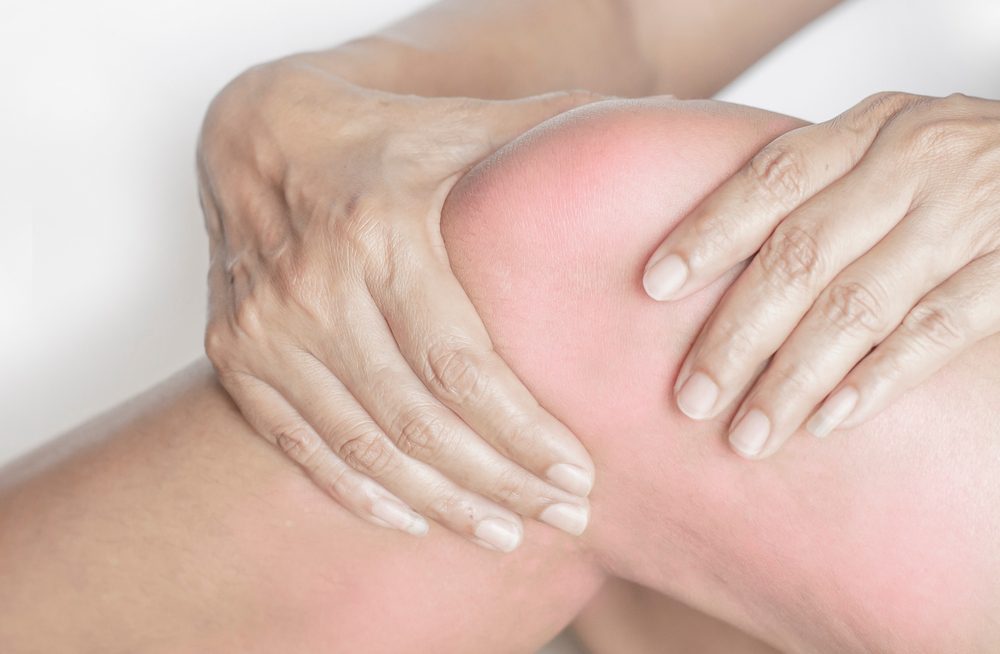
Knee swelling occurs when excess fluid accumulates in or around the knee joint. Common causes include:
- Injury: Ligament sprains, meniscus tears, fractures, or a torn ligament can cause rapid swelling.
- Arthritis: Osteoarthritis, rheumatoid arthritis, and gout (which is caused by uric acid crystals in the joint) are frequent culprits.
- Overuse: Repetitive activities or sudden increases in activity can irritate the joint.
- Infection: Septic arthritis or cellulitis can cause severe swelling and require urgent care.
- Other conditions: Bursitis, tendinitis, or underlying health conditions and health condition.
A physical examination and analysis of joint fluid may be necessary to determine the underlying cause of knee swelling. Identifying the underlying cause, health condition, or health conditions—along with other symptoms—is crucial for choosing the right treatment and preventing further damage.[1]
How to Reduce Knee Swelling Quickly
- Rest: Avoid activities that aggravate the swelling. Give your knee time to heal, and avoid activities that put stress on the knee, such as play sports.
- Ice: Apply an ice pack (wrapped in a towel) to the knee for 15–20 minutes every 2–3 hours to reduce inflammation and numb pain. This form of cold therapy, also known as using cold packs, helps relieve swelling and control pain, especially immediately after injury.
- Compression: Use an elastic bandage or knee sleeve to help control swelling. Ensure it’s snug but not too tight.
- Elevation: Raise your knee above heart level when resting to help drain excess fluid. Elevating the lower leg can further help relieve swelling.
- Anti-inflammatory medication: NSAIDs (like ibuprofen) and other pain relievers can help reduce pain and swelling; many are available over the counter (always follow your healthcare provider’s advice).
- Gentle movement: Once pain subsides, gentle range-of-motion exercises can prevent stiffness.
After the initial swelling has subsided, using a heating pad or taking a warm bath can help relax muscles, ease joint stiffness, and improve blood flow.
If swelling is severe, persistent, or accompanied by fever, redness, or inability to bear weight, seek medical attention promptly.
Case Study: Rapid Recovery from Knee Swelling
A 45-year-old recreational runner began to experience pain and sudden knee swelling after a twisting injury. Initial treatment included rest, ice, compression, and elevation (RICE), along with NSAIDs. After 48 hours, swelling decreased by 60%, and pain was significantly reduced. Physical therapy was started to restore mobility, and the patient returned to running within three weeks. If the patient had experienced increased pain or if symptoms had not improved, seeking medical care would have been necessary. This case highlights the effectiveness of early intervention and a structured recovery plan.
Treatments for Knee Swelling
Conservative Treatments
- Physical therapy: Exercises to restore strength, flexibility, and range of motion.
- Pain management: NSAIDs, acetaminophen, or topical creams for pain relief.
- Weight management: Reduces stress on the knee and helps prevent recurrence.
- Assistive devices: Braces, canes, or crutches for support during recovery.
- Lifestyle changes: Low-impact exercise, balanced diet, and joint protection strategies.
Prolotherapy
In recent years, Prolotherapy has built its reputation within the medical community for its clinically proven ability to treat knee swelling.
Published research has proven its pain-relieving, anti-inflammatory and regenerative benefits.
Prolotherapy involves injecting a natural regenerative solution with tiny needles. This has been shown to stimulate the production of collagen cells, the small cells needed to help with knee swelling.
As prolotherapy is helping to treat the root cause of knee swelling, it is deemed to be a permanent fix, preventing the symptoms from returning.

Disclaimer: The information provided in this section is for educational purposes only and is not a substitute for professional medical advice, diagnosis, or treatment. Prolotherapy may not be suitable for everyone, and outcomes can vary. Always seek the guidance of a qualified healthcare professional regarding your specific medical condition or treatment options. Never disregard professional medical advice or delay seeking it because of information you have read here.
Other Interventions
- Corticosteroid injections: A form of medical intervention for severe or persistent swelling due to inflammation.
- Joint aspiration: Removal of excess fluid from the knee for immediate relief and to help diagnose the underlying cause of swelling.
- Surgery: A medical intervention reserved for cases with structural damage, such as a torn ligament, or when conservative care fails.
Massage and Manual Therapy for Knee Swelling
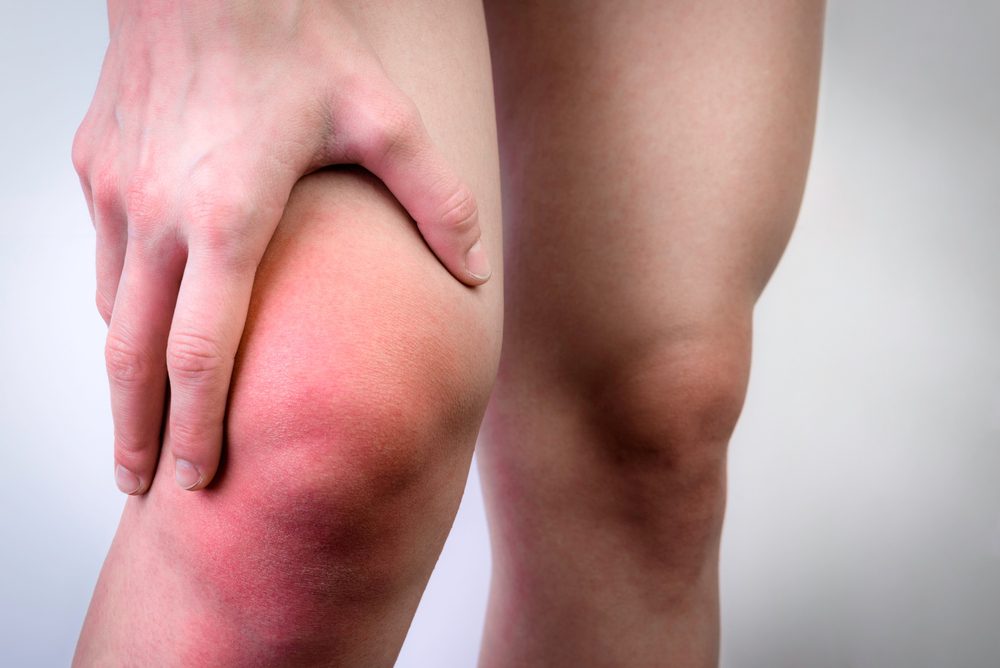
Massage and manual therapy can be valuable tools in managing knee swelling and relieving pain. Gentle massage techniques help stimulate blood flow to the affected area, which can reduce inflammation and promote healing. By encouraging circulation, massage can also help move excess fluid away from the knee, easing swelling and pain. Manual therapy, often provided by a physiotherapist or other healthcare professional, can improve joint mobility and reduce stiffness, making it easier to move the knee comfortably.
It’s important to seek guidance from a healthcare professional to ensure that massage and manual therapy are appropriate for your specific situation, especially if you have a recent injury or severe swelling. These therapies should be used as a complement to other treatments, not as a substitute for medical attention when needed. Regular sessions can help relieve symptoms, support recovery, and contribute to overall knee health.
Assistive Devices and Support
Using assistive devices and support can make a significant difference in managing knee swelling and pain. A knee brace or elastic bandage provides stability to the knee joint, helping to control fluid buildup and reduce discomfort in the affected knee. These supports can also help prevent further injury by limiting excessive movement and protecting the knee during daily activities.
For those experiencing difficulty walking or bearing weight, crutches or a cane can help offload pressure from the knee, allowing it to heal more effectively. Orthotic devices, such as shoe inserts, can redistribute weight and reduce stress on the knee joint, further easing swelling and pain. It’s essential to consult a healthcare professional to determine which assistive devices are best suited to your needs and to ensure they are fitted and used correctly. Proper support can speed up recovery and help you return to normal activities with greater confidence.
Knee Strengthening and Stretching
Incorporating knee strengthening and stretching exercises into your routine is key to relieving knee swelling and pain, as well as preventing future issues. Strengthening the muscles around the knee joint—particularly the quadriceps and hamstrings—provides better support and stability, which can help reduce stress on the knee and minimize swelling. Stretching exercises improve flexibility, decrease stiffness, and enhance overall joint function.
A healthcare professional or physical therapist can recommend specific exercises tailored to your condition and fitness level. It’s important to start with gentle movements and gradually increase intensity to avoid aggravating swelling and pain. Consistent knee strengthening and stretching not only help relieve current symptoms but also improve mobility and reduce the risk of future knee problems.
Weight Management and Hydration
Maintaining a healthy weight and staying well-hydrated are essential steps in managing knee swelling and pain. Carrying excess weight puts additional strain on the knee joint, which can worsen swelling and discomfort. By achieving and maintaining a healthy weight through balanced nutrition and regular physical activity, you can significantly reduce pressure on your knees and support long-term joint health.
Hydration also plays a crucial role in reducing inflammation and flushing out toxins that may contribute to knee swelling. Drinking plenty of water throughout the day helps keep your joints lubricated and can ease symptoms of swelling and pain. Avoiding sugary or dehydrating beverages is also beneficial. If you need guidance on weight management or hydration strategies, a healthcare professional can provide personalized advice to help you relieve knee swelling and improve your overall well-being.
Lifestyle Changes for Prevention
Making thoughtful lifestyle changes can go a long way in preventing knee swelling and pain. Protecting your knee joint starts with avoiding activities that place excessive stress on the knees, such as high-impact sports or repetitive weight-bearing activities. Choosing supportive footwear and using orthotics can help distribute weight more evenly and reduce pressure on the knee joint.
Maintaining a healthy weight, staying hydrated, and engaging in regular, low-impact exercise all contribute to healthy knee joints and lower the risk of injury. It’s also important to avoid sitting or standing for long periods, as this can contribute to swelling and discomfort. By adopting these habits and scheduling regular check-ups with a healthcare professional, you can catch potential issues early and take proactive steps to prevent knee swelling and pain, ensuring better knee health for the future.
Frequently Asked Questions
How long does it take for knee swelling to go down?
Mild swelling may improve within a few days with rest and home care. Severe or chronic swelling may take weeks and require medical treatment.[1]
When should I see a doctor for knee swelling?
Seek medical attention from a medical professional if swelling is severe, persistent, or accompanied by severe pain, fever, redness, inability to bear weight, or other symptoms.
Is prolotherapy safe for knee swelling?
Prolotherapy is considered safe when performed by a qualified practitioner and has shown promising results for knee swelling and joint pain.[2]
Can I exercise with a swollen knee?
Gentle movement is encouraged once pain subsides, but avoid high-impact activities and do not play sports until swelling and pain have resolved. Consult your healthcare provider for personalized advice.
Contact ProHealth Clinic Today for Your FREE 15-Minute Discovery Call
Don’t let knee swelling control your life any longer. Join the thousands of patients who have found lasting relief through prolotherapy at ProHealth Clinic.
Get in Touch
- Phone: +441234380345
- Email: info@prohealthclinic.co.uk
Our Clinic Locations
- London: 104 Harley Street, Marylebone, W1G 7JD
- Manchester: The Hadley Clinic, 64 Bridge Street, M3 3BN
- Bedford: The Village Medical Centre, Kingswood Way, MK40 4GH
All clinics offer the same award-winning prolotherapy treatment with convenient appointment times, including evenings and weekends.
Author Bio
Having performed over 10,000 procedures, Mr Oliver Eaton is one of the UK’s leading practitioners in the field of treating knee swelling, with patients travelling to see him from across the UK, Europe, and the Middle East.
With over 12 years of clinical experience, Oliver is dedicated to helping patients understand their symptoms associated with knee swelling and providing effective treatment options to alleviate them.
He qualified in Prolozone Therapy and Prolotherapy in America with the American Academy of Ozonotherapy. He continued on to complete further qualifications at the Royal Society of Medicine, Charing Cross Hospital in London, Keele University’s Anatomy & Surgical Training Centre, and the medical department of Heidelberg University in Germany.
Over the years he has had the privilege of treating many elite-level athletes, including both Olympic and Commonwealth medallists.
Mr Eaton’s expertise has been featured in many national news and media publications, including The Telegraph, The Daily Mail, The Daily Express, Women’s Health Magazine, and The Scotsman.
References
- Arthritis Foundation. (2023). Swollen Knee. https://www.arthritis.org/health-wellness/about-arthritis/where-it-hurts/knee-pain/swollen-knee
- Rabago, D., et al. (2016). Prolotherapy in Primary Care Practice. Primary Care: Clinics in Office Practice, 43(2), 329-338. https://www.ncbi.nlm.nih.gov/pmc/articles/PMC4913113/
Disclaimer: This article is for informational purposes only and does not substitute for professional medical advice. Always consult your healthcare provider before making treatment decisions.