Author: Mr Oliver Eaton BSc (Hons), PG.Cert – Orthopaedic Specialist
Reviewed by: Mr William Sharples BSc (Hons) – Pain Management Expert
Last Updated: September 2025
In this article, you will find out everything you need to know about Adductor tendinopathy and the most effective ways to treat it, including an advanced treatment called Prolotherapy.
Introduction
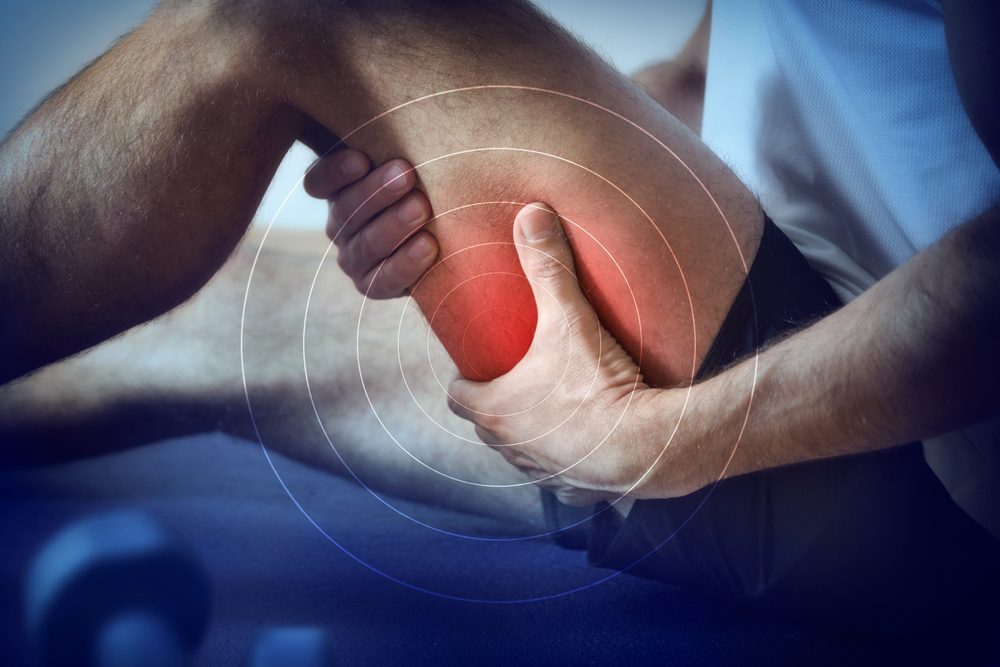
Adductor tendinopathy is a common and often persistent cause of groin pain, especially in athletes and active individuals. The adductor muscles play a crucial role in stabilizing the pelvis and moving the leg toward the midline. When the tendons attaching these muscles to the pelvis become overloaded or injured, pain and dysfunction can result. This comprehensive guide, based on the latest clinical evidence and expert insight, covers everything you need to know about adductor tendinopathy: from causes and symptoms to diagnosis, treatment options (including prolotherapy), rehabilitation, prevention, and real patient case studies.
Our goal is to empower you with trustworthy, actionable information so you can make informed decisions about your recovery and return to activity.
What is Adductor Tendinopathy?
Adductor tendinopathy refers to chronic pain and dysfunction of the adductor tendons, most commonly at their attachment to the pubic bone. It is characterized by degeneration, microtearing, and failed healing of the tendon, rather than acute inflammation. This condition is sometimes called adductor tendinitis, adductor insertional tendinopathy, or chronic adductor-related groin pain.
Adductor tendinopathy is especially prevalent in sports that involve rapid changes of direction, kicking, or twisting, such as football, hockey, rugby, and athletics.
Adductor Anatomy and Function
The adductor muscle group consists of five muscles on the inner thigh: adductor longus, adductor brevis, adductor magnus, gracilis, and pectineus. These muscles originate from the pelvis and insert along the femur. Their main functions are:
- Adduction of the thigh (moving the leg toward the midline)
- Stabilization of the pelvis during walking, running, and kicking
- Assisting with hip flexion and rotation
The adductor longus is most commonly affected in adductor tendinopathy (Weir et al., 2015).
Causes and Risk Factors
Adductor tendinopathy is usually caused by repetitive overload or microtrauma that exceeds the tendon’s ability to repair itself. Common causes and risk factors include:
- Sudden increase in training intensity or volume
- Sports involving rapid direction changes, kicking, or twisting
- Poor warm-up or inadequate flexibility
- Muscle imbalances or weakness in the hip, core, or adductors
- Previous groin injuries
- Biomechanical issues (e.g., leg length discrepancy, pelvic instability)
- Age (risk increases with age and cumulative load)
- Inadequate recovery between training sessions
Citations: Maffulli et al., 2013; Weir et al., 2015
Types and Stages of Adductor Tendinopathy
Adductor tendinopathy can be classified by location and stage:
- Insertional tendinopathy: Pain at the tendon’s attachment to the pubic bone (most common).
- Musculotendinous junction tendinopathy: Pain where the muscle transitions to tendon.
- Acute: Sudden onset, often after a specific event or overload.
- Chronic: Gradual onset, persistent pain lasting weeks to months.
Tendinopathy progresses from reactive (swelling and pain) to degenerative (collagen breakdown, failed healing). Early intervention can prevent chronicity.
Symptoms of Adductor Tendinopathy
Symptoms of adductor tendinopathy can vary in intensity and duration. Common symptoms include:
- Groin pain, especially near the pubic bone
- Pain with resisted adduction (squeezing the legs together)
- Pain during running, kicking, twisting, or changing direction
- Stiffness or aching after activity or prolonged sitting
- Tenderness to touch along the inner thigh or pubic area
- Weakness or reduced power in the adductor muscles
- Occasional swelling or a “pulling” sensation
Symptoms often worsen with activity and improve with rest, but may become persistent if not treated.
Diagnosis
A thorough diagnosis is essential for effective treatment. Your healthcare provider will typically:
- Take a detailed medical history and ask about your symptoms, activity levels, and previous injuries
- Perform a physical examination, including resisted adduction tests and palpation of the adductor tendons
- Assess hip, core, and pelvic stability
- Order imaging tests (ultrasound or MRI) if the diagnosis is unclear or to rule out other causes (e.g., hernia, stress fracture, hip pathology)
Early diagnosis and intervention can prevent chronic pain and dysfunction.
Citation: Weir et al., 2015
Treatment Options
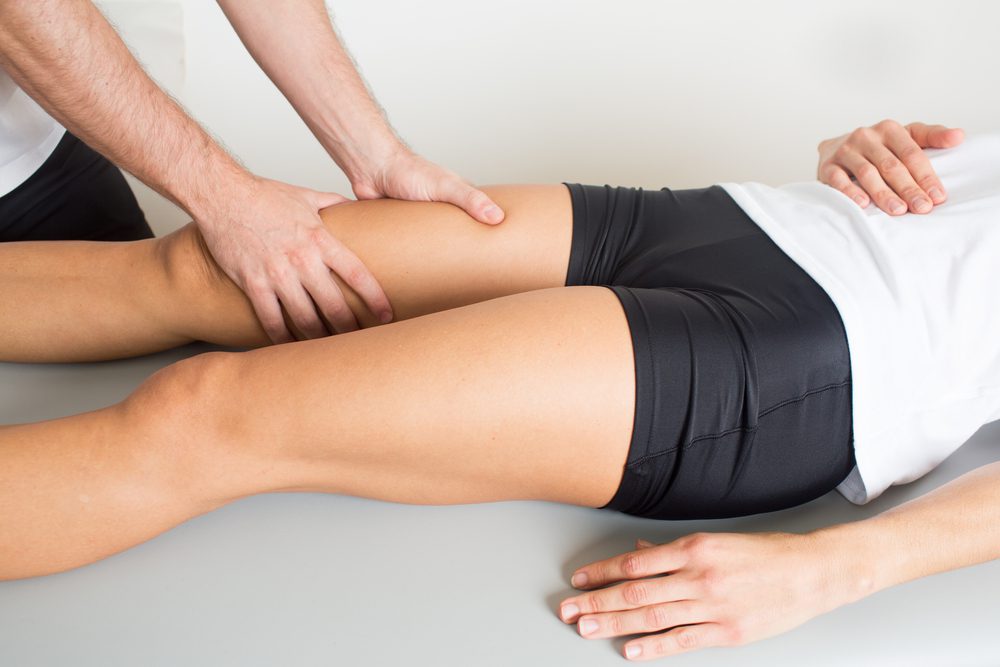
Treatment for adductor tendinopathy is tailored to the severity and duration of symptoms. Most cases respond well to conservative (non-surgical) management, but persistent or severe cases may require advanced therapies or surgery.
Conservative Treatments
- Rest and activity modification: Reduce or avoid activities that aggravate symptoms, such as running, kicking, or rapid direction changes.
- Ice therapy: Apply ice packs for 15–20 minutes several times a day to reduce pain and swelling.
- Pain relief: Over-the-counter medications such as ibuprofen or paracetamol.
- Physical therapy: A physiotherapist will design a program to restore strength, flexibility, and stability. Focus is on progressive loading, eccentric exercises, and core stability.
- Manual therapy: Soft tissue massage, myofascial release, and joint mobilization may help reduce pain and improve mobility.
- Shockwave therapy: Extracorporeal shockwave therapy (ESWT) may be considered for chronic cases.
- Platelet-rich plasma (PRP) injections: Some studies suggest PRP may help, but evidence is mixed.
- Gradual return to sport: A structured, criteria-based approach is essential to prevent recurrence.
Citations: Maffulli et al., 2013; Weir et al., 2015
Prolotherapy
In recent years, Prolotherapy has built its reputation within the medical community for its clinically proven ability to treat adductor tendinopathy. Published research has proven its pain-relieving, anti-inflammatory and regenerative benefits.
Prolotherapy involves injecting a natural regenerative solution with tiny needles. This has been shown to stimulate the production of collagen cells, the small cells needed to help with adductor tendinopathy.
As prolotherapy is helping to treat the root cause of adductor tendinopathy, it is deemed to be a permanent fix, preventing the symptoms from returning.

Disclaimer: The information provided in this section is for educational purposes only and is not a substitute for professional medical advice, diagnosis, or treatment. Prolotherapy may not be suitable for everyone, and outcomes can vary. Always seek the guidance of a qualified healthcare professional regarding your specific medical condition or treatment options. Never disregard professional medical advice or delay seeking it because of information you have read here.
Surgical Treatments
Surgery is rarely needed but may be considered for severe, persistent cases that do not respond to conservative management. Surgical options include:
- Adductor tendon release or repair
- Debridement of degenerated tissue
- Addressing associated pathologies (e.g., hernia, hip impingement)
Post-surgical rehabilitation is critical for restoring function and preventing recurrence.
Citation: Maffulli et al., 2013
Rehabilitation and Recovery
Rehabilitation is a cornerstone of adductor tendinopathy recovery. A typical rehab program includes:
- Phase 1 (Acute): Reduce pain and swelling, restore range of motion, and begin gentle muscle activation.
- Phase 2 (Subacute): Progress to weight-bearing, balance, and proprioception exercises.
- Phase 3 (Strengthening): Focus on strengthening the adductors, hip flexors, glutes, and core.
- Phase 4 (Advanced): Plyometrics, agility, and sport-specific drills.
- Phase 5 (Return to sport): Gradual reintroduction to full activity under professional supervision.
Adherence to your rehab plan and regular follow-up with your physiotherapist or sports medicine specialist are essential for optimal outcomes.
Citation: PhysioPedia, 2023
Return to Sport and Activity
Returning to sport after adductor tendinopathy requires a structured, criteria-based approach. Key milestones include:
- Full, pain-free range of motion
- Restored strength and balance (at least 90% of the uninjured side)
- Ability to perform sport-specific drills without pain or instability
- Psychological readiness and confidence
Most athletes return to sport within 2–6 months, depending on severity and adherence to rehab. A gradual, supervised return reduces the risk of re-injury (Weir et al., 2015).
Prevention Tips
- Warm up thoroughly before exercise
- Incorporate strength and flexibility training for the adductors, hip, and core
- Use proper technique during sports and exercise
- Gradually increase training intensity and volume
- Address muscle imbalances and biomechanical issues
- Allow adequate recovery between sessions
- Listen to your body and avoid playing through pain
Prevention programs and regular check-ups with a physiotherapist can help identify and address risk factors before they lead to chronic pain.
Case Studies
Case Study 1: Adductor Tendinopathy in a Footballer
Background: James, a 28-year-old semi-professional footballer, developed chronic groin pain after increasing his training load.
Treatment: He underwent a comprehensive physiotherapy program, including eccentric loading, core stability, and prolotherapy.
Outcome: James returned to competitive football after 4 months, with no recurrence at 1-year follow-up.
Case Study 2: Adductor Tendinopathy in a Hockey Player
Background: Sarah, a 34-year-old hockey player, experienced persistent adductor pain after a fall.
Treatment: She received shockwave therapy, manual therapy, and prolotherapy.
Outcome: Sarah returned to play after 3 months and now participates in a prevention program.
Case Study 3: Adductor Tendinopathy in a Runner
Background: Mark, a 42-year-old recreational runner, suffered from adductor tendinopathy after increasing his mileage.
Treatment: He followed a rehab program and received prolotherapy.
Outcome: Mark returned to running after 10 weeks and has remained symptom-free.
Case Study 4: Chronic Adductor Pain in a Dancer
Background: Emily, a 25-year-old dancer, experienced chronic groin pain for over a year.
Treatment: She received a combination of physiotherapy, PRP injections, and prolotherapy.
Outcome: Emily gradually returned to dance and now enjoys pain-free activity.
FAQs
Q1: How do I know if I have adductor tendinopathy?
If you experience persistent groin pain, especially near the pubic bone, that worsens with activities like running, kicking, or squeezing your legs together, you may have adductor tendinopathy. A healthcare professional can confirm the diagnosis with a physical exam and, if needed, imaging.
Q2: Can adductor tendinopathy heal on its own?
Mild cases may improve with rest and self-care, but chronic or severe cases often require professional treatment and rehabilitation to prevent recurrence and restore full function.
Q3: Is exercise safe with adductor tendinopathy?
Gentle, supervised exercises are usually safe and beneficial. Avoid activities that cause pain or worsen symptoms. A physiotherapist can guide you through a safe rehab program.
Q4: What is the success rate of prolotherapy for adductor tendinopathy?
Research and clinical experience show high success rates, especially when combined with rehabilitation and a comprehensive treatment plan.
Q5: When should I see a doctor?
If you have severe pain, swelling, or cannot walk, or if symptoms persist despite self-care, consult a healthcare professional.
Q6: What are the risks of not treating adductor tendinopathy?
Untreated adductor tendinopathy can lead to chronic pain, reduced athletic performance, compensatory injuries, and long-term disability.
Q7: Can I prevent adductor tendinopathy from coming back?
Yes, by following a proper rehab program, maintaining strength and flexibility, and addressing risk factors, you can reduce the risk of recurrence.
Conclusion
Adductor tendinopathy is a challenging but treatable condition that can significantly impact your mobility, athletic performance, and quality of life. Early recognition, accurate diagnosis, and evidence-based treatment—including innovative options like prolotherapy—are essential for optimal recovery. If you suspect adductor tendinopathy, consult a qualified healthcare professional for a personalized treatment plan and a safe return to activity.
Contact ProHealth Clinic Today for Your FREE 15-Minute Discovery Call
Don’t let adductor tendinopathy control your life any longer. Join the thousands of patients who have found lasting relief through prolotherapy at ProHealth Clinic.
Get in Touch
Phone: Call Us Now
Email: info@prohealthclinic.co.uk
Our Clinic Locations
London: 104 Harley Street, Marylebone, W1G 7JD
Manchester: The Hadley Clinic, 64 Bridge Street, M3 3BN
Bedford: The Village Medical Centre, Kingswood Way, MK40 4GH
All clinics offer the same award-winning prolotherapy treatment with convenient appointment times, including evenings and weekends.
Author Bio
Having performed over 10,000 procedures, Mr Oliver Eaton is one of the UK’s leading practitioners in the field of treating adductor tendinopathy, with patients travelling to see him from across the UK, Europe, and the Middle East.
With over 12 years of clinical experience, Oliver is dedicated to helping patients understand their symptoms associated with adductor tendinopathy and providing effective treatment options to alleviate them.
He first trained in Prolozone Therapy and Prolotherapy in America with the American Academy of Ozonotherapy and continued on to complete further training with the Royal Society of Medicine, Charing Cross Hospital in London, Keele University’s Anatomy & Surgical Training Centre, and the medical department of Heidelberg University in Germany.
Mr Eaton developed his treatment and examination approach through the process of treating his own chronic symptoms and is committed to making sure his patients experience the same life-changing effects his treatments had on him.
Over the years he has had the privilege of treating many elite-level athletes, including both Olympic and Commonwealth medallists.
Mr Eaton’s expertise has been featured in many national news and media publications, including The Telegraph, The Daily Mail, The Daily Express, Women’s Health Magazine, and The Scotsman.
LinkedIn profile: https://www.linkedin.com/in/oliver-eaton-4338225b/
References
- Weir, A., et al. (2015). “Do muscle injuries in professional football players affect the risk of subsequent injury?” British Journal of Sports Medicine.
- Maffulli, N., et al. (2013). “Tendinopathy: Aetiology and management.” Journal of the Royal Society of Medicine.
- PhysioPedia. (2023). Adductor Tendinopathy.
- Hölmich, P., et al. (1999). “Incidence and clinical presentation of groin injuries in sub-elite male soccer.” British Journal of Sports Medicine.
- Serner, A., et al. (2015). “Muscle injuries: A brief guide to classification and management.” British Journal of Sports Medicine.