Author: Mr Oliver Eaton BSc (Hons), PG.Cert – Orthopaedic Specialist
Reviewed by: Mr William Sharples BSc (Hons) – Pain Management Expert
Last Updated: September 2025
In this article, you will find out everything you need to know about facet joint injections, their use and the most effective alternatives, including an advanced treatment called Prolotherapy.
Key Takeaways
- Facet joint injections diagnose and relieve back pain from facet joint disorders, using anaesthetic and corticosteroid for pain relief.
- The procedure is image-guided, with pre- and post-injection care, and effectiveness varies by patient and spinal pathology.
- Alternatives like prolotherapy, physical therapy, and PRP injections are available for long-term management.
Understanding Facet Joints and Their Role
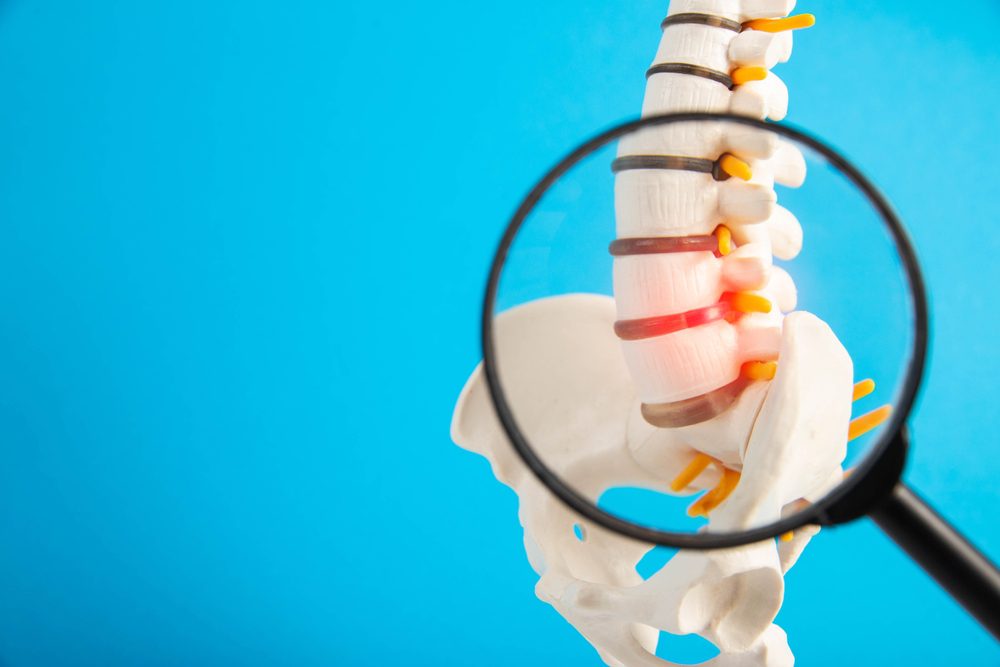
Facet joints are small synovial joints in the spine, lined with cartilage and a synovial membrane. They distribute loads, constrain movement, and provide posterior reinforcement, allowing bending and twisting. Inflammation or degeneration (facet joint arthritis) can cause chronic back pain.
Anatomy of Facet Joints
Facet (zygapophyseal) joints are paired diarthrodial joints between vertebrae. Their orientation varies:
- Cervical: support full range of motion
- Thoracic: allow lateral flexion and rotation
- Lumbar: permit flexion-extension
Each joint is surrounded by connective tissue and synovial fluid for lubrication and flexibility.
Causes of Facet Joint Pain
- Osteoarthritis
- Segmental instability
- Spinal trauma
- Mechanical stress
- Inflammatory diseases (rheumatoid arthritis, ankylosing spondylitis)
Pain may radiate to the foot, leg, buttocks, or lower back, often mimicking sciatica.
Symptoms Related to Facet Joints
Facet joint pain (facet joint syndrome) causes axial neck or back pain, worse with hyperextension, lateral bending, or rotation. Pain is usually above the knee, buttock, groin, or thigh, without neurological deficits.
Types of Facet Joint Injections
Facet joint injections are either diagnostic (anaesthetic only) or therapeutic (anaesthetic + corticosteroid). They can be performed in the cervical, thoracic, or lumbar spine.
Diagnostic Facet Joint Injections
Used to confirm the facet joint as the pain source. An 80% reduction in pain after injection confirms diagnosis and guides further treatment.
Therapeutic Facet Joint Injections
Combine anaesthetic and corticosteroid to reduce inflammation and provide longer-term pain relief. Up to three injections per year may be given.
Alternative Treatment Options
- Heat/cold therapy
- Medications (NSAIDs, muscle relaxants)
- Physical therapy
- Posture correction
- Back braces
- Hyaluronic acid, PRP, or stem cell injections
Prolotherapy
In recent years, Prolotherapy has built its reputation within the medical community for its clinically proven ability to treat back pain.
Published research has proven its pain-relieving, anti-inflammatory and regenerative benefits.
Prolotherapy involves injecting a natural regenerative solution with tiny needles. This has been shown to stimulate the production of collagen cells, the small cells needed to help with back pain.
As prolotherapy is helping to treat the root cause of back pain, it is deemed to be a permanent fix, preventing the symptoms from returning.
 Disclaimer: The information provided in this section is for educational purposes only and is not a substitute for professional medical advice, diagnosis, or treatment. Prolotherapy may not be suitable for everyone, and outcomes can vary. Always seek the guidance of a qualified healthcare professional regarding your specific medical condition or treatment options. Never disregard professional medical advice or delay seeking it because of information you have read here.
Preparing for Your Facet Joint Injection
Preparation includes managing medications (especially blood thinners and diabetes drugs), fasting for 6–8 hours, and reviewing allergies and medical history. Do not drive for 12 hours after the procedure.
The Facet Joint Injection Procedure
The procedure is performed by a multidisciplinary team (pain physician, nurse, pharmacist, imaging technician) and takes less than 30 minutes. It involves:
- Patient positioning (face down for lumbar, side/front for cervical)
- Image guidance (X-ray, ultrasound, or fluoroscopy)
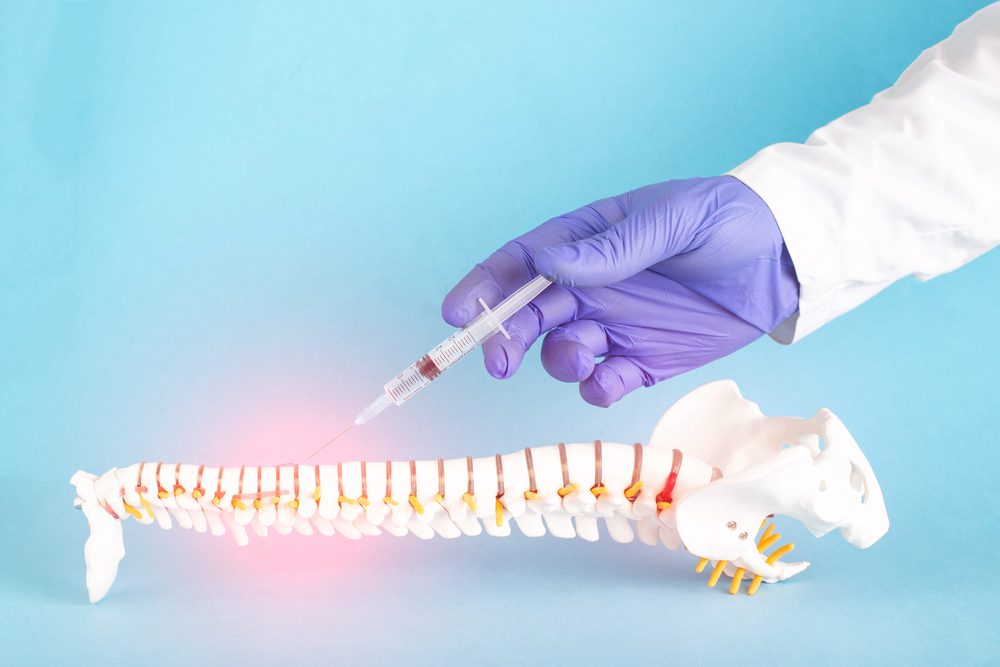
- Injection of anaesthetic and steroid into the facet joint
- Observation for 15–20 minutes post-injection
Post-injection Care and Recovery
Patients are observed for 30–60 minutes after the injection. Use ice for soreness, avoid heat for 72 hours, and rest for the day. Resume normal activities within 24 hours, increasing activity as tolerated.
Potential Side Effects and Risks
- Pain, sensitivity, or inflammation at the injection site
- Bruising, numbness, or mild bleeding
- Rare: infection, hematoma, nerve root irritation, capsule rupture, or intrathecal injection
Seek medical attention for fever, severe pain, redness, swelling, or signs of infection.
Effectiveness and Success Rates
Pain relief lasts 2–4 months for most patients, with success rates between 18% and 81%. Relief may be short-term or long-term, and repeated injections may be needed. Outcomes depend on patient selection, comorbidities, and other spinal conditions.
When to Seek Medical Help After a Facet Joint Injection
- Severe pain, redness, or swelling at the injection site
- Fever, chills, or malaise
- Chest pain or difficulty breathing (possible pneumothorax)
Follow-up appointments are important to assess pain relief and plan further treatment.
Summary
Facet joint injections can provide significant pain relief for back pain, but results vary. Understanding the procedure, risks, and alternatives like prolotherapy helps you make informed decisions. Always consult your healthcare provider for personalized advice.
Frequently Asked Questions
How long do facet joint injections last?
Relief typically lasts 2–4 months, but duration varies by patient.
Are facet joint injections worth it?
They can provide significant pain relief and improve mobility, especially for lower back pain radiating to the buttocks or thighs.
Is a facet joint injection the same as a steroid injection?
Yes, facet joint injections usually contain steroids and anaesthetic to reduce inflammation and pain.
What not to do after facet joint injection?
Avoid driving, strenuous activity, and heat for 24 hours after the procedure.
What are facet joint injections?
They are injections of anaesthetic and steroid into the facet joint to diagnose and treat back pain.
Contact ProHealth Clinic Today for Your FREE 15-Minute Discovery Call
Don’t let back pain control your life any longer. Join the thousands of patients who have found lasting relief through prolotherapy at ProHealth Clinic.
Get in Touch
Phone: +441234380345
Email: info@prohealthclinic.co.uk
Our Clinic Locations
London: 104 Harley Street, Marylebone, W1G 7JD
Manchester: The Hadley Clinic, 64 Bridge Street, M3 3BN
Bedford: The Village Medical Centre, Kingswood Way, MK40 4GH
All clinics offer the same award-winning prolotherapy treatment with convenient appointment times, including evenings and weekends.
Author Bio
Having performed over 10,000 procedures, Mr Oliver Eaton is one of the UK’s leading practitioners in the field of treating back pain, with patients travelling to see him from across the UK, Europe, and the Middle East.
With over 12 years of clinical experience, Oliver is dedicated to helping patients understand their symptoms associated with back pain and providing effective treatment options to alleviate them.
He qualified in Prolozone Therapy and Prolotherapy in America with the American Academy of Ozonotherapy. He continued on to complete further qualifications at the Royal Society of Medicine, Charing Cross Hospital in London, Keele University’s Anatomy & Surgical Training Centre, and the medical department of Heidelberg University in Germany.
Mr Eaton’s expertise has been featured in many national news and media publications, including The Telegraph, The Daily Mail, The Daily Express, Women’s Health Magazine, and The Scotsman.
Over the years he has had the privilege of treating many elite-level athletes, including both Olympic and Commonwealth medallists.
LinkedIn profile
References
- Manchikanti L, et al. (2015). Facet joint pain and the role of facet joint injections. Pain Physician, 18(4), E535-E582.
- Hauser, R. A., et al. (2011). Prolotherapy for musculoskeletal pain and injury. Curr Sports Med Rep, 10(5), 255-259.
- ProHealth Clinic. Understanding Facet Joint Injection: A Comprehensive Guide to Pain Relief. prohealthclinic.co.uk
- Case studies and further reading available upon request.
Disclaimer: This article is for informational purposes only and does not substitute for professional medical advice. Always consult your healthcare provider before making treatment decisions.