Author: Mr Oliver Eaton BSc (Hons), PG.Cert – Orthopaedic Specialist
Reviewed by: Mr William Sharples BSc (Hons) – Pain Management Expert
Last Updated: September 2025
In this article, you will find out everything you need to know about spinal decompression and the most effective alternatives, including an advanced treatment called Prolotherapy.
Table of Contents
- Introduction
- What is Spinal Decompression?
- Does Spinal Decompression Work?
- What Happens During Spinal Decompression?
- Natural Ways to Decompress Your Spine
- Risks and Side Effects
- Do You Need Spinal Decompression?
- Case Study: Successful Spinal Decompression
- FAQs
- Contact ProHealth Clinic
- Author Bio
- References

Before committing to lumbar decompression surgery or resigning yourself to chronic spinal pain from a slipped or herniated disc, it’s important to explore non-surgical spinal decompression therapy. A slipped disc (also known as a herniated or prolapsed disc) can put pressure on the spinal nerves or sciatic nerve, leading to pain and related symptoms. This safe, non-invasive treatment option has helped thousands of patients manage pain, avoid surgery, and regain quality of life.
Spinal decompression therapy can often relieve long-term pain caused by disc injuries, nerve compression, or degenerative spine conditions. By reducing the pressure on spinal nerves, spinal decompression therapy works by taking pressure off the spinal disks and nerves, creating negative pressure within the discs to help retract herniated disks or damaged disc material and relieve nerve pressure. This treatment addresses the root causes of spinal pain, helping to relieve symptoms such as leg pain, numbness, and other related symptoms, rather than just masking symptoms.
What is Spinal Decompression?
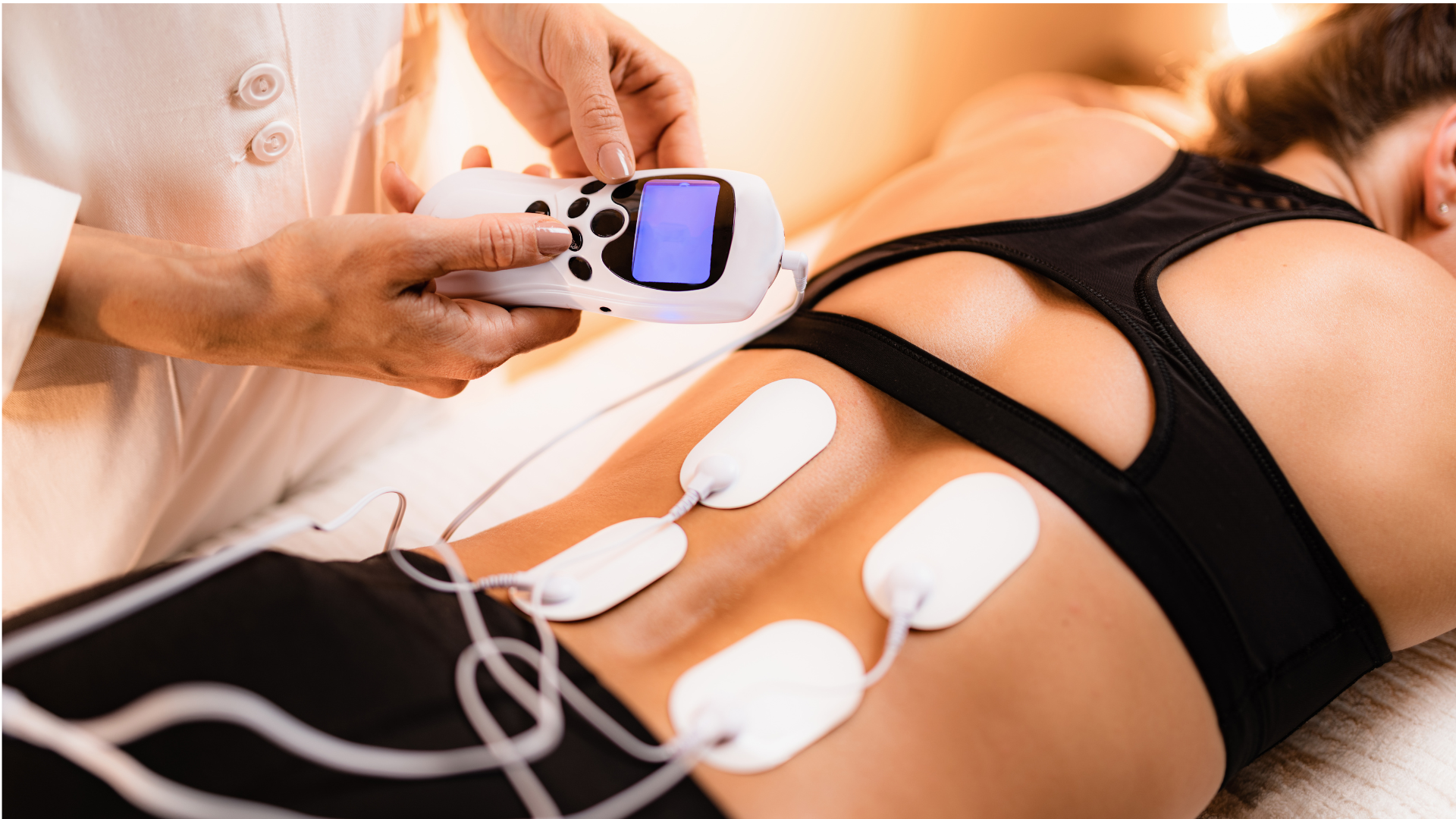
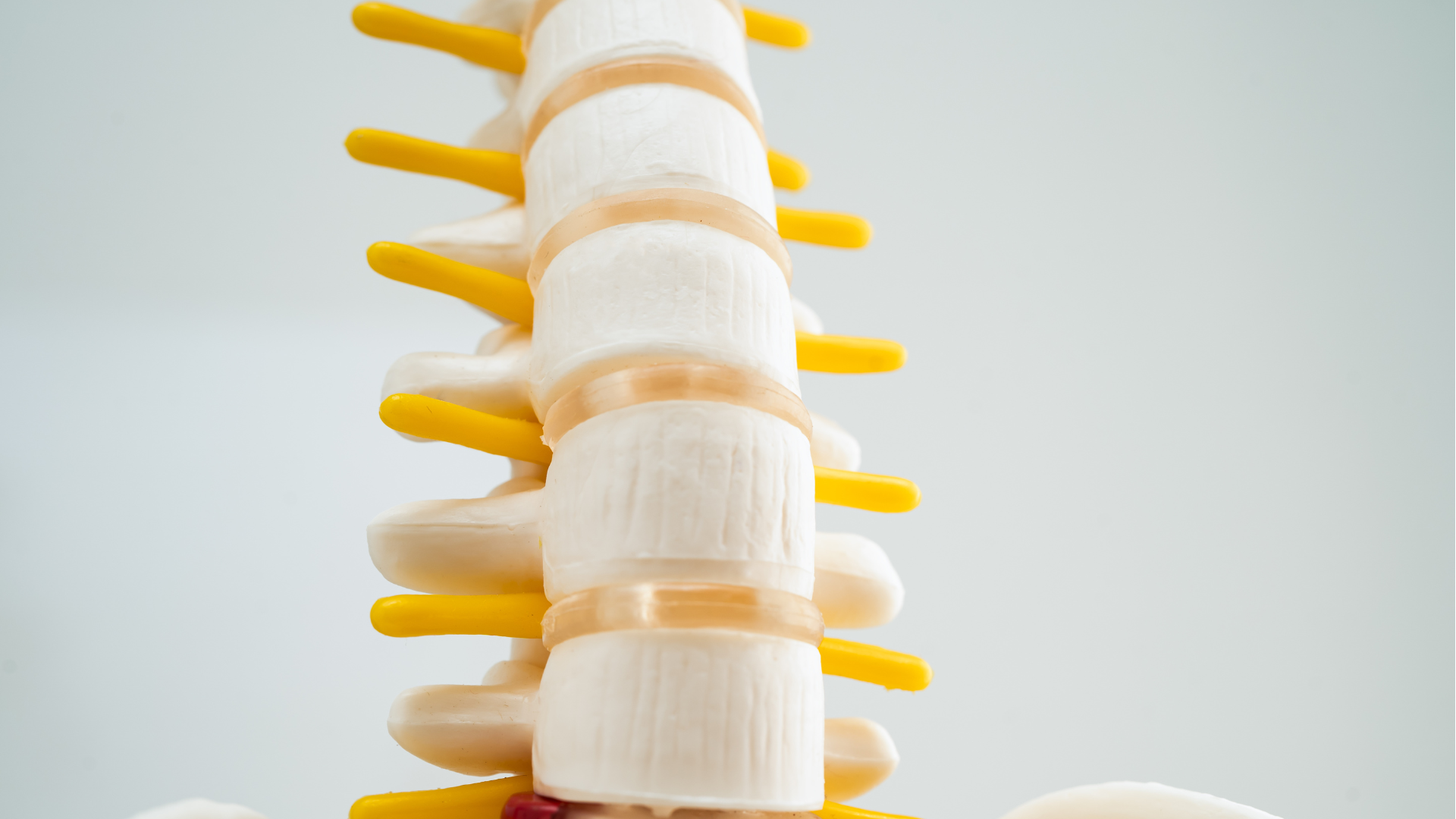
Spinal decompression is a non-surgical therapy or minimally invasive procedure (non surgical methods are often considered before surgery) designed to reduce pressure on spinal nerves. It is frequently used to treat spinal pain caused by herniated discs, degenerative disc disease, spinal stenosis, or nerve compression. The therapy works by gently stretching the spine, creating negative intradiscal pressure—this negative pressure helps relieve nerve pressure and can be achieved through the following procedures: traction, microdiscectomy, and laminectomy—helping to reposition herniated or bulging disc material, reducing pain and inflammation.
How Spinal Decompression Helps
As spinal discs age, they lose hydration and cushioning ability, and changes in the spinal column and surrounding tissue can contribute to nerve compression and pain. Spinal decompression therapy gently stretches the spine, which also helps relieve pressure on the spinal cord and surrounding soft tissue, promoting fluid exchange, enhancing blood flow, and lowering disc pressure. This relieves nerve compression, reduces inflammation, and improves mobility.
Spinal Decompression Reduces Nerve Pressure
By reducing disc pressure, spinal decompression creates space for the herniated disc material to retract, relieving pressure on the nerve roots. Patients with persistent spinal pain, which can result from ongoing compression of nerve roots, often experience significant relief, as decompression can relieve pressure on the affected nerves, without the need for spinal fusion surgery.
Adjunct Therapies to Support Recovery
To enhance recovery, spinal decompression may be combined with additional therapies such as:
- Heat therapy
- Cold therapy
- Electrostimulation
Does Spinal Decompression Work?

Yes, clinical studies show that spinal decompression is effective for many patients. According to published literature, over 75% of patients report significant pain relief and functional improvement after completing a decompression program [1], with many able to resume normal activities and return to an active lifestyle as their treatment helps relieve symptoms.
Safe and Non-Invasive
Unlike surgical interventions, non-surgical decompression is a safe, non-invasive treatment that avoids the risks of anesthesia and long recovery times. It can be an excellent option for patients with spinal pain not relieved by medications or injections.
What Happens During Spinal Decompression?
During treatment, patients lie on a decompression table connected to a computer-controlled traction system. The device gently applies precise pulling forces to the spine, taking pressure off the spinal disks and creating negative pressure within the discs, allowing discs to realign and reducing nerve compression. This helps relieve nerve pressure and promotes healing. The process is comfortable and most patients describe the sensation as a gentle stretching.
Natural Ways to Decompress Your Spine
Bar Hang-Ups
Hanging from a pull-up bar for 20–30 seconds can naturally decompress your spine.
Cat-Cow Yoga Pose
This classic yoga movement improves spinal flexibility and reduces stiffness.
Child’s Pose
A gentle stretch that elongates the spine and promotes relaxation.
Prayer Stretch
A floor-based stretch that helps lengthen spinal muscles.
Positional Decompression
Lying flat on your back with legs elevated on a chair can reduce spinal pressure.
Risks and Side Effects
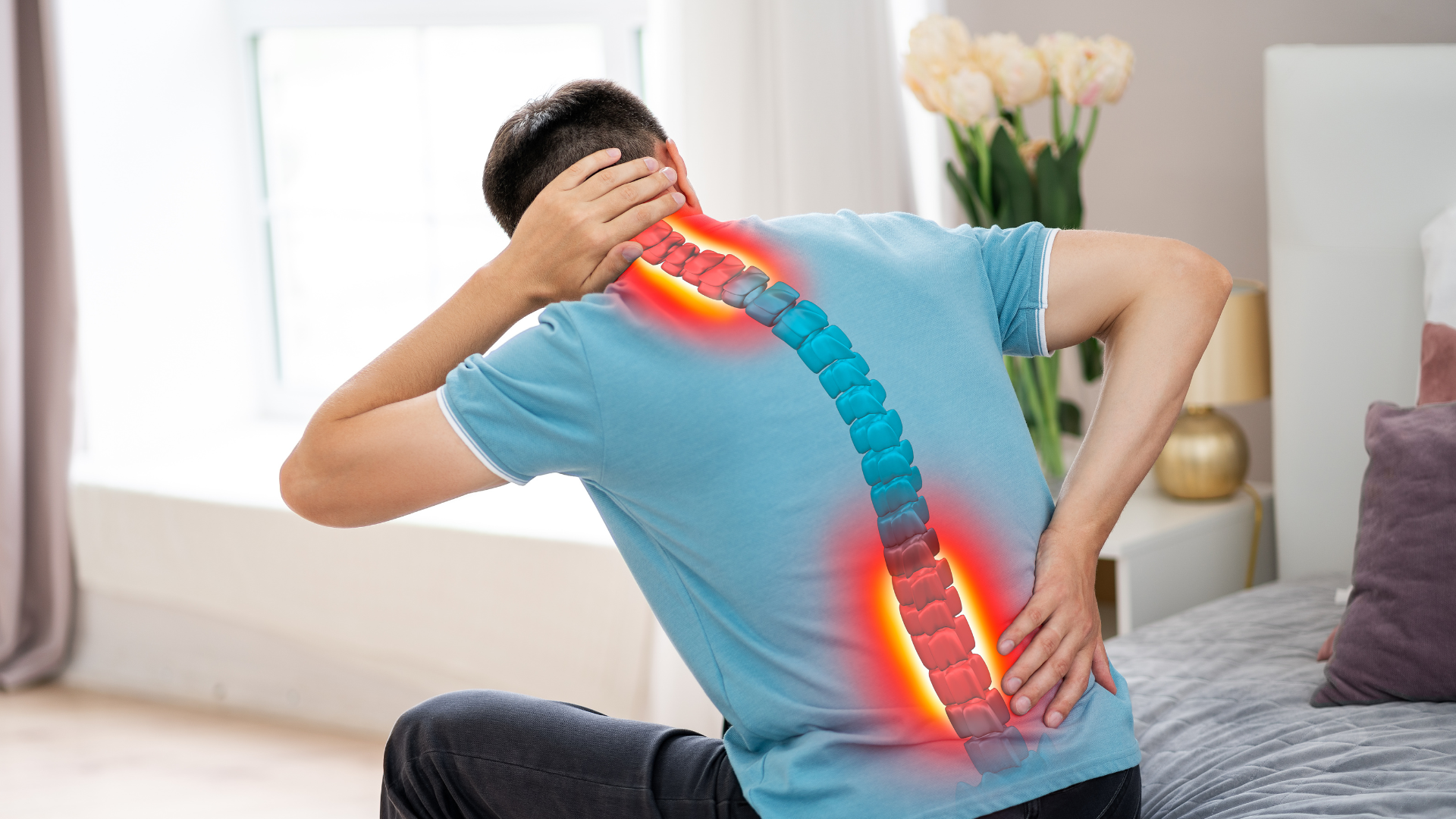
While generally safe, patients should be aware of potential risks associated with spinal decompression procedures. While rare, complications such as significant bleeding, blood clots, or infection at the surgical site can occur, especially in surgical spinal decompression.
Rare risks include worsening pain, and persistent pain may result from nerve injury or other complications, in cases of vertebral fractures or patients with pre-existing conditions like severe osteoporosis. Spinal decompression is not recommended during pregnancy.
In some cases, further surgery or other forms of spinal surgery may be required if initial treatments are unsuccessful.
Do You Need Spinal Decompression?
You may benefit from spinal decompression if you experience:
- Persistent spinal pain or stiffness
- Tingling, numbness, or leg pain in legs (sciatica)
- Pain caused by a slipped or herniated disc in the affected area, which may involve compression of the spinal cord or nerves
- Age-related spinal degeneration
- Limited mobility or discomfort that worsens with activity
Prolotherapy
In recent years, Prolotherapy has built its reputation within the medical community for its clinically proven ability to treat spinal pain. Published research has proven its pain-relieving, anti-inflammatory and regenerative benefits. Prolotherapy involves injecting a natural regenerative solution with tiny needles. This has been shown to stimulate the production of collagen cells, the small cells needed to help with spinal pain.
As prolotherapy is helping to treat the root cause of spinal pain, it is deemed to be a permanent fix, preventing the symptoms from returning.

Disclaimer: The information provided in this section is for educational purposes only and is not a substitute for professional medical advice, diagnosis, or treatment. Prolotherapy may not be suitable for everyone, and outcomes can vary. Always seek the guidance of a qualified healthcare professional regarding your specific medical condition or treatment options. Never disregard professional medical advice or delay seeking it because of information you have read here.
Case Study: Successful Spinal Decompression
A 52-year-old patient with chronic spinal pain due to a herniated lumbar disc reported 80% pain reduction after 8 weeks of spinal decompression therapy, with most patients beginning to see improvement within a few weeks of starting treatment, combined with physiotherapy [2]. They were able to return to work without surgery, highlighting the effectiveness of this treatment approach.
FAQs
Is spinal decompression safe?
Yes, when performed under medical supervision, spinal decompression is safe and non-invasive.
How long does each session last?
Sessions typically last 20–45 minutes and are often recommended 2–3 times per week.
How many treatments are needed?
Most patients notice improvement after 4–6 sessions, with full benefits seen after 12–20 sessions.
Can spinal decompression replace surgery?
For many patients, spinal decompression provides sufficient relief to avoid surgery, though severe cases may still require surgical intervention.
Is spinal decompression covered by insurance?
Coverage varies by provider. Patients should check with their insurance company.
Contact ProHealth Clinic Today for Your FREE 15-Minute Discovery Call
Don’t let spinal pain control your life any longer. Join the thousands of patients who have found lasting relief through prolotherapy at ProHealth Clinic.
Get in Touch
Phone: +441234380345
Email: info@prohealthclinic.co.uk
Our Clinic Locations
London: 104 Harley Street, Marylebone, W1G 7JD
Manchester: The Hadley Clinic, 64 Bridge Street, M3 3BN
Bedford: The Village Medical Centre, Kingswood Way, MK40 4GH
All clinics offer the same award-winning prolotherapy treatment with convenient appointment times, including evenings and weekends.
Author Bio
Having performed over 10,000 procedures, Mr. Oliver Eaton is one of the UK’s leading practitioners in the field of treating spinal pain, with patients travelling from across the UK, Europe, and the Middle East.
With over 12 years of clinical experience, Oliver is dedicated to helping patients understand their symptoms associated with spinal pain and providing effective treatment options. He trained in Prolozone Therapy and Prolotherapy in America with the American Academy of Ozonotherapy, later expanding his expertise at the Royal Society of Medicine, Charing Cross Hospital in London, Keele University’s Anatomy & Surgical Training Centre, and Heidelberg University in Germany.
He has treated elite-level athletes, including Olympic and Commonwealth medallists.
Connect with Oliver on LinkedIn.
Mr Eaton’s expertise has been featured in many national news and media publications, including The Telegraph, The Daily Mail, The Daily Express, Women’s Health Magazine, and The Scotsman.
References
- Chou R, et al. Non-surgical treatments for low back pain: A clinical practice guideline from the American College of Physicians. Ann Intern Med. 2017.
- Macario A, et al. Spinal decompression therapy for low back pain: Evidence-based review. Pain Physician Journal. 2008.
- Cleveland Clinic. Spinal Decompression Therapy. Updated 2023. Cleveland Clinic.
Disclaimer: This article is for informational purposes only and does not substitute for professional medical advice. Always consult your healthcare provider before making treatment decisions.