Reviewed by: Mr William Sharples BSc (Hons) – Pain Management Expert
Last Updated: September 2025
 Calcific tendonitis is a chronic condition where calcium deposits accumulate in the tendons, most commonly in the shoulder. Tendons connect muscles to bones, and when they degenerate, calcium can build up, causing pain and inflammation. The condition is most often diagnosed in people aged 40–60, with women more frequently affected. (survey)Calcific tendonitis is a major cause of shoulder pain, with a prevalence of 42.5% in patients with subacromial pain syndrome (SAPS). (study)
Calcific Tendonitis Vs. Frozen Shoulder (Adhesive Capsulitis)

Frozen shoulder is an acute condition caused by thickening and tightening of the shoulder capsule, while calcific tendonitis is due to calcium deposits in the tendon. Both can co-occur, leading to severe, unresolved pain. (study)
Calcific Tendonitis and Subacromial Pain Syndrome
Subacromial pain syndrome (SAPS) is a leading cause of shoulder pain, especially during overhead activities. While SAPS and rotator cuff tendinitis are often confused, SAPS pain frequently radiates to the neck, whereas calcific tendonitis pain is more localized to the shoulder.
Stages of Calcific Tendinitis
Calcific tendonitis progresses through several stages:
- Pre-calcific stage: Cellular changes in the tendon, usually painless.
- Calcific stage: Calcium deposits form, causing pain and reduced motion. Includes formative and resting phases.
- Resorptive phase: The body attempts to clear calcium deposits, leading to increased pain and inflammation. (highlight)
- Post-calcific stage: Tendon remodeling and healing, with symptoms subsiding.
Signs and Symptoms
Calcific tendonitis is often asymptomatic, but when symptoms occur, they may include:
- Shoulder pain: Severe, acute pain, especially when raising the arm or reaching behind the back. (study)
- Decreased range of motion: Pain limits movement and impacts quality of life.
- Shoulder tenderness: Pain and reduced mobility on palpation.
- Sleep disturbance: Night pain disrupts rest and work efficiency.
Causes and Risk Factors

Calcific tendonitis most commonly affects the rotator cuff tendons (supraspinatus and infraspinatus) in the shoulder. It is a degenerative disorder, often linked to tendon degeneration, overuse, abnormal thyroid activity, diabetes, and genetic predisposition. Women aged 30–60 are at higher risk. (study)
It can also affect athletes, musicians, and those with repetitive shoulder activity.
Diagnosis
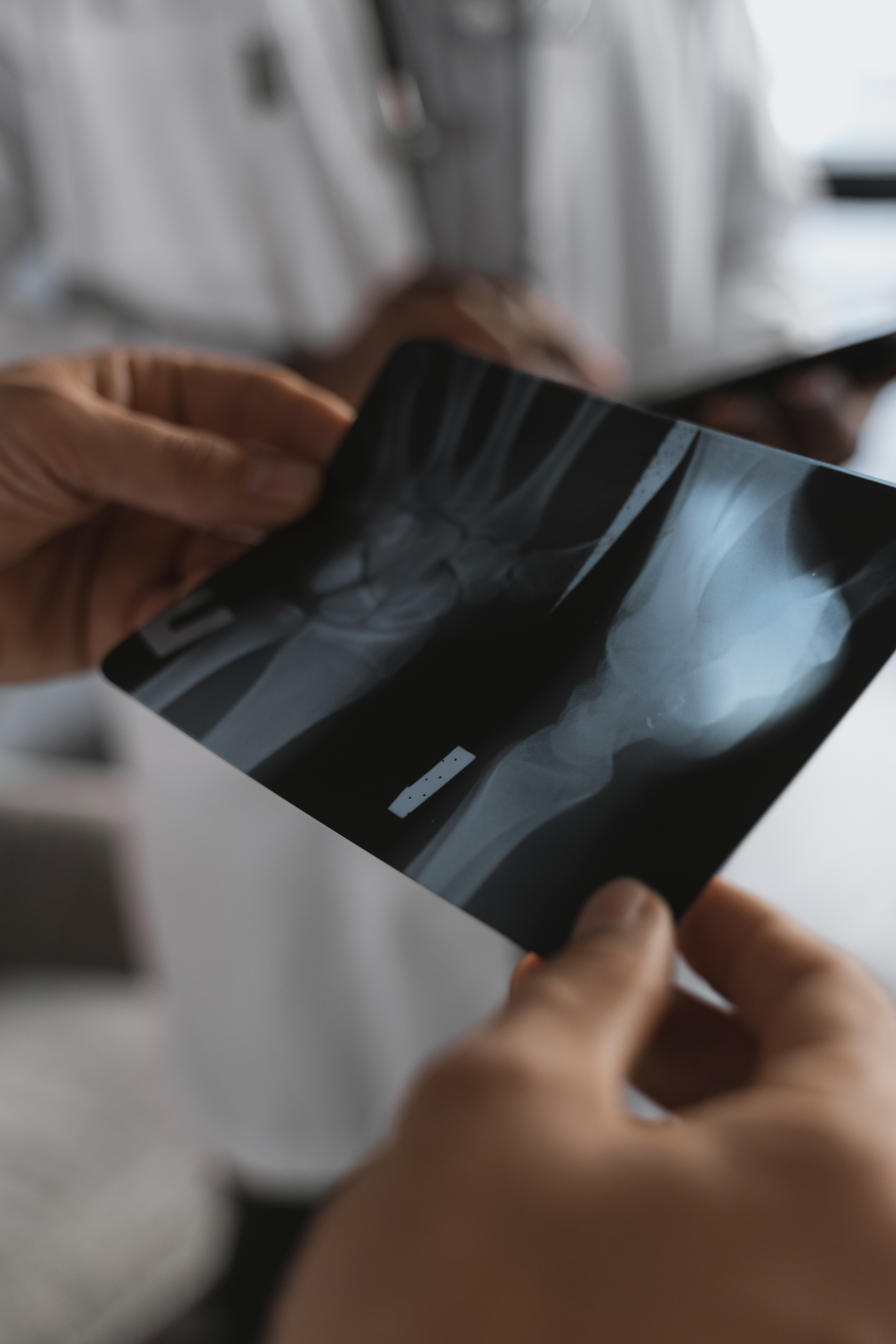
Diagnosis involves a medical history, physical exam, and imaging (X-ray for large deposits, ultrasound for small deposits). Accurate diagnosis guides effective treatment.
Treatment
Calcific tendonitis is often self-limiting, but treatment is needed for persistent or severe cases.
Home Management

- Rest and ice: Reduce inflammation and promote healing.
- Immobilization: Use a sling to protect the joint, but avoid complete immobility.
- Pendulum exercises: Gentle movement to improve mobility and reduce pain.
Conservative Treatment
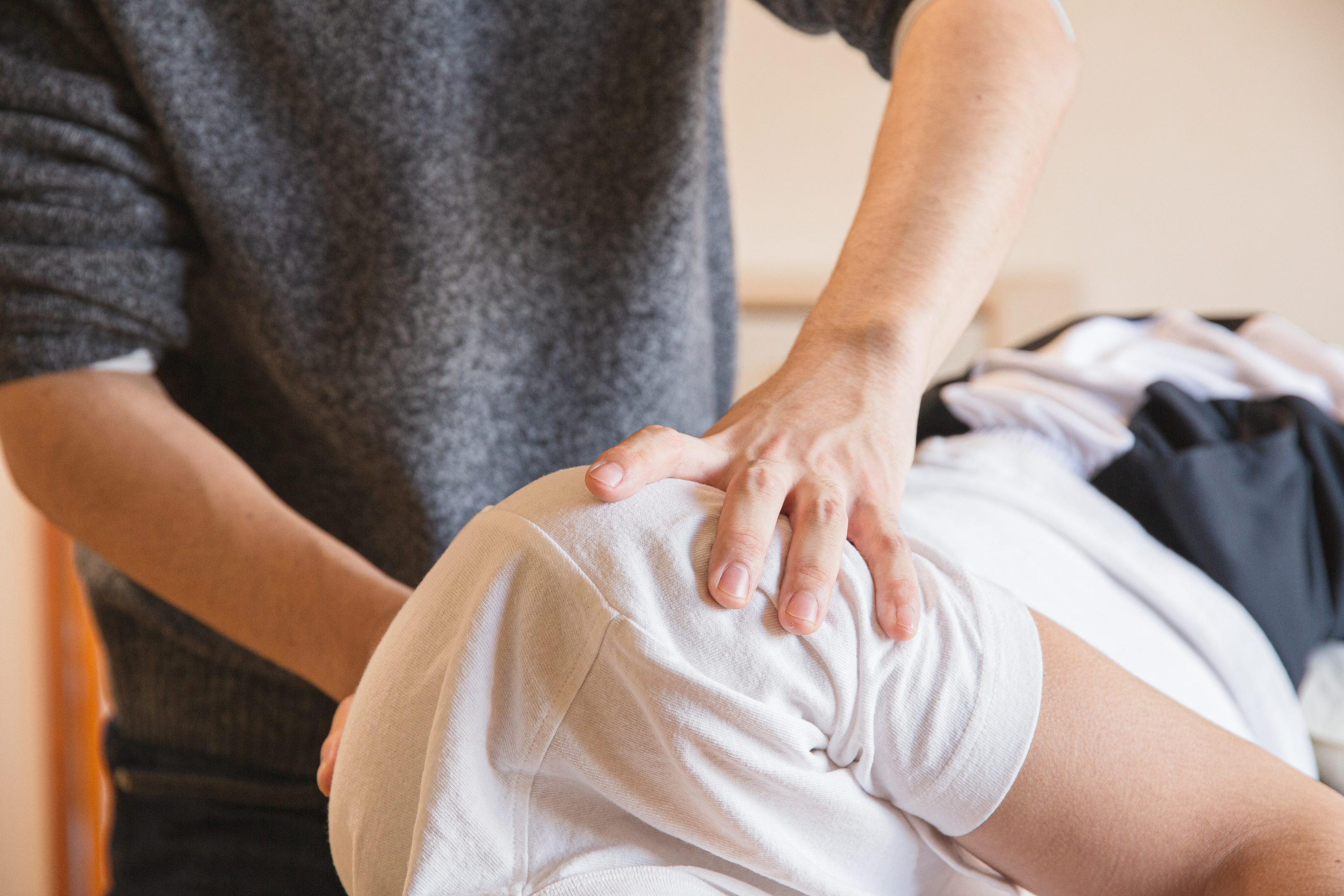
- Physical therapy: Exercise and therapy improve blood flow, mobility, and calcium removal.
- Medications: NSAIDs and steroid injections for pain and inflammation.
- Steroid injections: Reserved for severe cases to reduce inflammation.
- Percutaneous needling (ultrasound-guided lavage): Fine needles irrigate and remove calcium deposits under ultrasound guidance. (study)
- Shockwave therapy: Radial and extracorporeal shockwave therapy break down calcium deposits and promote healing. (study, study, review)
Prolotherapy
In recent years, Prolotherapy has built its reputation within the medical community for its clinically proven ability to treat calcific tendonitis. Published research has proven its pain-relieving, anti-inflammatory, and regenerative benefits. Prolotherapy involves injecting a natural regenerative solution with tiny needles. This has been shown to stimulate the production of collagen cells, the small cells needed to help with calcific tendonitis. As prolotherapy is helping to treat the root cause of calcific tendonitis, it is deemed to be a permanent fix, preventing the symptoms from returning.

Surgical Treatment
- Arthroscopic surgery: Removal of calcific deposits to relieve pain and restore motion. (study)
- Subacromial decompression: Smoothing bone spurs; not always effective for calcific tendonitis. (study)
- Recent research suggests arthroscopic treatment and subacromial decompression without debridement can resolve symptoms. (2023 study)
Frequently Asked Questions
How do you treat calcific tendonitis?
Rest, ice, pendulum exercises, painkillers, physical therapy, shockwave therapy, ultrasound-guided needle lavage, and in some cases, arthroscopic surgery are all effective treatments. Prolotherapy is an advanced regenerative option that addresses the root cause.
What triggers calcific tendonitis?
Triggers include repetitive overuse, aging, hormonal imbalances, trauma, injury, and genetic predisposition. Women aged 30–60 and people with thyroid disorders or diabetes are at higher risk.
What makes calcific tendonitis worse?
Continued overuse, repetitive shoulder activity, and ignoring early symptoms can worsen inflammation and calcium buildup, leading to more severe pain and limited mobility.
How long does it take to recover from calcific tendonitis?
Most cases resolve within 1 to 6 weeks, but complete resorption of calcium deposits can take several months. Some cases may become chronic and require intervention.
What are the three stages of calcific tendonitis?
The three main stages are: pre-calcific (cellular changes, no symptoms), calcific (formative and resorptive phases, symptoms arise), and post-calcific (healing and symptom resolution).
Can calcific tendonitis go away on its own? Is it permanent?
About 90% of cases resolve spontaneously without intervention. However, persistent or severe cases may require medical or surgical treatment.
Contact ProHealth Clinic Today for Your FREE 15-Minute Discovery Call
Don’t let calcific tendonitis control your life any longer. Join the thousands of patients who have found lasting relief through prolotherapy at ProHealth Clinic.
Get in Touch
- Phone: +441234380345
- Email: info@prohealthclinic.co.uk
Our Clinic Locations
- London: 104 Harley Street, Marylebone, W1G 7JD
- Manchester: The Hadley Clinic, 64 Bridge Street, M3 3BN
- Bedford: The Village Medical Centre, Kingswood Way, MK40 4GH
All clinics offer the same award-winning prolotherapy treatment with convenient appointment times, including evenings and weekends.
Author Bio
Having performed over 10,000 procedures, Mr Oliver Eaton is one of the UK’s leading practitioners in the field of treating calcific tendonitis, with patients travelling to see him from across the UK, Europe, and the Middle East.
With over 12 years of clinical experience, Oliver is dedicated to helping patients understand their symptoms associated with calcific tendonitis and providing effective treatment options to alleviate them.
He qualified in Prolozone Therapy and Prolotherapy in America with the American Academy of Ozonotherapy. He continued on to complete further qualifications at the Royal Society of Medicine, Charing Cross Hospital in London, Keele University’s Anatomy & Surgical Training Centre, and the medical department of Heidelberg University in Germany.
Over the years he has had the privilege of treating many elite-level athletes, including both Olympic and Commonwealth medallists.
Mr Eaton’s expertise has been featured in many national news and media publications, including The Telegraph, The Daily Mail, The Daily Express, Women’s Health Magazine, and The Scotsman.
References
- Incidence of shoulder tendinitis
- Prevalence in SAPS
- Combined treatment for frozen shoulder and calcific tendinopathy
- Stages of calcific tendonitis
- Severe shoulder pain in calcific tendonitis
- Calcific tendonitis in athletes and musicians
- Ultrasound-guided lavage
- Radial shockwave therapy
- Extracorporeal shockwave therapy
- Review of shockwave therapy
- Arthroscopic surgery for calcific tendonitis
- Subacromial decompression
- Calcific deposit debridement
- 2023 study on arthroscopic treatment
Disclaimer: This article is for informational purposes only and does not substitute for professional medical advice. Always consult your healthcare provider before making treatment decisions.