Table of Contents
- Understanding Herniated Discs in the Cervical Spine
- Understanding the Anatomy of the Cervical Disc
- Symptoms of a Herniated Disc in the Neck
- Diagnosis of Herniated Discs
- Treatment Options for Herniated Disc in the Neck
- Long-Term Effects of a Herniated Disc
- Case Study: Long-Term Recovery
- Factors Influencing Long-Term Outcomes
- The Importance of Early Intervention
- Preventing Further Complications
- When to Seek Medical Help
- Frequently Asked Questions
Understanding Herniated Discs in the Cervical Spine

A herniated disc in the neck, particularly at the C5-C6 level, occurs when the soft, gel-like center of a cervical disc pushes through a tear in its tougher outer layer. A herniated disc occurs most often due to age-related degeneration, trauma, or repetitive strain, leading to displacement of disc material and nerve compression. The C5 C6 herniated disc is especially prevalent, as this level is a common site for disc herniation in the cervical spine.
This condition can lead to nerve compression, resulting in pain, numbness, tingling, or weakness in the arms, shoulders, and hands. Cervical herniated disc symptoms typically include radiating neck pain, arm weakness, numbness, and tingling, depending on the affected nerve root. Uncomfortable symptoms such as persistent pain, muscle weakness, and sensory disturbances are frequently reported.
Understanding the Anatomy of the Cervical Disc
The cervical disc, or intervertebral disc, is a vital structure located between each of the cervical vertebrae in your neck. These discs act as shock absorbers, cushioning the bones and allowing for smooth, flexible movement of the neck. Each cervical disc is made up of a tough outer ring called the annulus fibrosus, which surrounds a soft, gel-like center known as the nucleus pulposus. The spinal cord and spinal nerves travel through the spinal canal, a protective passage formed by the vertebrae and discs. When a herniated disc occurs, the gel-like center pushes through a tear in the outer ring, often compressing the spinal nerves or even the spinal cord itself. This can result in chronic pain, muscle weakness, and a range of neurological symptoms, depending on the location and severity of the herniation. Understanding the anatomy of the cervical disc is essential for recognizing how disc injuries can impact overall spinal health and daily function.
Symptoms of a Herniated Disc in the Neck
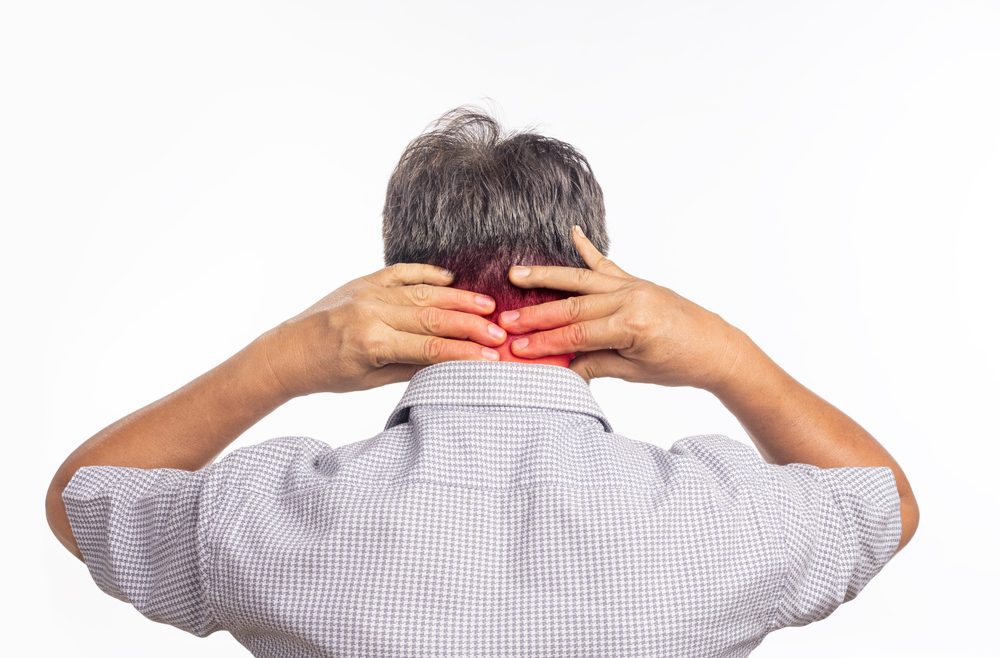
Patients with a herniated disc in the neck may experience a range of symptoms, including:
- Neck Pain: Persistent pain that may radiate to the shoulders and arms.
- Numbness and Tingling: Sensations that may extend down the arms or into the fingers.
- Muscle Weakness: Difficulty lifting objects or performing daily tasks.
- Reduced Range of Motion: Stiffness and limited neck movements.
- Arm Discomfort: Discomfort that may be accompanied by numbness or tingling.
- Pain Radiating to the Shoulder Blade: Discomfort that spreads to the shoulder blade area.
- Arm Pain: Sharp or burning pain in the arm, often resulting from nerve compression.
- Shoulder Pain: Pain in the shoulder, commonly associated with nerve roots C5 and C6.
- Muscle Spasms: Involuntary muscle tightening in the neck or shoulders.
These herniated disc symptoms can vary in severity and location, depending on which nerve root is compressed.
Diagnosis of Herniated Discs
Proper diagnosis is essential for effective treatment of a herniated disc. Diagnosing a herniated disc typically involves a thorough physical examination and imaging studies. Healthcare providers may use MRI or CT scans to confirm the diagnosis and assess the severity of the herniation. These imaging studies help visualize the intervertebral foramen to determine if there is nerve impingement. Identifying the affected disc is crucial for targeted treatment. In some cases, nerve conduction studies or electromyography may be performed to evaluate nerve function and muscle strength.
Treatment Options for Herniated Disc in the Neck
Conservative Treatments
- Rest and Activity Modification: Short-term rest followed by a gradual return to activity.
- Physical Therapy: Exercises to strengthen core and neck muscles, decrease pain, and improve neck function and flexibility.
- Manual Therapy: Hands-on techniques to reduce muscle tension and promote healing.
- Pain Management: NSAIDs, muscle relaxants, or nerve pain medications.
- Heat/Ice Therapy: To reduce pain and inflammation.
Prolotherapy
In recent years, Prolotherapy has built its reputation within the medical community for its clinically proven ability to treat herniated disc in the neck.
Published research has proven its pain-relieving, anti-inflammatory, and regenerative benefits.
Prolotherapy involves injecting a natural regenerative solution with tiny needles. This has been shown to stimulate the production of collagen cells, the small cells needed to help with herniated disc.
As prolotherapy is helping to treat the root cause of herniated disc, it is deemed to be a permanent fix, preventing the symptoms from returning [4].

Disclaimer: The information provided in this section is for educational purposes only and is not a substitute for professional medical advice, diagnosis, or treatment. Prolotherapy may not be suitable for everyone, and outcomes can vary. Always seek the guidance of a qualified healthcare professional regarding your specific medical condition or treatment options. Never disregard professional medical advice or delay seeking it because of information you have read here.
Other Interventions
- Epidural Steroid Injections: For severe pain or inflammation.
- Surgery: Reserved for cases with persistent pain, weakness, or loss of bladder/bowel control.
Long-Term Effects of a Herniated Disc
While many individuals experience relief from symptoms with appropriate treatment, some may face long-term effects from a herniated disc in the neck. Chronic changes can lead to adverse spinal tension, further impacting mobility and comfort. Maintaining spine health is crucial to prevent long-term complications and promote overall well-being. These effects can include:
- Chronic Pain: Persistent neck pain or discomfort that may radiate to the shoulders and arms.
- Nerve Damage: Prolonged compression of nerves can lead to permanent nerve damage, resulting in weakness or loss of sensation.
- Reduced Mobility: Limited range of motion in the neck, making it difficult to perform daily activities.
- Degenerative Changes: Increased risk of developing degenerative disc disease or arthritis in the cervical spine over time.
- Impact on Quality of Life: Chronic pain and mobility issues can lead to decreased physical activity, affecting overall health and well-being.
Case Study: Long-Term Recovery
A 45-year-old patient with a cervical disc herniation at the affected disc level experienced significant pain and numbness in the arms. After undergoing a combination of physical therapy and prolotherapy, the patient reported substantial improvement in symptoms over six months. However, some residual weakness persisted, highlighting the potential for long-term effects even after treatment.
Factors Influencing Long-Term Outcomes
Several factors can influence the long-term effects of a herniated disc:
- Severity of the Herniation: More severe herniations may lead to greater long-term complications.
- Age: Older individuals may experience slower recovery and more significant long-term effects.
- Adherence to Treatment: Following prescribed treatment plans can improve outcomes.
- Lifestyle Choices: Maintaining a healthy weight and engaging in regular exercise can support recovery and reduce long-term effects.
The Importance of Early Intervention
Taking action early when dealing with herniated discs can make a significant difference in your recovery and long-term outcomes. Early intervention with conservative treatment options—such as physical therapy, pain medication, and steroid injections—can help relieve pain, reduce inflammation, and restore function before more serious complications develop. In cases where conservative measures are not enough, surgical treatment options like anterior cervical discectomy or spinal fusion may be recommended to relieve pressure on the spinal nerves and stabilize the spine. Working closely with a physical therapist can help you develop a personalized plan that includes strengthening exercises, stretching, and pain management techniques tailored to your needs. By addressing herniated discs early, you can improve your chances of a full recovery and reduce the risk of chronic pain or permanent nerve damage.
Preventing Further Complications
Preventing additional problems from herniated discs requires a proactive and comprehensive approach. Maintaining a healthy weight reduces stress on the spinal column, while avoiding improper lifting techniques can help prevent further disc herniation. Maintaining spine health through regular exercise and good posture is essential for preventing future issues. Incorporating regular exercise, especially strengthening exercises and stretching, supports spinal health and helps reduce the risk of future injuries. Strengthening neck muscles through targeted exercises and physical therapy can help prevent recurrence of symptoms. Avoiding adverse spinal tension by maintaining proper spinal alignment is key to long-term prevention and overall spinal well-being. Medical professionals may also recommend treatment options such as spinal injections or surgical interventions to relieve pain and prevent further complications if conservative measures are not effective. By working with your healthcare team and making positive lifestyle changes, you can help relieve pain, support your spinal health, and minimize the risk of long-term issues associated with herniated discs.
When to Seek Medical Help
Seek immediate medical attention if you experience:
- Loss of bladder or bowel control
- Severe or worsening weakness in the arms or legs
- Numbness in the groin or inner thighs
- Worsening pain
These may indicate a herniated disc emergency.
Frequently Asked Questions
What are the long-term effects of a herniated disc?
Long-term effects can include chronic pain, nerve damage, reduced mobility, and degenerative changes in the spine.
Can a herniated disc heal without surgery?
Yes, most herniated discs heal with conservative treatments such as physical therapy, medication, and regenerative therapies like prolotherapy [2].
Is it safe to exercise with a herniated disc?
Gentle, low-impact exercises are generally safe and beneficial. Always consult your physiotherapist or doctor before starting any exercise program.
What activities should I avoid during recovery?
Avoid heavy lifting, twisting, and high-impact activities until cleared by your healthcare provider.
How effective is prolotherapy for herniated discs?
Clinical studies and patient outcomes suggest prolotherapy can significantly reduce pain and improve function in herniated disc patients [4]. It is especially effective when combined with other conservative treatments.
Contact ProHealth Clinic Today for Your FREE 15-Minute Discovery Call
Don’t let herniated disc control your life any longer. Join the thousands of patients who have found lasting relief through prolotherapy at ProHealth Clinic.
Get in Touch
- Phone: +441234380345
- Email: info@prohealthclinic.co.uk
Our Clinic Locations
- London: 104 Harley Street, Marylebone, W1G 7JD
- Manchester: The Hadley Clinic, 64 Bridge Street, M3 3BN
- Bedford: The Village Medical Centre, Kingswood Way, MK40 4GH
All clinics offer the same award-winning prolotherapy treatment with convenient appointment times, including evenings and weekends.
Author Bio
Having performed over 10,000 procedures, Mr Oliver Eaton is one of the UK’s leading practitioners in the field of treating herniated disc, with patients travelling to see him from across the UK, Europe, and the Middle East.
With over 12 years of clinical experience, Oliver is dedicated to helping patients understand their symptoms associated with herniated disc and providing effective treatment options to alleviate them.
He qualified in Prolozone Therapy and Prolotherapy in America with the American Academy of Ozonotherapy. He continued on to complete further qualifications at the Royal Society of Medicine, Charing Cross Hospital in London, Keele University’s Anatomy & Surgical Training Centre, and the medical department of Heidelberg University in Germany.
Over the years he has had the privilege of treating many elite-level athletes, including both Olympic and Commonwealth medallists.
Mr Eaton’s expertise has been featured in many national news and media publications, including The Telegraph, The Daily Mail, The Daily Express, Women’s Health Magazine, and The Scotsman.
References
-
- National Institute of Neurological Disorders and Stroke. (2023). Herniated Disc. https://www.ninds.nih.gov/health-information/disorders/herniated-disc
- Harvard Health Publishing. (2022). Herniated disk: What you need to know. https://www.health.harvard.edu/pain/herniated-disk-what-you-need-to-know
- Chou, R., et al. (2018). Noninvasive Treatments for Acute, Subacute, and Chronic Low Back Pain: A Clinical Practice Guideline. Annals of Internal Medicine, 168(7), 514-530.
- Rabago, D., et al. (2016). Prolotherapy in Primary Care Practice. Primary Care: Clinics in Office Practice, 43(2), 329-338. https://www.ncbi.nlm.nih.gov/pmc/articles/PMC4913113/
Disclaimer: This article is for informational purposes only and does not substitute for professional medical advice. Always consult your healthcare provider before making treatment decisions.