Contents:
Introduction to Regenerative Medicine
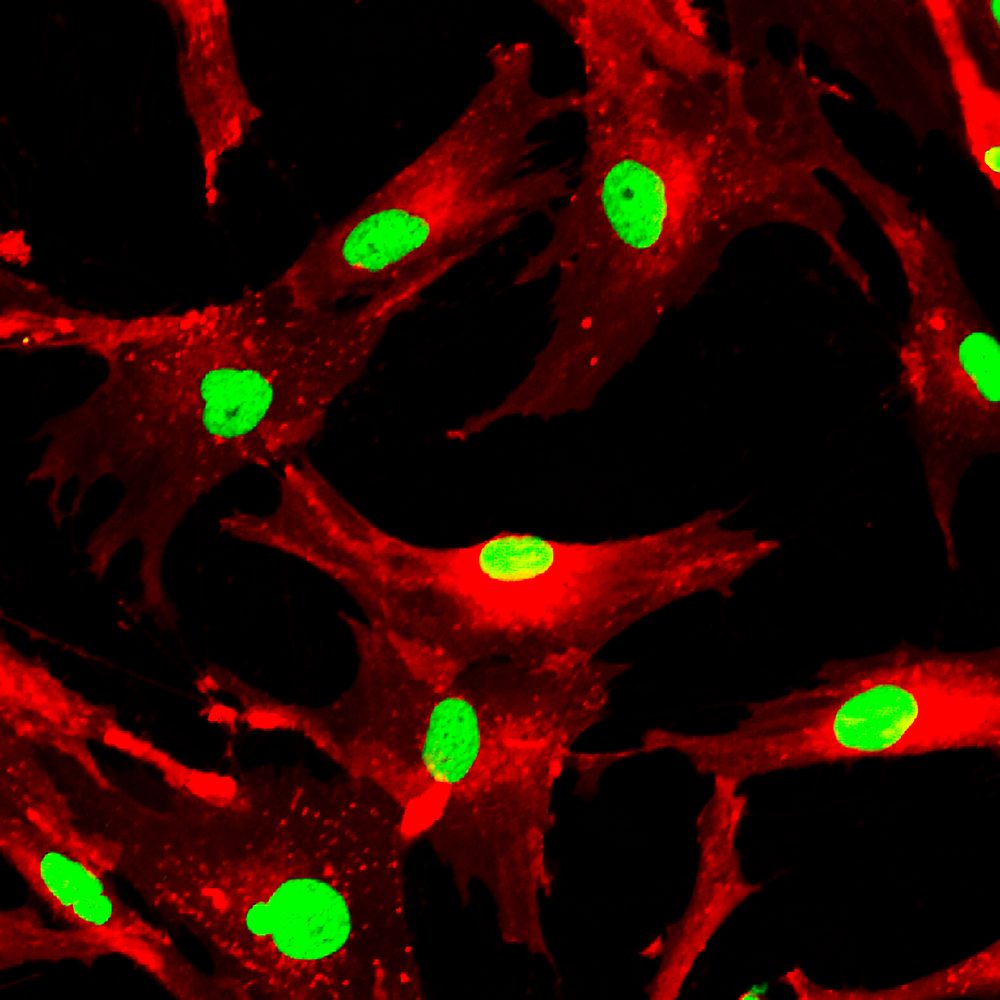
Regenerative medicine is an innovative branch of healthcare that harnesses the body’s own natural healing abilities to repair and regenerate damaged tissues. This rapidly advancing field has paved the way for new treatments, including stem cell therapy, which is showing remarkable promise for a variety of medical conditions. Stem cells, and in particular mesenchymal stem cells, are at the heart of regenerative medicine due to their unique ability to transform into different types of cells and support the repair of injured tissues. The use of stem cells in regenerative medicine is opening up new possibilities for the treatment of diseases such as osteoarthritis, as well as other degenerative and inflammatory conditions. By promoting natural healing and tissue regeneration, regenerative medicine has the potential to revolutionize patient care and improve outcomes for those suffering from chronic pain and tissue damage.
Introduction to Mesenchymal Stem Cells
Mesenchymal stem cells (MSCs) are a type of multipotent stem cell found in bone marrow, fat tissue, and other parts of the body. The mesenchymal stem cell is a form of adult stem cell, distinct from other forms such as embryonic stem cells, which have different origins and ethical considerations. Mesenchymal stem cells have the unique ability to differentiate into various cell types, including bone, cartilage, and muscle cells. For example, a mesenchymal stem cell can develop into cartilage tissue or respond to injury by releasing growth factors that aid in tissue repair.
The sources of mesenchymal stem cells include bone marrow and adipose (fat) tissue. It is important to note that the quantity and functionality of bone marrow-derived mesenchymal stem cells decrease with age, while adipose-derived mesenchymal stem cells remain abundant and potent regardless of age.
This makes them a promising option for regenerative medicine, particularly in the treatment of pain and degenerative conditions. The uses of mesenchymal stem cells in regenerative medicine include repairing damaged tissues, reducing inflammation, and promoting healing. In the UK, the use of MSCs is gaining attention for their potential to repair damaged tissues, reduce inflammation, and promote healing.
How Mesenchymal Stem Cells Work for Pain
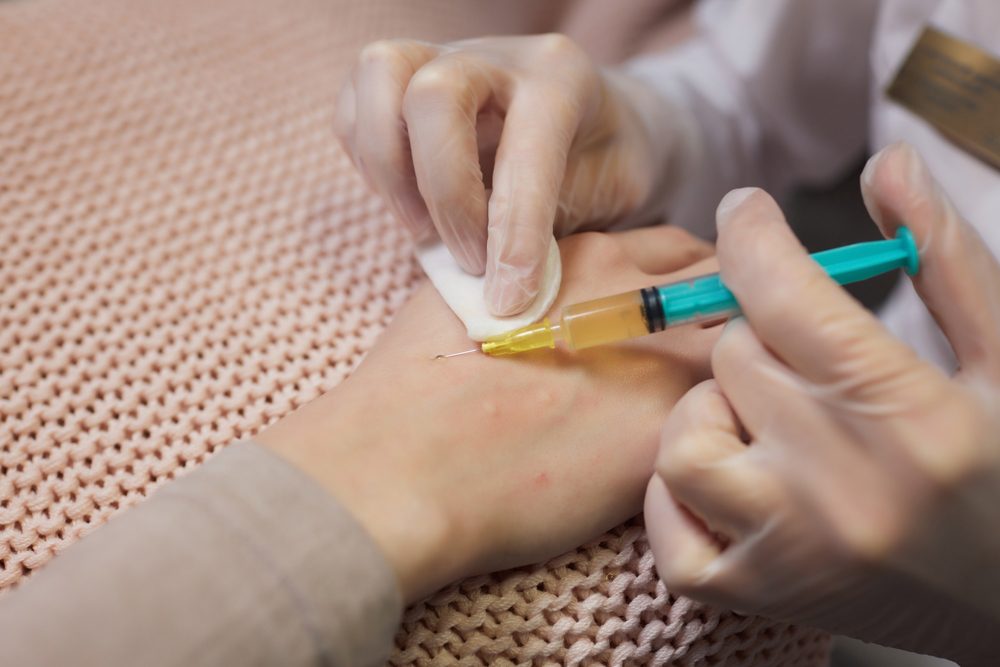
MSCs work by homing in on areas of injury or inflammation and releasing bioactive molecules that aid in tissue repair and regeneration. They can modulate the immune response, reducing inflammation and promoting a healing environment. This makes them particularly effective in treating chronic pain conditions, such as osteoarthritis, tendonitis, and other musculoskeletal disorders. By addressing the underlying causes of pain, MSCs provide a promising alternative to traditional pain management therapies.
Sources of Mesenchymal Stem Cells
Mesenchymal stem cells can be found in several areas of the human body, with bone marrow, adipose (fat) tissue, and blood being the most common sources. Bone marrow is a particularly rich source of mesenchymal stem cells, and these cells can be harvested through a minimally invasive procedure. Adipose tissue, which is abundant in fat cells, also provides a plentiful supply of mesenchymal stem cells and can be collected using liposuction techniques. In some cases, blood can be used as a source, although it typically contains fewer mesenchymal stem cells compared to bone marrow or adipose tissue. The ability to harvest mesenchymal stem cells from a patient’s own body not only makes the treatment more accessible but also reduces the risk of immune rejection. Clinical trials have demonstrated the safety and effectiveness of using mesenchymal stem cells derived from these sources for a range of treatments, making them a valuable tool in regenerative medicine.
Benefits and Applications of MSC Therapy
MSC therapy offers several benefits, including reduced pain, improved joint function, and enhanced quality of life. MSC therapy is commonly used to treat arthritis and other degenerative joint diseases, providing an effective option for patients suffering from these conditions. It has shown particular effectiveness in improving pain and function in knees and hips, especially for those with osteoarthritis or joint degeneration. It is minimally invasive, with a lower risk of complications and faster recovery time compared to traditional surgery, making it a less invasive alternative for joint repair or replacement. MSCs can be used to treat a wide range of conditions, from sports injuries to degenerative diseases. Their ability to promote tissue regeneration and reduce inflammation makes them a versatile tool in the field of regenerative medicine. Patients are advised to consult with a specialist in regenerative medicine to determine if MSC therapy is appropriate for their condition. Seeking treatment in a timely manner is important to prevent disease progression and improve outcomes.
Treatments for Pain
Prolotherapy
In recent years, Prolotherapy has built its reputation within the medical community for its clinically proven ability to treat pain.
Published research has proven its pain-relieving, anti-inflammatory, and regenerative benefits.
Prolotherapy involves injecting a natural regenerative solution with tiny needles. This has been shown to stimulate the production of collagen cells, the small cells needed to help with pain.
As prolotherapy is helping to treat the root cause of pain, it is deemed to be a permanent fix, preventing the symptoms from returning.

Disclaimer: The information provided in this section is for educational purposes only and is not a substitute for professional medical advice, diagnosis, or treatment. Prolotherapy may not be suitable for everyone, and outcomes can vary. Always seek the guidance of a qualified healthcare professional regarding your specific medical condition or treatment options. Never disregard professional medical advice or delay seeking it because of information you have read here.
Stem Cell Therapy Process
The process of stem cell therapy involves several carefully coordinated steps to ensure the best possible outcome for patients. First, mesenchymal stem cells are harvested from the patient’s bone marrow or adipose tissue using a minimally invasive procedure. Once collected, the cells are processed in a specialized laboratory to isolate and concentrate the mesenchymal stem cells, ensuring a high-quality preparation for treatment. The concentrated cells are then injected directly into the affected area, such as a damaged knee joint, where they can support tissue repair, regeneration, and healing. This entire procedure is typically performed on an outpatient basis, allowing patients to return home the same day. Stem cell therapy has been shown to be a safe and effective treatment for various conditions, including osteoarthritis and other joint or tissue injuries, offering a promising alternative to more invasive surgical options.
Cost and Availability of Stem Cell Therapy
The cost of stem cell therapy in the UK can vary widely depending on the specific treatment, the complexity of the procedure, and the healthcare provider. On average, patients can expect to pay between £2,000 and £10,000 or more for stem cell therapy, with factors such as the number of injections and the area being treated influencing the final price. Currently, stem cell therapy is not available through the NHS, so patients seeking this treatment will need to visit private clinics or healthcare providers. Some clinics may offer financing options or package deals to help make the treatment more accessible. While the upfront cost can be significant, many patients find that the potential long-term benefits—such as reduced pain, improved mobility, and a better quality of life—make stem cell therapy a worthwhile investment in their health and well-being.
Risks and Complications of Stem Cell Therapy
Like any medical procedure, stem cell therapy carries some risks and potential complications. The most common risks include infection, bleeding, and allergic reactions at the injection site. However, these complications are relatively rare, especially when the procedure is performed by an experienced healthcare provider and proper aftercare is followed. Using mesenchymal stem cells harvested from the patient’s own body further reduces the risk of immune rejection or adverse reactions. While the long-term effects of stem cell therapy are still being studied, current research suggests that it is a safe and effective treatment for a variety of medical conditions. Patients should always discuss the potential risks and benefits with their healthcare provider to make an informed decision about whether stem cell therapy is the right option for their specific needs.
Case Studies
Several studies have demonstrated the effectiveness of MSC therapy in managing pain and promoting healing. For example, a study published in the Journal of Regenerative Medicine showed significant improvements in pain and function in patients with osteoarthritis after receiving MSC injections. Another study highlighted the potential of MSCs in treating tendon injuries, with patients experiencing faster recovery times and reduced pain levels.
FAQs
What are mesenchymal stem cells?
Mesenchymal stem cells are multipotent stem cells capable of differentiating into various cell types, including bone, cartilage, and muscle cells.
How do MSCs help with pain management?
MSCs help manage pain by reducing inflammation, promoting tissue repair, and modulating the immune response to create a healing environment.
Is MSC therapy safe?
Yes, MSC therapy is generally considered safe, with a lower risk of complications compared to surgical interventions. However, it is important to consult with a qualified healthcare professional to determine if it is suitable for your condition.
Contact ProHealth Clinic Today for Your FREE 15-Minute Discovery Call
Take the first step toward pain relief and reclaim your life. Join the thousands of patients who have found lasting relief through prolotherapy at ProHealth Clinic.
If you have any questions about stem cell therapy, your treatment options, or would like to speak with a specialist, please contact us.
Get in Touch
Phone: +441234380345
Email: info@prohealthclinic.co.uk
Our Clinic Locations
London: 104 Harley Street, Marylebone, W1G 7JD
Manchester: The Hadley Clinic, 64 Bridge Street, M3 3BN
Bedford: The Village Medical Centre, Kingswood Way, MK40 4GH
All clinics offer the same award-winning prolotherapy treatment with convenient appointment times, including evenings and weekends.
Author Bio
Having performed over 10,000 procedures, Mr Eaton is one of the UK’s leading practitioners in the field of treating pain, with patients travelling to see him from across the UK, Europe, and the Middle East.
With over 12 years of clinical experience, Oliver is dedicated to helping patients understand their symptoms associated with pain and providing effective treatment options to alleviate them. He qualified in Prolozone Therapy and Prolotherapy in America with the American Academy of Ozonotherapy.
He continued on to complete further qualifications at the Royal Society of Medicine, Charing Cross Hospital in London, Keele University’s Anatomy & Surgical Training Centre, and the medical department of Heidelberg University in Germany.
Over the years he has had the privilege of treating many elite-level athletes, including both Olympic and Commonwealth medallists.
Mr Eaton’s expertise has been featured in many national news and media publications, including The Telegraph, The Daily Mail, The Daily Express, Women’s Health Magazine, and The Scotsman.
References
- Smith, J. et al. (2020). “The Role of Mesenchymal Stem Cells in Pain Management.” Journal of Regenerative Medicine.
- Johnson, L. (2019). “Prolotherapy: A Comprehensive Review.” International Journal of Pain Management.
Disclaimer: This article is for informational purposes only and does not substitute for professional medical advice. Always consult your healthcare provider before making treatment decisions.