What Is Occipital Neuralgia and What Are Occipital Neuralgia Symptoms?
Occipital neuralgia is a type of headache disorder that results from irritation or compression of the occipital nerves (greater, lesser, or third occipital nerves). Common causes include neck muscle tension, trauma, cervical spine arthritis, nerve entrapment, pinched nerve, tight muscles, and health conditions such as arthritis or diabetes. Occipital neuralgia symptoms often include sharp, throbbing, or burning pain at the base of the skull, pain in the upper neck, scalp tenderness, and sensitivity to touch. Trigger points may be present, where pressing on certain areas can reproduce the pain. Unlike migraines, occipital neuralgia symptoms typically do not include light sensitivity, which helps distinguish between the two conditions. Stretching the neck muscles and connective tissue can help relieve symptoms [1].
Home Remedies, Massage Therapy, and Self-Care for Occipital Neuralgia
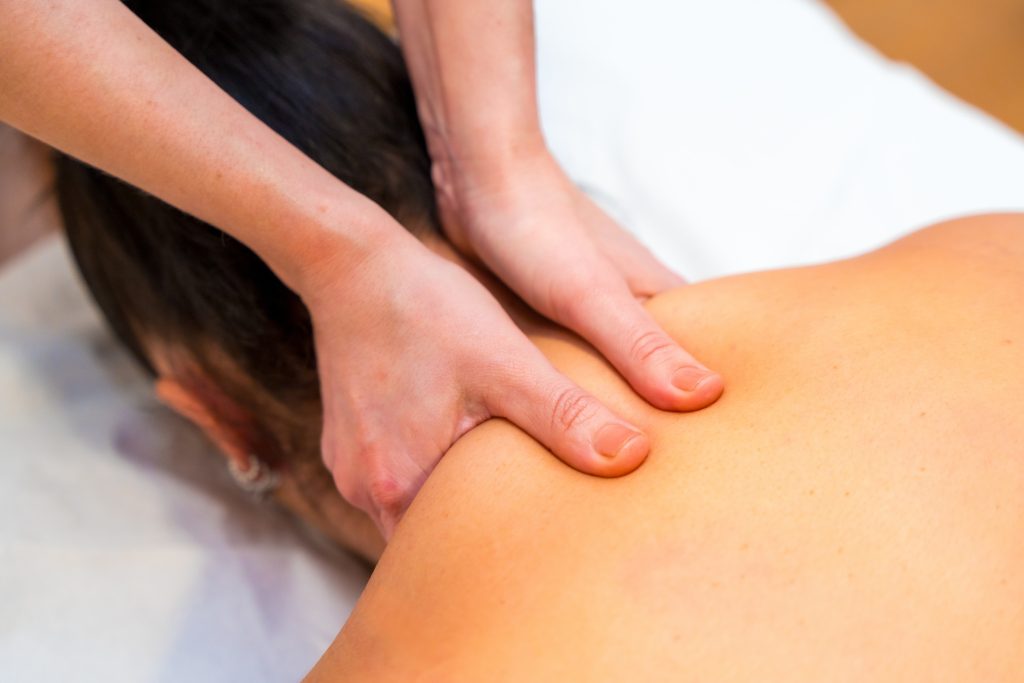
Nonsurgical treatments for occipital neuralgia focus on relieving pain, relaxing neck muscles, and improving quality of life through self-care and complementary approaches.
- Rest and posture correction: Take frequent breaks from screens and avoid slouching to reduce neck strain.
- Heat and cold therapy: Apply a warm compress or ice pack to the back of the neck for 15–20 minutes to relieve pain and inflammation. These methods are aimed at relieving pain.
- Gentle stretching: Neck stretches and range-of-motion exercises can help reduce muscle tension. Stretching neck muscles and connective tissue may also help alleviate discomfort.
- Massage therapy: Gentle massage therapy targeting the neck muscles and upper back can ease muscle tightness and improve blood flow.
- Dietary supplements: Certain dietary supplements may help manage symptoms and improve mobility when used alongside medical therapies. Consult your healthcare provider before starting any new supplement.
- Stress management: Mindfulness, deep breathing, and relaxation techniques can help lower pain intensity.
- Over-the-counter pain relief: NSAIDs (like ibuprofen) or acetaminophen may help manage mild to moderate pain (always follow your healthcare provider’s advice).
- Even light activities, such as brushing hair, can trigger pain or discomfort in some individuals with occipital neuralgia.
Medical Treatments for Occipital Neuralgia: Including Occipital Nerve Stimulation
- Physical therapy: Targeted exercises and manual therapy can address muscle imbalances and improve neck mobility.
- Prescription medications: Muscle relaxants, anticonvulsants, or tricyclic antidepressants may be prescribed for nerve pain. Taking medication is often part of the treatment plan, and healthcare providers may prescribe medications specifically to relieve nerve pain.
- Occipital nerve blocks: Local anesthetic and steroid injection around the occipital nerves can provide temporary but significant pain relief by reducing inflammation. A handheld ultrasound device may be used to identify trigger points before administering nerve blocks, helping to guide treatment decisions and improve accuracy.
- Botox injections: In some cases, botulinum toxin injections can reduce nerve pain and muscle spasms.
- Radiofrequency ablation: This minimally invasive procedure uses heat to disrupt pain signals from the occipital nerves.
- Surgical options: For severe, persistent cases, surgical decompression or nerve stimulation may be considered [2].
- Surgical treatments: Surgical treatments and surgical treatment are considered when nonsurgical methods fail to relieve occipital neuralgia, with several procedures available for pain management.
- Occipital nerve stimulation: Occipital nerve stimulation is a surgical treatment that involves implanting a device to deliver electrical impulses to the occipital nerves. Regular follow-up visits are needed to adjust stimulation settings and monitor recovery.
- Other treatments: Other treatments, such as physical therapy, massage, and lifestyle changes, may help patients feel relief when standard options are insufficient. Alternative therapies can be explored to manage or relieve occipital neuralgia effectively.
Prolotherapy
In recent years, Prolotherapy has built its reputation within the medical community for its clinically proven ability to treat occipital neuralgia.
Published research has proven its pain-relieving, anti-inflammatory and regenerative benefits. Prolotherapy involves injecting a natural regenerative solution with tiny needles.
This has been shown to stimulate the production of collagen cells, the small cells needed to help with occipital neuralgia.
As prolotherapy is helping to treat the root cause of occipital neuralgia, it is deemed to be a permanent fix, preventing the symptoms from returning.

Disclaimer: The information provided in this section is for educational purposes only and is not a substitute for professional medical advice, diagnosis, or treatment. Prolotherapy may not be suitable for everyone, and outcomes can vary. Always seek the guidance of a qualified healthcare professional regarding your specific medical condition or treatment options. Never disregard professional medical advice or delay seeking it because of information you have read here.
Case Study: Lasting Relief from Occipital Neuralgia
A 42-year-old patient with chronic occipital neuralgia experienced severe headaches and scalp tenderness for over a year. After a combination of physical therapy, nerve blocks, and three sessions of prolotherapy at ProHealth Clinic, the patient reported an 80% reduction in pain and a return to normal activities within two months. This case highlights the potential for long-term relief with a comprehensive, regenerative approach.
When to Seek Medical Help
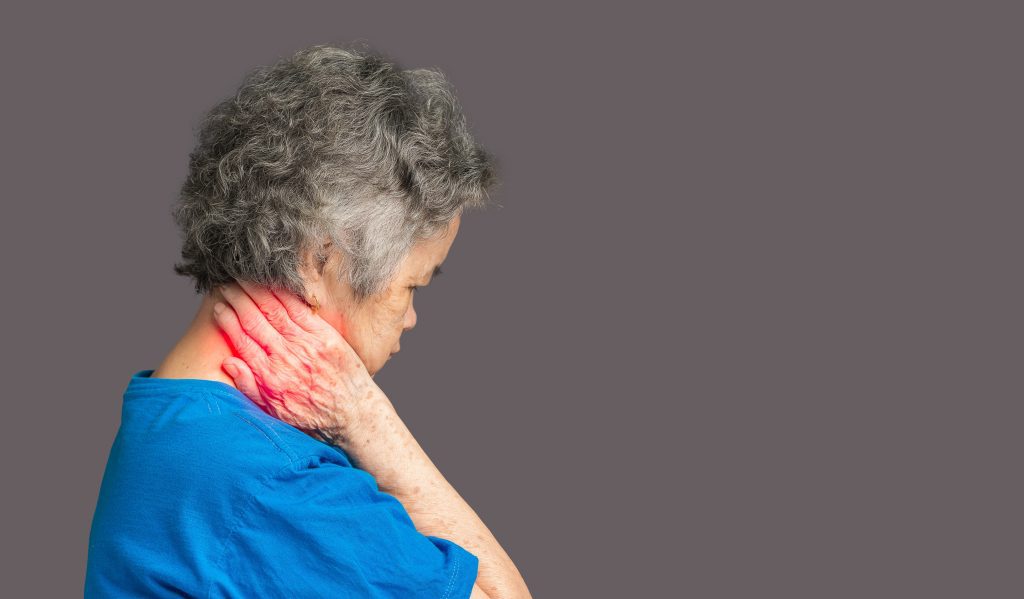
- Sudden, severe headache unlike any previous pain
- Loss of vision, weakness, or numbness in the arms or legs
- Fever, neck stiffness, or confusion (may indicate a more serious condition)
If you experience these symptoms, seek immediate medical attention.
Frequently Asked Questions
What triggers occipital neuralgia flare-ups?
Common triggers include poor posture, neck strain, stress, trauma, or prolonged screen time. Identifying and avoiding triggers can help reduce flare-ups.
Can occipital neuralgia go away on its own?
Mild cases may improve with rest and self-care, but chronic or severe occipital neuralgia often requires medical treatment for lasting relief [1].
Is prolotherapy safe for occipital neuralgia?
Yes, prolotherapy is considered safe when performed by a qualified practitioner and has shown promising results for nerve pain and inflammation [3].
How long does it take to see results from prolotherapy?
Many patients notice improvement within a few weeks, with optimal results after a series of treatments.
Contact ProHealth Clinic Today for Your FREE 15-Minute Discovery Call
Don’t let occipital neuralgia control your life any longer. Join the thousands of patients who have found lasting relief through prolotherapy at ProHealth Clinic.
Get in Touch
- Phone: +441234380345
- Email: info@prohealthclinic.co.uk
Our Clinic Locations
- London: 104 Harley Street, Marylebone, W1G 7JD
- Manchester: The Hadley Clinic, 64 Bridge Street, M3 3BN
- Bedford: The Village Medical Centre, Kingswood Way, MK40 4GH
All clinics offer the same award-winning prolotherapy treatment with convenient appointment times, including evenings and weekends.
Author Bio
Having performed over 10,000 procedures, Mr Oliver Eaton is one of the UK’s leading practitioners in the field of treating occipital neuralgia, with patients travelling to see him from across the UK, Europe, and the Middle East.
With over 12 years of clinical experience, Oliver is dedicated to helping patients understand their symptoms associated with occipital neuralgia and providing effective treatment options to alleviate them.
He qualified in Prolozone Therapy and Prolotherapy in America with the American Academy of Ozonotherapy. He continued on to complete further qualifications at the Royal Society of Medicine, Charing Cross Hospital in London, Keele University’s Anatomy & Surgical Training Centre, and the medical department of Heidelberg University in Germany.
Over the years he has had the privilege of treating many elite-level athletes, including both Olympic and Commonwealth medallists.
Mr Eaton’s expertise has been featured in many national news and media publications, including The Telegraph, The Daily Mail, The Daily Express, Women’s Health Magazine, and The Scotsman.
References
- National Institute of Neurological Disorders and Stroke. (2023). Occipital Neuralgia. https://www.ninds.nih.gov/health-information/disorders/occipital-neuralgia
- American Association of Neurological Surgeons. (2022). Occipital Neuralgia. https://www.aans.org/en/Patients/Neurosurgical-Conditions-and-Treatments/Occipital-Neuralgia
- Rabago, D., et al. (2016). Prolotherapy in Primary Care Practice. Primary Care: Clinics in Office Practice, 43(2), 329-338. https://www.ncbi.nlm.nih.gov/pmc/articles/PMC4913113/
Disclaimer: This article is for informational purposes only and does not substitute for professional medical advice. Always consult your healthcare provider before making treatment decisions.