In this article, you will find out everything you need to know about pain relief gel and the most effective alternatives, including an advanced treatment called Prolotherapy.
Are you suffering from muscle pain? Do you find relief difficult to come by? You’re not alone. Muscle pain is one of the most common complaints people have. According to the National Institutes of Health (NIH), it affects over 76 million people in the United States alone. In the UK, around 1 in 3 people have muscle or joint pain at any given time.
What Is Pain Relief Gel?
Pain relief gel is a topical cream that you can apply to your skin. It typically contains ingredients like menthol, camphor, eucalyptus oil, and capsaicin. These active ingredient work by heating up the area and numbing the pain receptors.
- Menthol, in particular, is known for its cooling and numbing effect. It works by binding to the cold-sensitive TRPM8 receptors in the skin. When these receptors are activated, they send a signal to the brain that results in a cooling sensation.
- Camphor, on the other hand, works by causing a tingling sensation that can help to temporarily distract from the pain.
- Eucalyptus oil and capsaicin work by causing a warming sensation. This can help increase blood flow to the area and reduce pain.
There are many different brands of pain relief gel on the market. Some of the more popular ones include Biofreeze, Icy Hot, and Bengay.
How Does Pain Relief Gel Work?
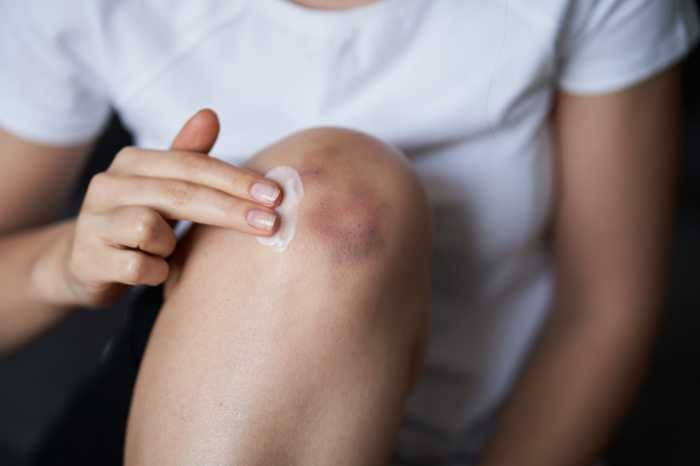
When you apply pain relief gel to your skin, the ingredients interact with the nerve endings in your skin. This interaction triggers a response from your brain that results in either a cooling or warming sensation.
The sensation of heat causes blood vessels to dilate and increases blood flow to the area. This can help to reduce pain by delivering more oxygen and nutrients to the muscles. The increased blood flow can also help to remove waste products like lactic acid that can build up and cause pain.
The cooling sensation provided by menthol can help to numb the pain receptors and provide temporary targeted pain relief.
Does Pain Relief Gel Actually Work?
There is some evidence to suggest that pain relief gel can be effective at when applied on painful or swollen area. A study published in the journal Pain Medicine looked at the effect of a menthol-containing gel on muscle pain. The study found that the gel was able to significantly reduce pain and improve function.
Another study published in the Journal of Athletic Training looked at the effect of a menthol-containing cream on exercise-induced muscle soreness. The study found that the cream was able to significantly reduce pain and improve recovery time.
A review of studies published in the Cochrane Database of Systematic Reviews also found that topical menthol gels can be effective at reducing muscle pain. These gels work by providing a cooling sensation that can distract the brain from pain signals and may enhance blood flow to the affected area. For individuals seeking guidance on how to relieve muscle pain, topical menthol gels offer a non-invasive option that can be easily incorporated into their pain management routine. Additionally, combining the use of these gels with stretching exercises and proper hydration can further promote muscle recovery and alleviate discomfort.
There is also some evidence to suggest that pain relief gel can be effective at reducing arthritis pain. A study published in the journal BMC Musculoskeletal Disorders looked at the effect of a menthol-containing cream on osteoarthritis pain. The study found that the cream was able to significantly reduce pain and improve function.
Another study published in the journal Pain looked at the effect of a capsaicin-containing cream on arthritis pain. The study found that the cream was able to significantly reduce pain.
A review of studies published in the Cochrane Database of Systematic Reviews also found that topical capsaicin-containing creams can be effective at reducing arthritis pain.
Side Effects Of Pain Relief Gel

Pain relief gel is generally safe to use. However, there are some potential side effects that you should be aware of.
The most common side effect is skin irritation. This is typically caused by the ingredients in the gel, such as menthol or capsaicin. If you experience any skin irritation, stop using the gel and speak to your doctor.
It’s also important to note that pain relief gel is not intended for use on broken skin. If you have any cuts or scrapes, wait until they have healed before using the gel.
Finally, pain relief gel should not be used on children under the age of 12. If you have any concerns about using the gel, speak to your doctor.
Who should use pain relief gel?
Pain relief gel can be used by anyone who is experiencing pain. However, it’s important to speak to your doctor before using the gel if you have any medical conditions, such as diabetes or arthritis.
It’s also important to read the label carefully and follow the instructions. If you experience any side effects, stop using the gel and speak to your doctor.
When should pain relief gel be used?
Joint pain relief gel can be used on affected site as needed for pain relief. Avoid using maximum quantity. And it’s also important not to use the gel more than four times a day.
If you find that you need to use the gel more than four times a day and symptoms persist, speak to your doctor. They may recommend a different treatment option.
Who should not use muscle pain relief gel?
Pain relief gel should not be used by children under the age of 12 as it is an age restricted product. It’s also important to note that pain relief gel is not intended for use on broken skin. If you have any cuts or scrapes, wait until they have healed before using the gel. Finally, if you have any medical conditions, such as diabetes or arthritis, speak to your doctor before using pain relief gel.
Are there any alternative treatments for pain?
There are a number of alternative treatments for pain, such as over-the-counter pain medication, acupuncture, and massage. Physical therapy is also a viable long term relief option.
If you’re looking for a natural alternative to pain medication, there are a number of essential oils that can be used for pain relief. Some essential oils that may be effective include lavender oil, peppermint oil, and eucalyptus oil.
It’s important to speak to your doctor before trying any new treatment for pain. They can help you choose the best option for you based on your individual needs.
In recent years, Prolotherapy has built its reputation within the medical community for its clinically proven ability to relieve pain.
Published research has proven its pain-relieving, anti-inflammatory and regenerative benefits.
Prolotherapy involves injecting a natural regenerative solution with tiny needles. This has been shown to stimulate the production of collagen cells, the small cells needed to repair the damage and help with pain.
As prolotherapy is helping to treat the root cause of pain, it is deemed to be a permanent fix, preventing the symptoms from returning.

Case Studies
Case Study 1: Sports-related Muscle Pain
A 34-year-old competitive runner developed persistent calf and hamstring pain after ramping up training. She initially used topical menthol gels for short-term relief, which helped immediately after runs but did not resolve the underlying issue. After a structured rehabilitation program (physiotherapy + load management) combined with a targeted course of Prolotherapy, imaging and functional tests showed progressive tissue repair and improved biomechanics. At 12 weeks she resumed full training with reduced reliance on analgesic gels.
Case Study 2: Osteoarthritis Knee Pain
A 62-year-old male presented with chronic knee pain due to osteoarthritis. He used NSAID gels (diclofenac/Voltaren) intermittently for symptomatic relief; however, the pain returned between applications and activity remained limited. Conservative care (weight management, exercise therapy, topical NSAIDs) improved symptoms somewhat. A combined approach that included Prolotherapy focused on periarticular soft-tissue support resulted in improved pain scores and better mobility at 16 weeks, allowing the patient to reduce topical analgesic frequency.
Case Study 3: Chronic Low Back Pain
A 45-year-old office worker with multi-year low back pain used various topical analgesic creams with temporary relief. Following comprehensive assessment, targeted Prolotherapy to ligamentous and tendon attachments, alongside structured physiotherapy, produced durable improvement. The patient reported fewer flare-ups and decreased daily reliance on topical gels at three months follow-up.
Bottomline
In conclusion, pain relief gel can be an effective way to relieves pain. However, you need to understand that pain relief is just a short term solution. A lot of people experience pain on a daily basis. Whether it’s due to an injury, illness, or just everyday aches and pains, pain can be debilitating. So the goal should be to treat the root cause and use pain relief gel as a temporary solution to get rid of the pain.
Also, it’s important to be aware of the potential side effects and only use the gel as directed. If you have any concerns, speak to your doctor before using the gel.
Which gel is best for pain?
The gel that is most often recommended for pain is the Voltaren Gel which consists of Diclofenac. This is an NSAID-based gel that works by reducing the inflammatory activity of the affected area. The diclofenac in the gel penetrates through the skin surface and provides relief from pain and inflammation. This makes it particularly beneficial for conditions that are caused by inflammatory activity like Osteoarthritis.
Is Voltaren gel good for pain?
The Voltaren Gen is an NSAID-based gel that contains Diclofenac as its active ingredient. The anti-inflammatory action of the Diclofenac proved a targeted pain and inflammation relief when applied over the affected area. In addition, reducing the inflammation levels also helps reduce the swelling associated with pain.
How long does it take for Voltaren gel to work?
The Voltaren gel usually does not provide immediate pain relief since it is a pure anti-inflammatory gel. However, it works by reducing the inflammatory activity in the affected area, and hence it may take the gel up to 7 days to show its pain relief effects. Moreover, as compared to larger joints, the effects of Voltaren gel are more effectively seen in smaller joints.
Who should not use Voltarol?
Voltarol gel should not be used by children who are under 14 years of age. Moreover, the gel should also not be used in the long term. The maximum time period that is considered safe for using Volatrol Emulgel is 14 days. However, if the gel is being recommended for a chronic condition like osteoarthritis, the individual may follow the health professional’s advice regarding the recommended period of use.
What ointment is good for joint pain?
The ointment most often recommended for joint pain is the diclofenac topical ointment. It comes under the brand name Voltaren Arthritis Pain. The Voltaren ointment joints that may be used most effectively include hands, wrists, feet, ankles, knees, and elbows.
What cream is best for leg pain?
The creams which are considered most effective for leg pain include the Voltaren Gel, Tiger Balm, and Bengay Pain Relieving Cream. The Voltaren gel is an NSAID-based topical treatment that is used to treat inflammation in the joint and provide relief from the associated symptoms. On the other hand, the Tiger Balm contains active ingredients like Camphor and Menthol, which provides a cooling effect to the affected area and helps relieve the pain. In addition, the Bengay Pain Relieving cream contains active ingredients like Salicylates, Camphor, and Menthol, which also help provide relief from leg pain.
Frequently Asked Questions
Can I use pain relief gel with other topical products?
Generally you should avoid layering multiple topical analgesics at the same time (for example combining two products that both contain menthol or both contain salicylates). Doing so increases the risk of skin irritation or systemic absorption. Check product labels and speak to a healthcare professional if in doubt.
Is it safe to use pain relief gel during pregnancy?
Many topical products have limited safety data during pregnancy. While some topical NSAIDs are used cautiously, you should consult your midwife or obstetrician before using any medication during pregnancy.
How should I store topical analgesic gels?
Store gels in a cool, dry place away from direct sunlight and out of reach of children. Check expiry dates and do not use products past their expiry.
How quickly should I expect to see an effect?
Some gels (menthol/camphor) produce an immediate cooling or heating sensation; others—like topical NSAIDs—may take several days to produce meaningful reductions in pain driven by inflammation.
Can I use pain relief gel before sport or exercise?
Using a topical analgesic before sport may provide perceived symptom relief, but it does not prevent injury. If you feel unstable, weak, or have ongoing pain, assess mechanics and consult a clinician rather than relying on gels alone.
Contact ProHealth Clinic Today for Your FREE 15-Minute Discovery Call
Don’t let pain control your life any longer. Join the thousands of patients who have found lasting relief through prolotherapy at ProHealth Clinic.
Get in Touch
Phone: +441234380345
Email: info@prohealthclinic.co.uk
Our Clinic Locations
London: 104 Harley Street, Marylebone, W1G 7JD
Manchester: The Hadley Clinic, 64 Bridge Street, M3 3BN
Bedford: The Village Medical Centre, Kingswood Way, MK40 4GH
All clinics offer the same award-winning prolotherapy treatment with convenient appointment times, including evenings and weekends.
References:
- Cochrane Library — reviews on topical analgesics and NSAIDs
- Topical NSAIDs: Efficacy and Safety — NCBI PMC (systematic review)
- Mayo Clinic — Diclofenac (topical) overview
- NHS — Arthritis treatments (including topical options)
- Menthol and cooling agents — mechanisms and clinical use (NCBI PMC)
- Capsaicin topical therapy for pain — Systematic review (NCBI PMC)
- World Health Organization — Ageing & musculoskeletal health (contextual reference)
- Prolotherapy evidence review — NCBI PMC