In this article, you will find out everything you need to know about sore back and pelvis pain and the most effective ways to treat it, including an advanced treatment called Prolotherapy.
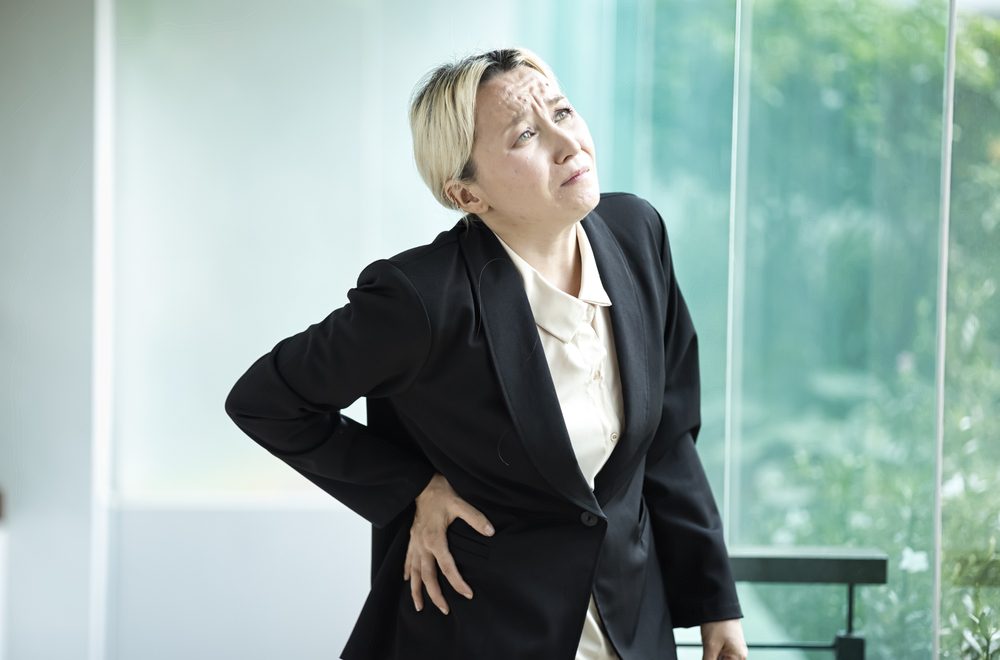
Managing Sore Back and Pelvis Pain: Effective Strategies and Solutions
Are you struggling with a sore back and pelvis? This common issue can stem from various causes such as muscle strain, disc injuries, or joint dysfunction. Understanding the root of your pain is the first step towards effective relief. In this article, we’ll explore the causes, symptoms, home remedies, and professional treatments to help you manage and prevent this discomfort.
Key Takeaways
- Understanding the sources of back and pelvis pain, such as muscle strain, ligament sprain, disc injuries, and sacroiliac joint dysfunction, is crucial for effective management.
- Home remedies like ice and heat therapy, over-the-counter medications, and gentle stretching exercises can offer significant relief.
- Persistent pain may require professional treatments such as prolotherapy, while prevention strategies are essential for long-term recovery.
Understanding the Sources of Sore Back and Pelvis Pain
The complex interplay among the back, pelvis, and groin means that pain experienced in these regions may originate from shared muscles, ligaments, joints, and nerves. Due to this interconnected nature, pain may radiate across different areas, making accurate diagnosis essential.
Muscle Strain and Ligament Sprain
Muscle strains and ligament sprains are among the most common causes of sore back and pelvis pain. Overuse, improper lifting techniques, sudden movements, and prolonged poor posture can all place excessive strain on these tissues. Pregnancy-related hormonal changes can further destabilise the pelvis, contributing to pain.
Disc Injuries and Nerve Compression
Disc injuries, including herniated or bulging discs, may compress nearby nerves and cause referred pain into the pelvis or legs. Conditions such as spinal stenosis can also reduce space around nerve roots, leading to chronic pain, numbness, or weakness.
Sacroiliac Joint Dysfunction
Sacroiliac joint dysfunction (sacroiliitis) is a major contributor to lower back and pelvic pain. The sacroiliac joints absorb impact between the upper body and legs, and inflammation or instability here can cause sharp or aching pain. Research suggests up to 25% of lower back pain originates from the SI joint.
Recognizing Symptoms and When to Seek Help
Common Symptoms
- Dull, aching pain or sharp stabbing pain in the lower back or pelvis
- Pain radiating to hips, buttocks, or thighs
- Burning, cramping, or stiffness
Red Flags
Seek immediate medical attention if pain is accompanied by fever, unexplained weight loss, neurological symptoms, or loss of bladder or bowel control.
Effective Home Remedies for Relief
Ice and Heat Therapy
Cold therapy helps reduce inflammation, while heat improves circulation and relaxes tight muscles.
Over-the-Counter Medications
NSAIDs such as ibuprofen may help reduce pain and inflammation but do not address the underlying cause.
Gentle Stretching and Exercise
- Hamstring stretches
- Hip flexor stretches
- Pelvic mobility exercises
Professional Treatments for Persistent Pain
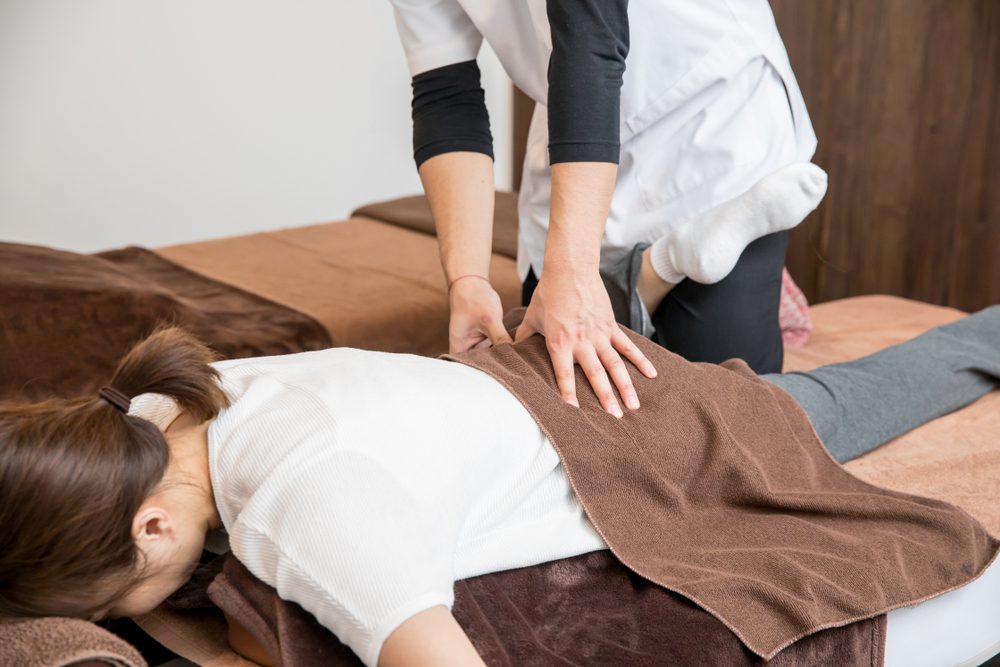
Prolotherapy
Prolotherapy is a regenerative injection treatment that stimulates collagen repair, restoring ligament and joint stability. It addresses the root cause of sore back and pelvis pain rather than masking symptoms.

Disclaimer: The information provided in this section is for educational purposes only and is not a substitute for professional medical advice, diagnosis, or treatment. Prolotherapy may not be suitable for everyone, and outcomes can vary. Always seek the guidance of a qualified healthcare professional regarding your specific medical condition or treatment options. Never disregard professional medical advice or delay seeking it because of information you have read here.
Prevention Strategies for Long-Term Relief
Maintaining core strength, correcting posture, using ergonomic seating, and avoiding repetitive strain are key to preventing recurrence.
Lifestyle Changes to Support Recovery
Weight management, regular low-impact exercise, adequate sleep, and stress reduction all contribute to healing and pain reduction.
Case Studies
Case 1: A patient with chronic sore back and pelvis pain due to sacroiliac instability experienced long-term relief following prolotherapy.
Case 2: Post-pregnancy pelvic pain resolved after targeted ligament prolotherapy combined with rehabilitation.
Summary
Sore back and pelvis pain can significantly impact daily life, but understanding its causes and exploring evidence-based treatments such as prolotherapy offers lasting relief.
Frequently Asked Questions
Is sore back and pelvis pain serious?
It can be, especially if caused by joint instability or nerve compression.
Can prolotherapy permanently fix sore back and pelvis pain?
Yes, by repairing damaged ligaments and restoring stability.
How long does recovery take?
Most patients notice improvement within weeks, with progressive healing over months.
Contact ProHealth Clinic Today for Your FREE 15-Minute Discovery Call
Don’t let sore back and pelvis control your life any longer. Join the thousands of patients who have found lasting relief through prolotherapy at ProHealth Clinic.
Get in Touch
Phone: +441234380345
Email: info@prohealthclinic.co.uk
Our Clinic Locations
London: 104 Harley Street, Marylebone, W1G 7JD
Manchester: The Hadley Clinic, 64 Bridge Street, M3 3BN
Bedford: The Village Medical Centre, Kingswood Way, MK40 4GH
All clinics offer the same award-winning prolotherapy treatment with convenient appointment times, including evenings and weekends.
Author Bio
Having performed over 10,000 procedures, Mr Oliver Eaton is one of the UK’s leading practitioners in the field of treating sore back and pelvis, with patients travelling from across the UK, Europe, and the Middle East.
With over 12 years of clinical experience, Oliver is dedicated to helping patients understand their symptoms and providing effective treatment options.
He qualified in Prolozone Therapy and Prolotherapy in America with the American Academy of Ozonotherapy and trained at the Royal Society of Medicine, Charing Cross Hospital, Keele University, and Heidelberg University.
Mr Eaton’s expertise has been featured in many national news and media publications, including The Telegraph, The Daily Mail, The Daily Express, Women’s Health Magazine, and The Scotsman.
LinkedIn profile: View Profile
References
- Hauser et al. Journal of Prolotherapy
- NICE Guidelines – Low Back Pain and Sciatica
- Mayo Clinic – Back and Pelvic Pain
- European Spine Journal – Sacroiliac Joint Dysfunction
Disclaimer: This article is for informational purposes only and does not substitute for professional medical advice. Always consult your healthcare provider before making treatment decisions.