Author: Mr Oliver Eaton BSc (Hons), PG.Cert – Orthopaedic Specialist
Reviewed by: Mr William Sharples BSc (Hons) – Pain Management Expert
Last Updated: September 2025
In this article, you will learn everything you need about stem cell injections and the most effective alternatives, including an advanced treatment called Prolotherapy.
Stem cell injections are an innovative regenerative medicine treatment for pain, especially in conditions like osteoarthritis, tendon injuries, and chronic joint pain. As interest in non-surgical pain relief grows, more patients in the UK are exploring stem cell therapy as an alternative to traditional treatments. This article, written by leading pain specialist Mr Oliver Eaton, provides evidence-based insights, real patient experiences, and expert recommendations to help you make informed decisions about stem cell injections for pain.
What Are Stem Cell Injections for Pain?

Stem cell injections involve using the body’s own stem cells—most commonly harvested from bone marrow or adipose (fat) tissue—to promote healing and regeneration in damaged tissues. These cells help restore body functions by leveraging the body’s inherent healing mechanisms. Once injected into the affected area, they can help reduce inflammation, repair tissue, and relieve pain [1]. Stem cell therapy is most often used for joint pain, osteoarthritis, tendon injuries, and some soft tissue conditions.
Types of Stem Cells Used in Pain Treatment
Stem cell therapy for pain management relies on several types of stem cells, each with unique properties that make them suitable for different conditions. The most commonly used are mesenchymal stem cells, which are prized for their ability to transform into various cell types, including cartilage, bone, and muscle cells. These mesenchymal stem cells are typically harvested from the patient’s own bone marrow, fat tissue, or even peripheral blood, making them ideal for autologous transplant procedures that minimize the risk of immune rejection.
Adult stem cells, particularly those derived from bone marrow, are frequently used in cell therapy to address joint pain, osteoarthritis, and cartilage defects. By using the patient’s own bone marrow or fat tissue, clinicians can offer non-surgical solutions that harness the body’s natural healing abilities. While embryonic stem cells have the potential to develop into any cell type, they are not used in pain treatment due to ethical considerations and a higher risk of immune system complications.
Overall, stem cell therapies have shown promise in treating a range of musculoskeletal conditions, helping patients reduce pain and improve function without the need for invasive surgery.
How Do Stem Cell Injections Work?
Stem cells have the unique ability to develop into different types of cells, such as cartilage, bone, or muscle. Stem cells can also develop into various types of blood cells, including red blood cells, which transport oxygen, and white blood cells, which play a crucial role in the body’s immune response, as well as platelets. When injected into an area of pain or injury, they release growth factors and cytokines that stimulate tissue repair, reduce inflammation, and support the body’s natural healing processes [2]. This regenerative approach aims to address the root cause of pain, rather than just masking symptoms.
Who Can Benefit from Stem Cell Injections?
- Osteoarthritis (knee, hip, shoulder, or other joints)
- Tendon injuries (e.g., rotator cuff, Achilles tendon)
- Chronic joint pain
- Sports injuries
- Soft tissue injuries
- Elbow pain
Stem cell injections are often used to treat musculoskeletal conditions as a conservative treatment option before considering surgery. They are typically recommended when other treatments, such as physiotherapy, medications, or steroid injections, have not provided sufficient relief.
What to Expect During the Procedure
The procedure usually involves harvesting stem cells from your own bone marrow or fat tissue under local anaesthetic. The cells are then processed and injected into the area of pain or injury, often using ultrasound or X-ray guidance for accuracy. The process takes about 1-2 hours, and most patients can return home the same day. Mild soreness or swelling at the injection site is common and usually resolves within a few days.
Preparing for Stem Cell Therapy: What You Need to Know
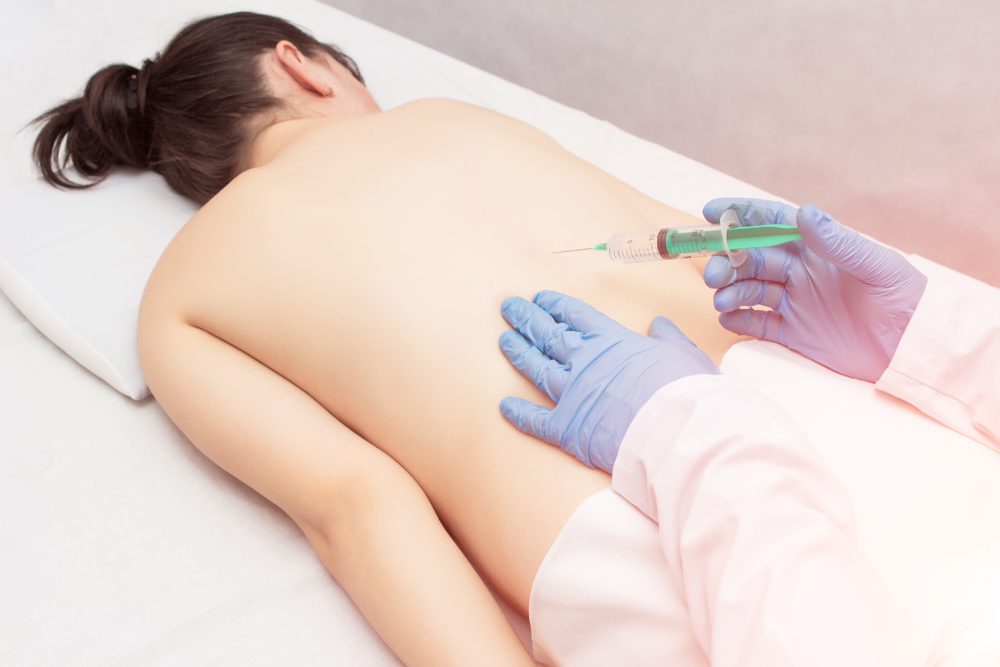
Proper preparation is key to achieving the best results from stem cell therapy. Before your procedure, your healthcare provider will guide you through several important steps. You’ll likely be asked to stop taking nonsteroidal anti-inflammatory drugs (NSAIDs) at least two weeks prior to your stem cell injections, as these medications can interfere with the healing process. It’s also essential to share your complete medical history, including any conditions like rheumatoid arthritis or immune system disorders, during your first consultation.
Your provider will assess your overall health and discuss the most suitable treatment plan for your needs. The procedure itself involves using a special needle to extract stem cells from your bone marrow or fat tissue, which are then processed and injected into the targeted area. Your clinician will explain the whole procedure, including potential risks and benefits, so you know exactly what to expect.
Finally, be sure to check with your health insurance provider about coverage for stem cell therapy, as not all policies include this treatment. Understanding the costs and preparing accordingly will help you make an informed decision about your care.
Benefits of Stem Cell Injections for Pain
- Regenerative healing: Stimulates tissue repair and regeneration.
- Reduces inflammation: Targets the underlying cause of pain.
- Minimally invasive: Avoids the risks of surgery.
- Long-lasting relief: Many patients experience sustained improvement in pain and function [3].
- Low risk of rejection: Uses your own cells, reducing the risk of immune reaction.
The latest developments in stem cell treatments are enabling more patients to fully recover from chronic pain and joint injuries, thanks to advanced techniques and ongoing research.
Potential Risks and Side Effects
- Pain or swelling: Temporary discomfort at the injection or harvest site.
- Infection: Rare but possible at the injection site.
- Bleeding or bruising: Especially at the harvest site.
- No guaranteed results: Not all patients experience significant pain relief.
- Cost: Stem cell therapy is not usually available on the NHS and can be expensive.
While stem cell injections are minimally invasive, more complex procedures such as bone marrow transplant and stem cell transplants are used to treat serious blood disorders and certain cancers. These advanced treatments require stem cell donation from healthy donors, involving specialized processes for collecting and transplanting healthy stem cells.
It is important to discuss your medical history and expectations with a qualified clinician before considering stem cell injections.
Case Study: Stem Cell Injections for Knee Osteoarthritis
Patient: Male, 58, with moderate knee osteoarthritis and chronic pain.
Treatment: Underwent a single stem cell injection after limited improvement with physiotherapy and steroid injections.
Outcome: Within two months, the patient reported significant reduction in pain and improved mobility. He was able to return to low-impact exercise and daily activities. No adverse effects were reported.
Treatments: Alternatives to Stem Cell Injections for Pain
If you are concerned about the risks or cost of stem cell injections, several evidence-based alternatives are available:
- Physical Therapy: Targeted exercises to restore strength and mobility.
- Platelet-Rich Plasma (PRP): Uses your own blood components to promote healing.
- Prolotherapy: See below for more details.
- Medications: Non-steroidal anti-inflammatory drugs (NSAIDs) and pain relievers.
- Lifestyle Modifications: Weight management, activity modification, and ergonomic adjustments.
Prolotherapy
In recent years, Prolotherapy has built its reputation within the medical community for its clinically proven ability to treat pain.
Published research has proven its pain-relieving, anti-inflammatory and regenerative benefits.
Prolotherapy involves injecting a natural regenerative solution with tiny needles. This has been shown to stimulate the production of collagen cells, the small cells needed to help with pain.
As prolotherapy is helping to treat the root cause of pain, it is deemed to be a permanent fix, preventing the symptoms from returning.

Disclaimer: The information provided in this section is for educational purposes only and is not a substitute for professional medical advice, diagnosis, or treatment. Prolotherapy may not be suitable for everyone, and outcomes can vary. Always seek the guidance of a qualified healthcare professional regarding your specific medical condition or treatment options. Never disregard professional medical advice or delay seeking it because of information you have read here.
Regenerative Medicine and PRP Injections
Regenerative medicine is transforming the way we treat degenerative conditions affecting joints and soft tissues. Stem cell therapy and platelet-rich plasma (PRP) injections are two leading regenerative treatments that offer patients non-surgical solutions for pain relief and tissue repair. PRP injections use a concentrated portion of your own blood, rich in growth factors, to stimulate healing and regeneration in damaged tissue.
These therapies are often used together to enhance the body’s natural repair mechanisms, especially in cases of knee osteoarthritis, rotator cuff tears, disc degeneration, and other cartilage defects. By reducing pain and promoting the regeneration of healthy tissue, stem cell injections and PRP therapy can help patients avoid surgery and return to their daily activities sooner. For those seeking alternatives to surgical intervention, regenerative medicine offers a promising path to improved mobility and a pain-free life.
Health Insurance and Cost of Stem Cell Injections in the UK
The cost of stem cell injections in the UK can vary widely, depending on the type of procedure, the clinic, and whether additional regenerative treatments are included. Prices can range from several thousand pounds per injection, and multiple treatments may be required. Since stem cell injections are not usually available on the NHS, they are considered a private treatment. Patients should confirm pricing with their chosen clinic and check whether their private insurance provider offers partial or full coverage.
Finding a Qualified Healthcare Provider for Stem Cell Therapy
When seeking stem cell treatment, it is crucial to choose a qualified and experienced healthcare provider. Look for clinics that specialize in regenerative medicine, employ board-certified clinicians, and use evidence-based techniques. Reading patient reviews, asking for outcome data, and verifying that the clinic follows proper safety protocols can help ensure you receive safe and effective care.
Expert Recommendations
Before considering stem cell injections, consult with a qualified pain specialist to discuss your symptoms, medical history, and all available treatment options. At ProHealth Clinic, we prioritize patient education and long-term outcomes, offering a range of regenerative therapies—including stem cell treatment and other stem cell treatments—tailored to your needs.
Frequently Asked Questions
Are stem cell injections safe for pain?
When performed by an experienced clinician, stem cell injections are generally safe. However, as with any procedure, there are risks of infection, bleeding, and no guaranteed results. Always consult a qualified specialist.
How long does pain relief from stem cell injections last?
Many patients experience pain relief for several months to years, but results vary. Some may require repeat treatments for sustained benefit.
Are stem cell injections available on the NHS?
Currently, stem cell injections for pain are not routinely available on the NHS and are considered a private treatment in the UK.
What are the alternatives to stem cell injections for pain?
Alternatives include physical therapy, prolotherapy, PRP, medications, and lifestyle changes. A specialist can help determine the best option for your condition.
Is prolotherapy effective for pain?
Research and clinical experience suggest that prolotherapy can be effective for many types of pain, especially when other treatments have failed. It works by stimulating the body’s natural healing processes.
Contact ProHealth Clinic Today for Your FREE 15-Minute Discovery Call
Don’t let pain control your life any longer. Join the thousands of patients who have found lasting relief through prolotherapy at ProHealth Clinic.
Get in Touch
Phone: +441234380345
Email: info@prohealthclinic.co.uk
Our Clinic Locations
London: 104 Harley Street, Marylebone, W1G 7JD
Manchester: The Hadley Clinic, 64 Bridge Street, M3 3BN
Bedford: The Village Medical Centre, Kingswood Way, MK40 4GH
Author Bio
Having performed over 10,000 procedures, Mr Oliver Eaton is one of the UK’s leading practitioners in the field of treating pain, with patients travelling to see him from across the UK, Europe, and the Middle East.
With over 12 years of clinical experience, Oliver is dedicated to helping patients understand their symptoms associated with pain and providing effective treatment options to alleviate them. He qualified in Prolozone Therapy and Prolotherapy in America with the American Academy of Ozonotherapy.
He continued on to complete further qualifications at the Royal Society of Medicine, Charing Cross Hospital in London, Keele University’s Anatomy & Surgical Training Centre, and the medical department of Heidelberg University in Germany. Over the years he has had the privilege of treating many elite-level athletes, including both Olympic and Commonwealth medallists.
Mr Eaton’s expertise has been featured in many national news and media publications, including The Telegraph, The Daily Mail, The Daily Express, Women’s Health Magazine, and The Scotsman.
References
- Centeno CJ, et al. “Current evidence for the use of autologous stem cells in the treatment of musculoskeletal pain.” Pain Med. 2016;17(4):780-789. Pain Med.
- Mautner K, et al. “Stem cell injections for musculoskeletal pain: a review.” PM&R. 2015;7(4 Suppl):S98-S104. PM&R.
- Shapiro SA, et al. “A prospective, single-blind, placebo-controlled trial of bone marrow aspirate concentrate for knee osteoarthritis.” Am J Sports Med. 2017;45(1):82-90. Am J Sports Med.
- NHS. “Stem cell and platelet-rich plasma (PRP) injections.” NHS.
Disclaimer: This article is for informational purposes only and does not substitute for professional medical advice. Always consult your healthcare provider before making treatment decisions.