What is Knee Weakness?
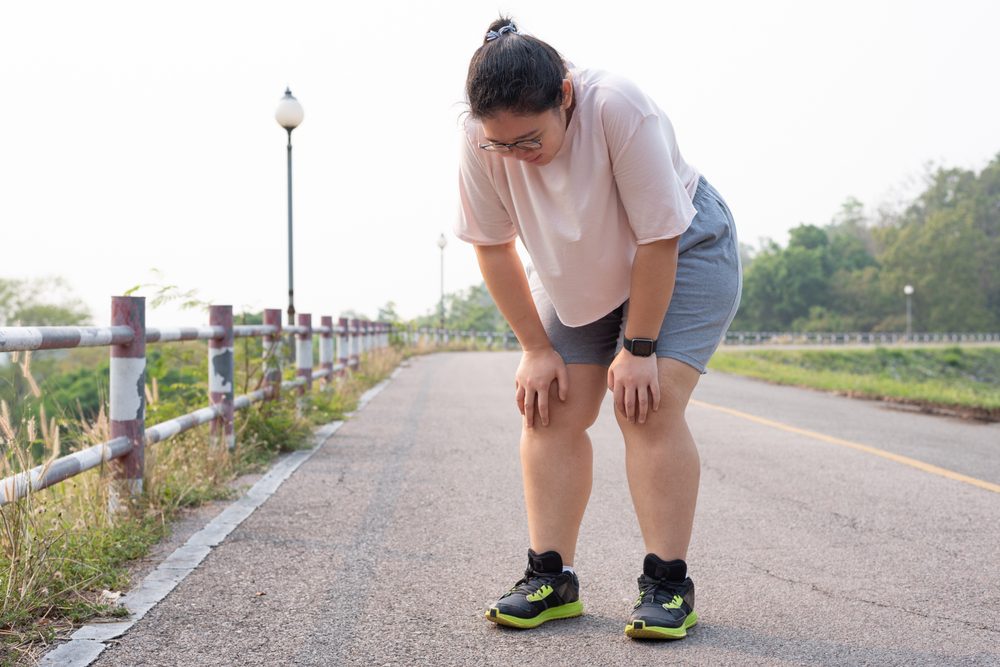
Knee weakness refers to a lack of strength or stability in the knee joint, which can lead to difficulty in performing everyday activities. It can be caused by various factors, including injury, overuse, or underlying medical conditions.
Common Causes of Knee Weakness
Several factors can contribute to knee weakness, including:
- Injury: Damage to the ligaments, tendons, or cartilage can weaken the knee.
- Arthritis: Conditions like osteoarthritis or rheumatoid arthritis can lead to joint degeneration.
- Muscle Imbalance: Weakness in the surrounding muscles can affect knee stability.
- Overuse: Repetitive stress from activities like running can strain the knee.
Diagnosing Knee Weakness
Diagnosing knee weakness involves a comprehensive evaluation by a healthcare professional. This typically includes a physical examination, medical history review, and imaging tests such as X-rays or MRIs to identify the underlying cause.
Treatments for Knee Weakness
Treatment options for knee weakness aim to restore strength and function:
- Physical Therapy: Exercises to strengthen the knee and surrounding muscles.
- Medications: Anti-inflammatory drugs to reduce pain and swelling.
- Bracing: Supports to stabilize the knee during activities.
Prolotherapy
In recent years, Prolotherapy has built its reputation within the medical community for its clinically proven ability to treat knee weakness.
Published research has proven its pain-relieving, anti-inflammatory, and regenerative benefits.
Prolotherapy involves injecting a natural regenerative solution with tiny needles. This has been shown to stimulate the production of collagen cells, the small cells needed to help with knee weakness.
As prolotherapy is helping to treat the root cause of knee weakness, it is deemed to be a permanent fix, preventing the symptoms from returning.

Disclaimer: The information provided in this section is for educational purposes only and is not a substitute for professional medical advice, diagnosis, or treatment. Prolotherapy may not be suitable for everyone, and outcomes can vary. Always seek the guidance of a qualified healthcare professional regarding your specific medical condition or treatment options. Never disregard professional medical advice or delay seeking it because of information you have read here.
Case Studies
Numerous case studies have highlighted the effectiveness of various treatments for knee weakness. For example, a study published in the Journal of Orthopaedic Research demonstrated significant improvements in knee strength following a structured physical therapy program.
FAQs
What exercises can help strengthen weak knees?
Exercises such as leg lifts, hamstring curls, and step-ups can help strengthen the muscles around the knee. It’s important to consult a physical therapist for a personalized exercise plan.
Can knee weakness be a sign of a serious condition?
While knee weakness can result from minor issues, it can also indicate more serious conditions like ligament tears or arthritis. A healthcare professional should evaluate persistent weakness.
Contact ProHealth Clinic Today for Your FREE 15-Minute Discovery Call
Don’t let knee weakness control your life any longer. Join the thousands of patients who have found lasting relief through prolotherapy at ProHealth Clinic.
Get in Touch
Phone: +441234380345
Email: info@prohealthclinic.co.uk
Our Clinic Locations
London: 104 Harley Street, Marylebone, W1G 7JD
Manchester: The Hadley Clinic, 64 Bridge Street, M3 3BN
Bedford: The Village Medical Centre, Kingswood Way, MK40 4GH
All clinics offer the same award-winning prolotherapy treatment with convenient appointment times, including evenings and weekends.